 AstroLab
ASTRONOMY, AT YOUR FINGERTIPS
Explore the sky.
Understand what you see.
A 3D solar system, a planetarium and hands-on experiments to understand astronomy. Explore freely on your phone, tablet or computer.
Free · No account · No advertising
Phone, tablet and desktop.
Documented astronomical data.
If you enjoy the journey, support Médecins Sans Frontières.
FEATURED · THE ASTROLAB FILM
AstroLab — The Universe at your fingertips
From the sky to galaxies, an invitation to observe, travel, experiment and create.
An interactive film to watch here. Pause, chapters and subtitles in the player.
Rhythms in the sky
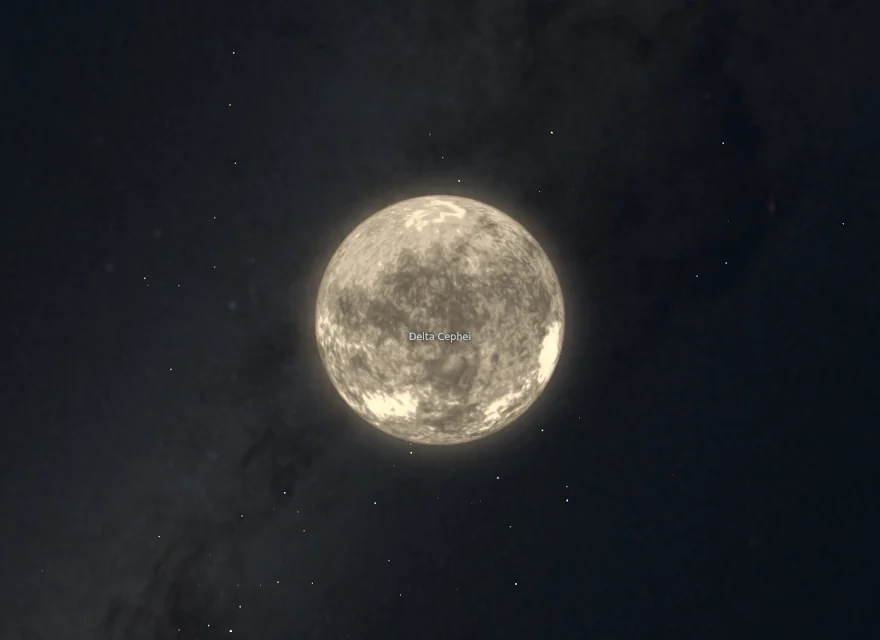
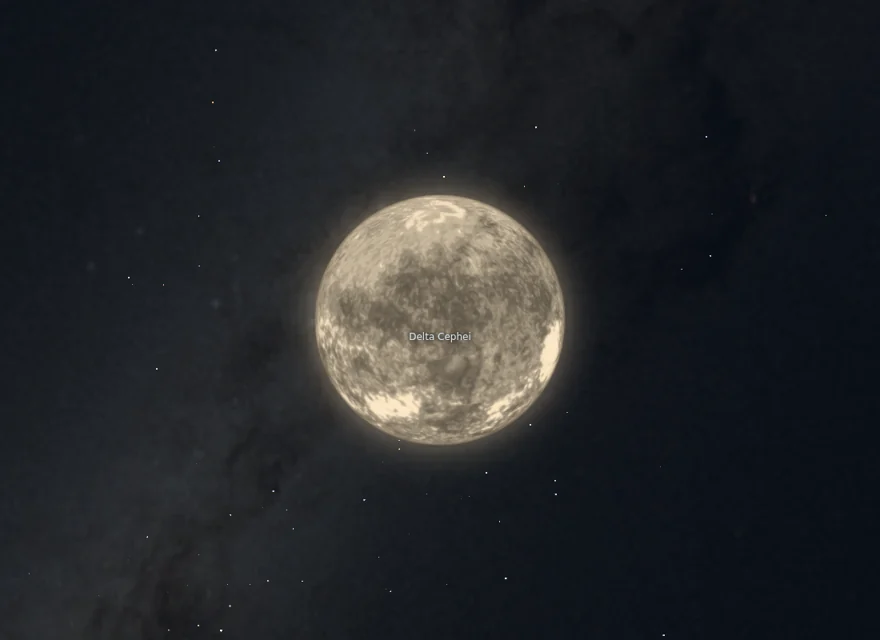
The pulse of stars
Three Cepheids, three periods: watch observations become light.
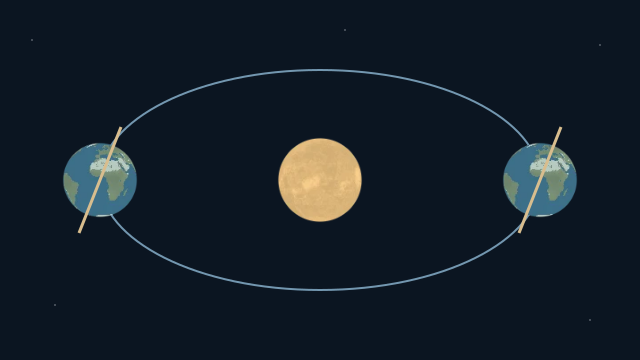
Two hemispheres, two seasons
Change Earth’s tilt.
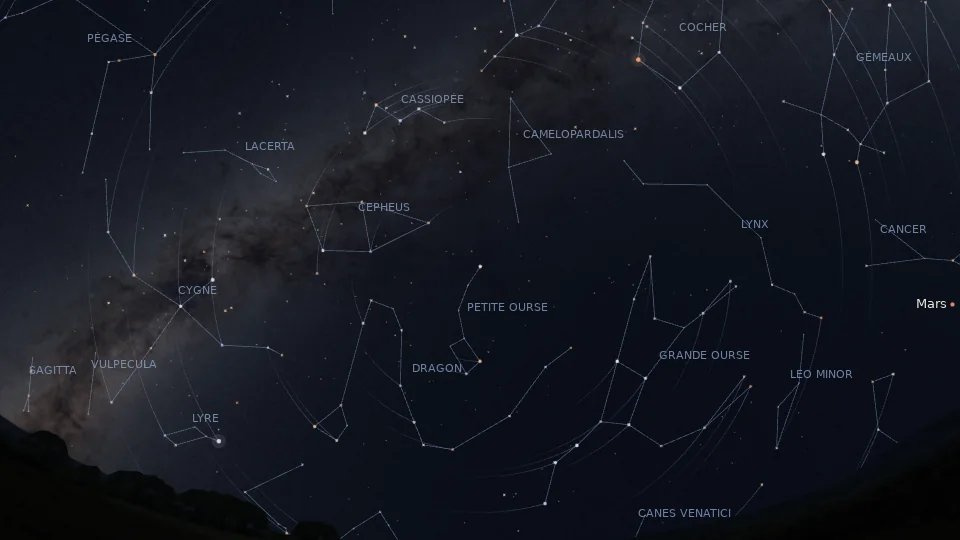
Circling the north
The sky turns; Polaris stays almost still.
The adventure of space probes
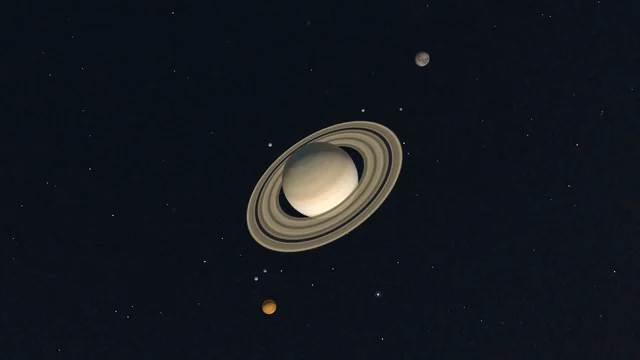
Voyager: the grand tour of the giants
How a small probe reached four giant planets with help from their gravity, then continued towards interstellar space.
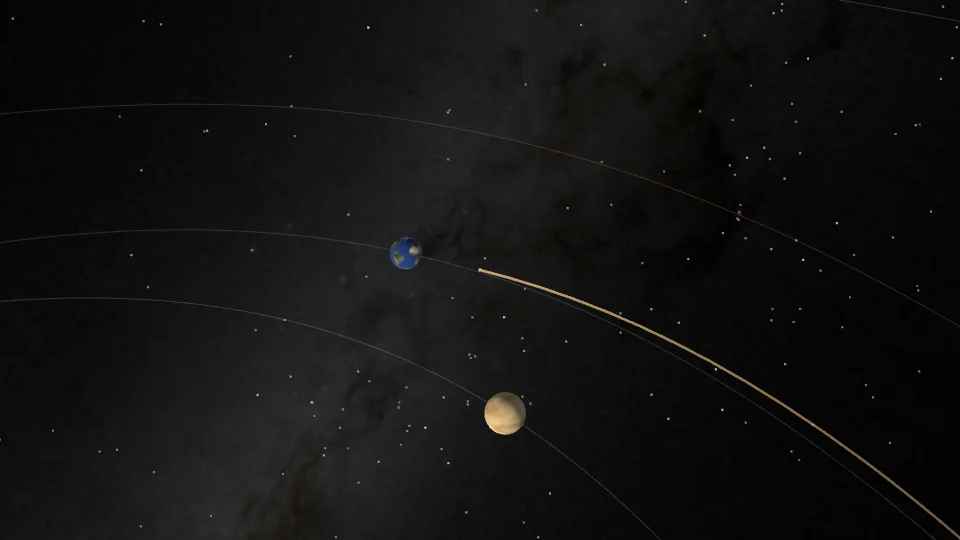
Cassini–Huygens · the road to Saturn
Venus, Earth, Jupiter: stepping stones to Saturn
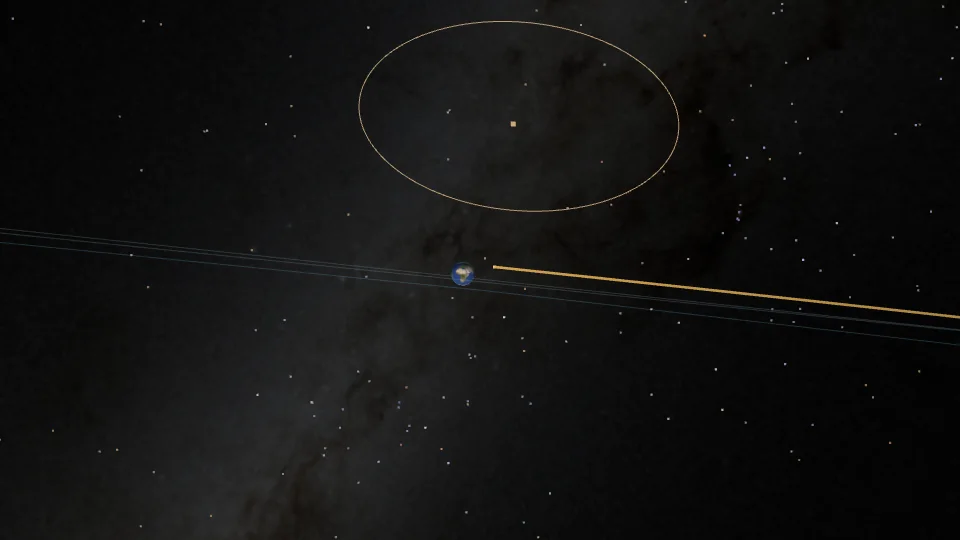
James Webb · the journey to L2
An observatory 1.5 million kilometres away
YOUR TURN TO EXPLORE
Two suns. A turning sky.
Start a scene, change your perspective and watch time move forward. One view plays at a time.
Kepler-16 · Two suns, one planet
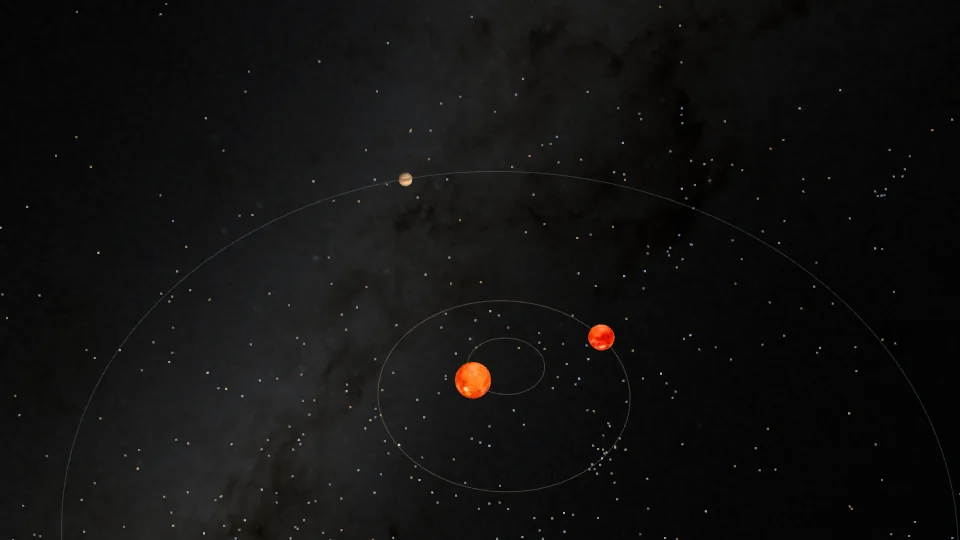
The planetarium · Constellations in motion
CHOOSE YOUR NEXT STOP
Discoveries to experience.
A journey, a sky, a question. Browse the collections and let your curiosity choose what comes next.
Follow the spacecraft
Travel with Cassini to Saturn or with Voyager from planet to planet. Follow the route, approach flybys and choose your stops.
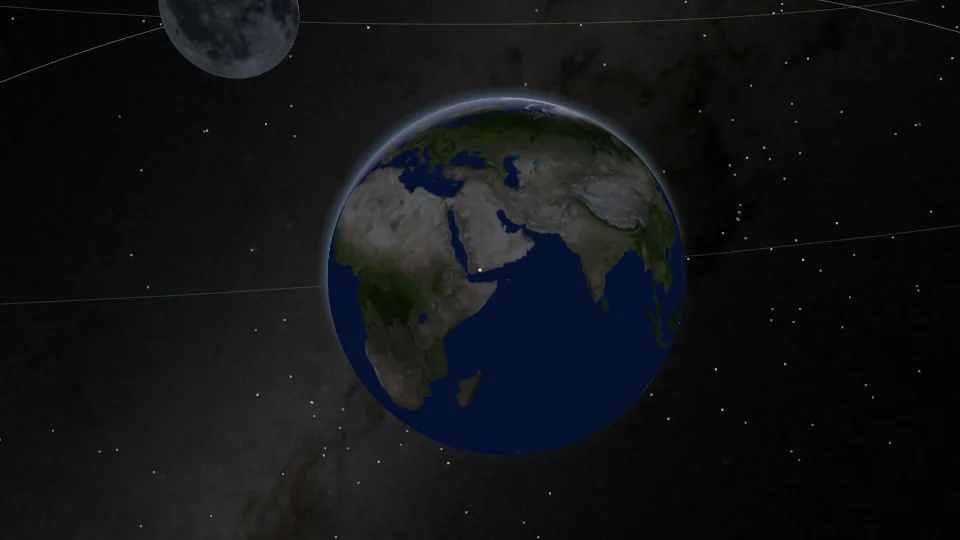
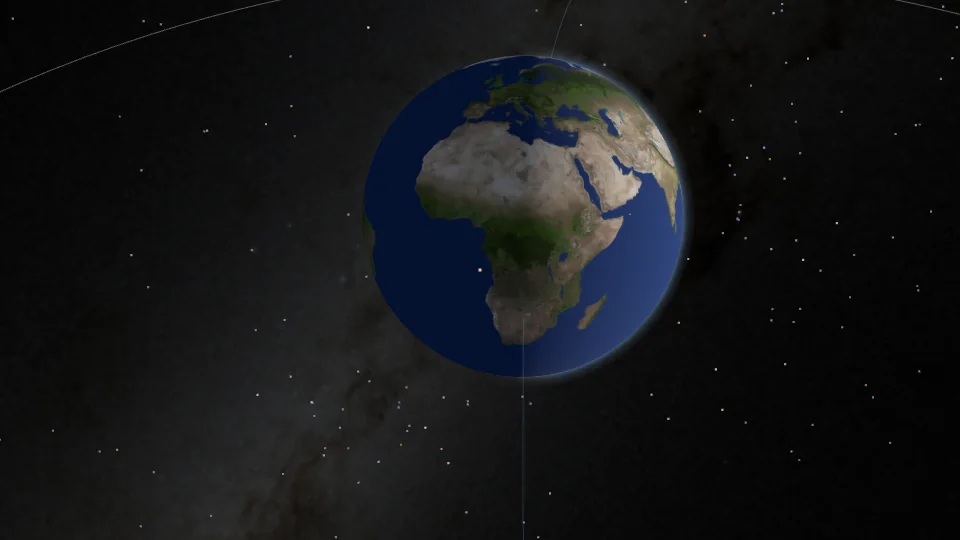
Films to explore and understand
Documentaries to find your bearings, understand phenomena and challenge misconceptions. Pause and explore freely.
The pulse of stars
Three Cepheids, three periods: watch observations become light.
Voyager: the grand tour of the giants
How a small probe reached four giant planets with help from their gravity, then continued towards interstellar space.
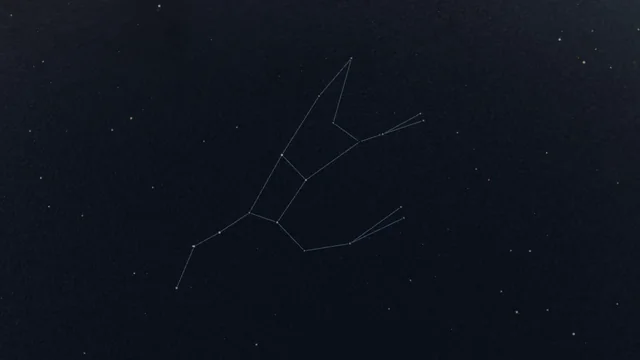
One sky, many stories
The same stars inspire different figures: Greek, Chinese, Mexica and Tupi-Guarani traditions.
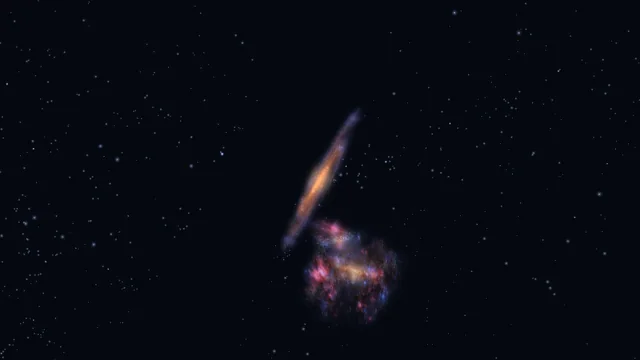
From Earth to galaxies
Our planet becomes a point among stars, then among galaxies. A journey through nested scales, ending with the oldest light.
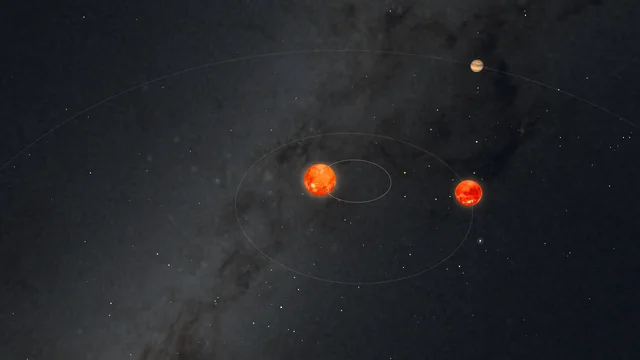
Other ways to make a planetary system
Two stars or seven tightly packed planets: our Solar System is not the only possible arrangement.
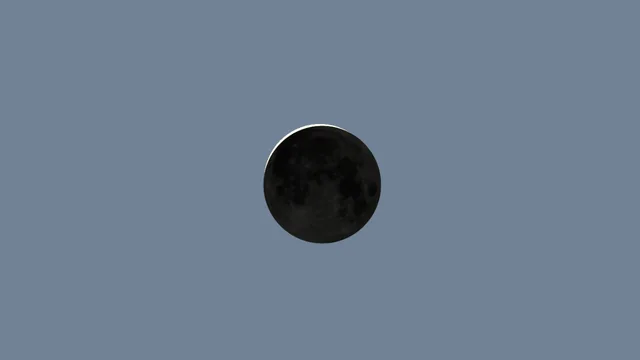
Appearances can deceive
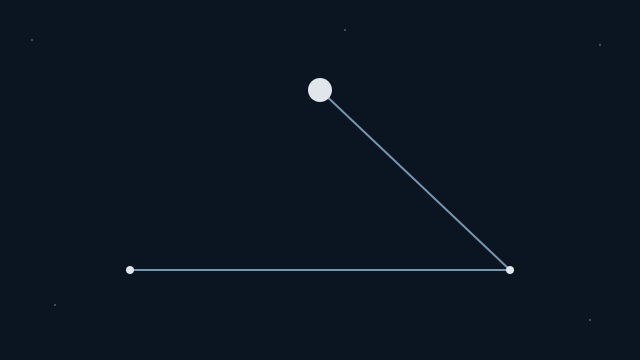
Discover why a small body can hide the Sun, why Mars seems to move backwards and how we measure the depth of the stars.
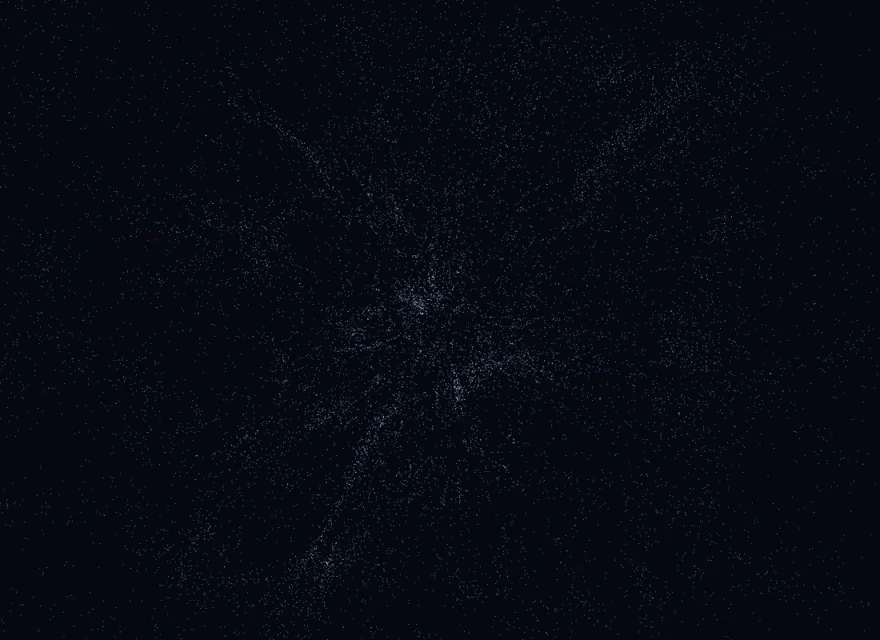
Expansion is not an explosion
From the young Universe to 25 billion years: see distances grow without confusing expansion with camera motion.
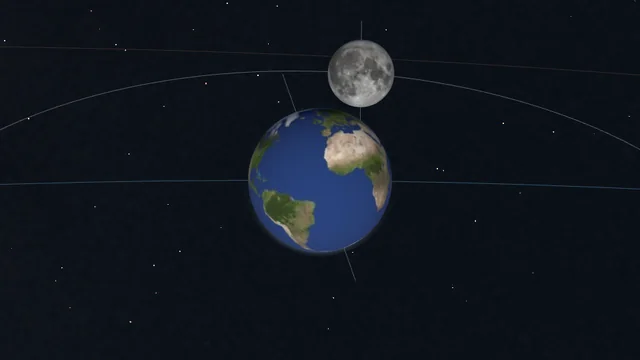
Earth from elsewhere
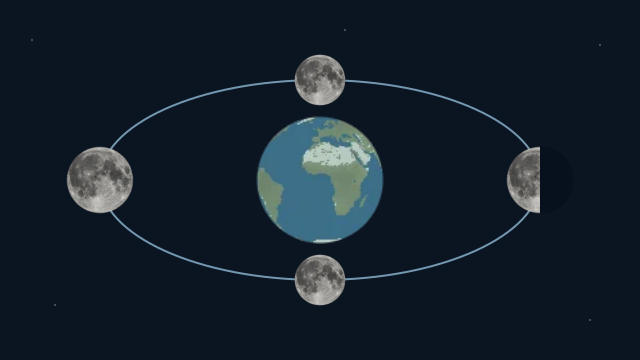
Understand day and night, seasons and lunar phases through the motions of Earth and its Moon.
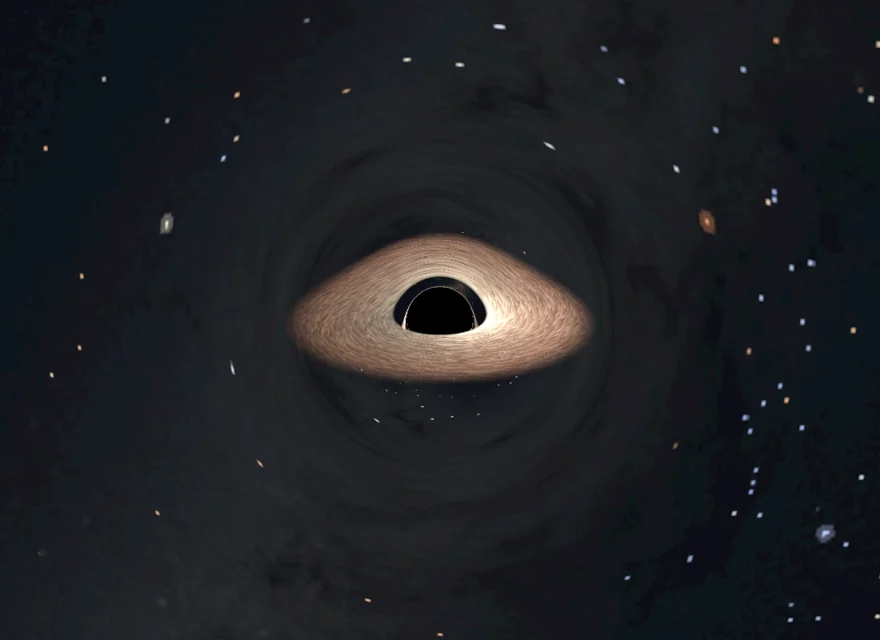
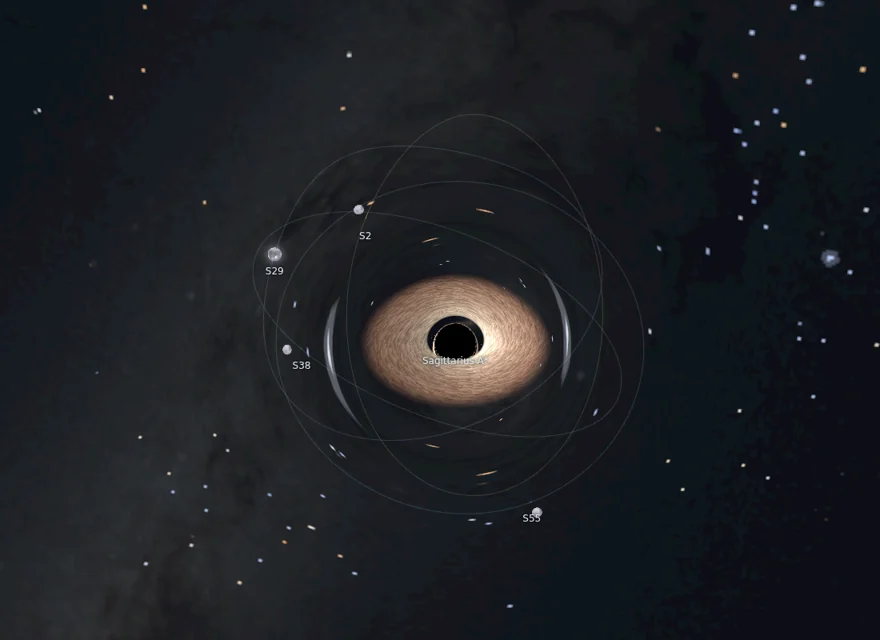
Stars reveal black holes
Follow measured orbits to discover two invisible companions.
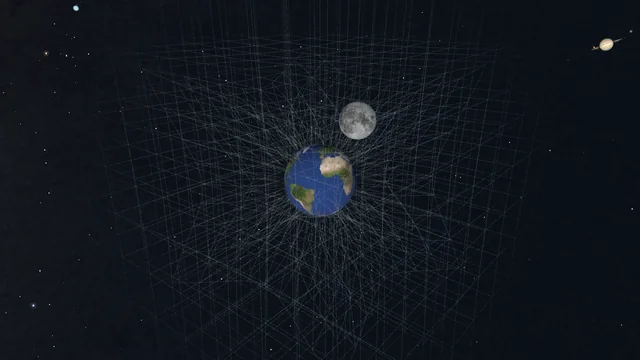
Gravity, architect and engine
Why do satellites not fall to the ground? From orbits to gravity assists and Webb, one attraction explains very different motions.
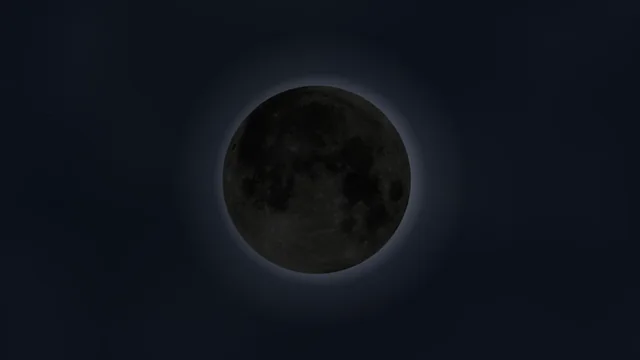
When worlds align
Distinguish conjunctions, lunar phases and eclipses, then understand the Moon’s passage across the Sun in Dallas.
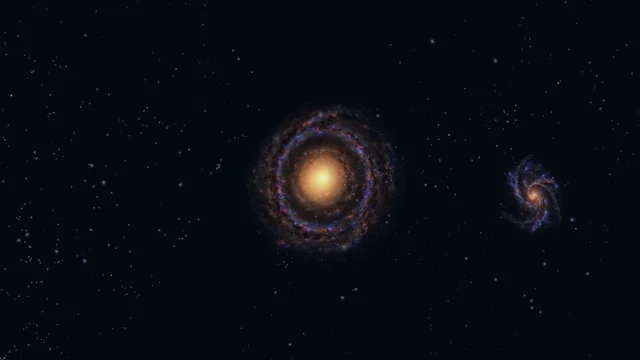
Galaxies in depth
Disks, bulges and arms: changing viewpoint reveals galactic structure beyond the silhouette.
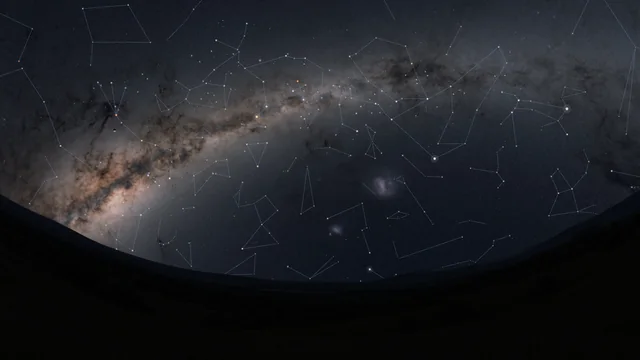
Change latitude, change sky
Why does Polaris disappear as we travel south? Latitude explains visible stars, their motion and days without sunset.
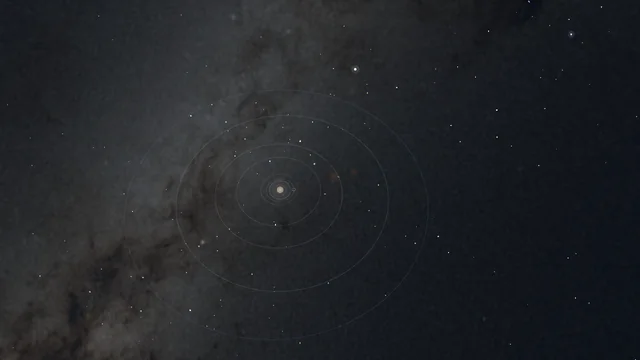
From Earth’s neighbourhood to the solar system’s outskirts
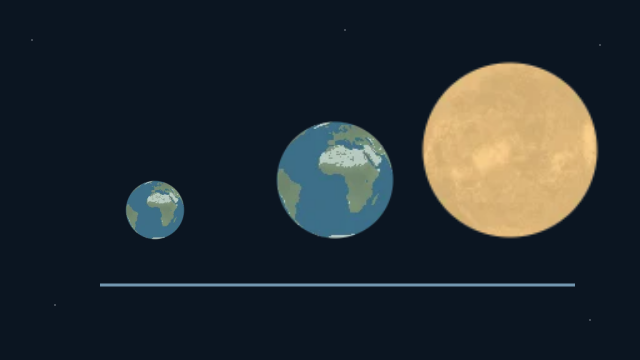
Connect the sizes of worlds, the distances between them and the times needed for orbits or light signals.
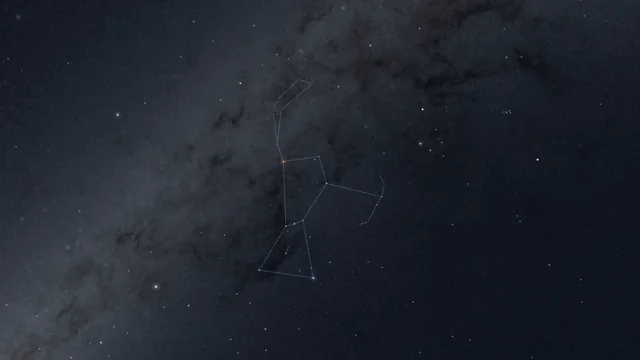
One night, a thousand motions
Recognise lights in the sky and understand why they change between sunset and dawn.
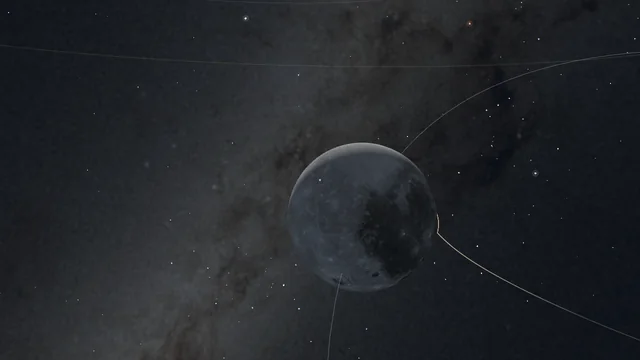
Three missions, three ways to explore
Apollo returns from the Moon, Voyager continues outward and Webb observes near L2: three scientific goals, three ways to use gravity.
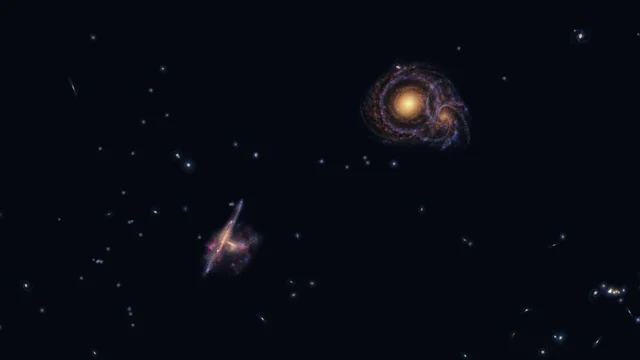
From neighbours to a galaxy map
From Milky Way neighbours to a distant survey: understand what positions reveal and what they do not prove.
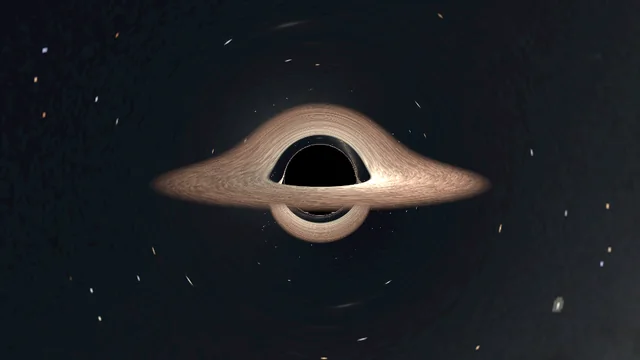
Why does light bend around a black hole?
Gravity bends light from the disk and background. An illustrative model lets us change the angle to understand it.
A place, a date, a sky
Rediscover your sky, visit another world or explore an eclipse.
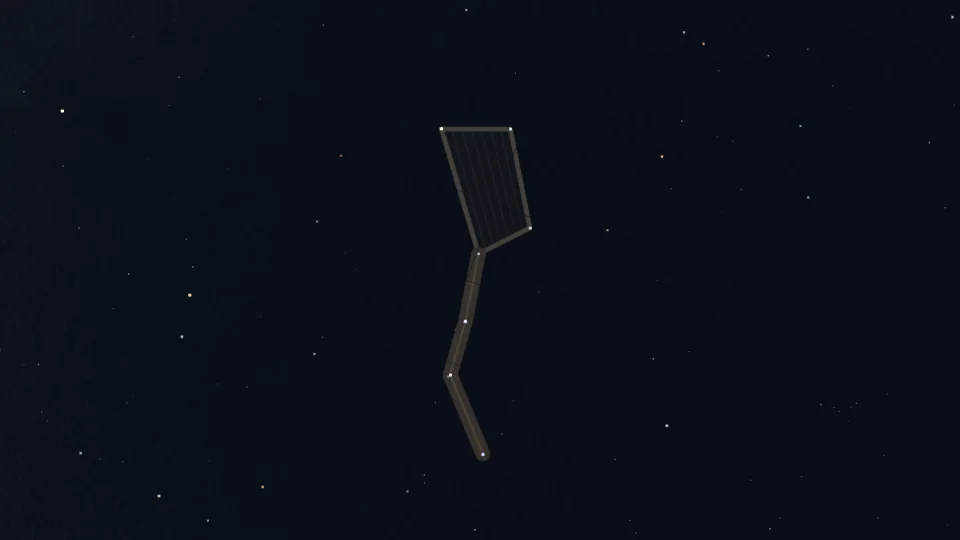
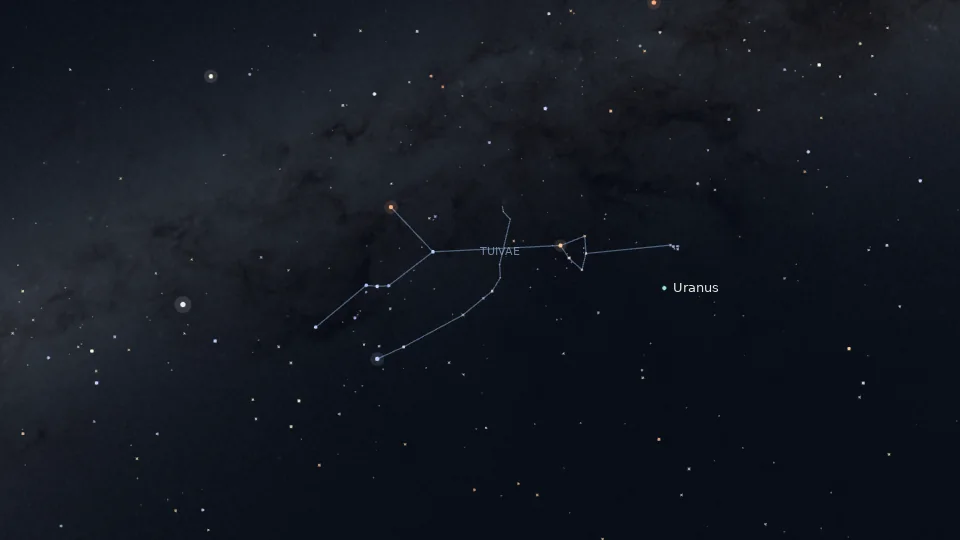
Planets and moons
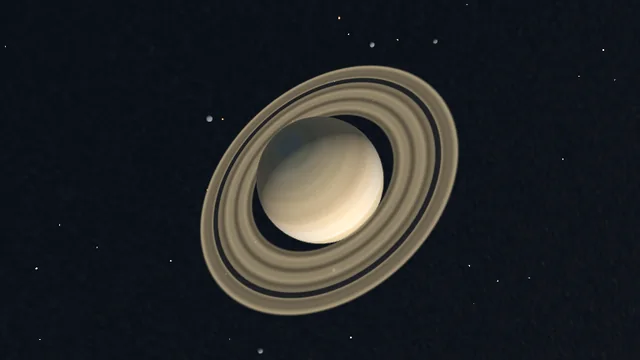
Explore our neighbours’ rings, surfaces and orbits.
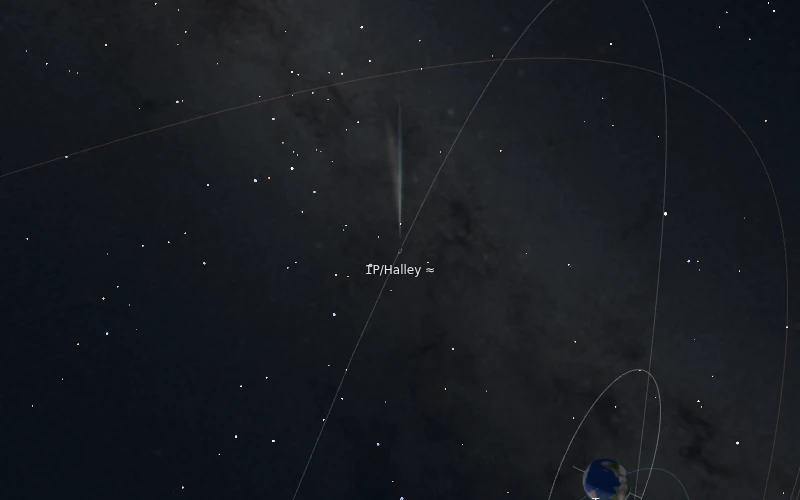
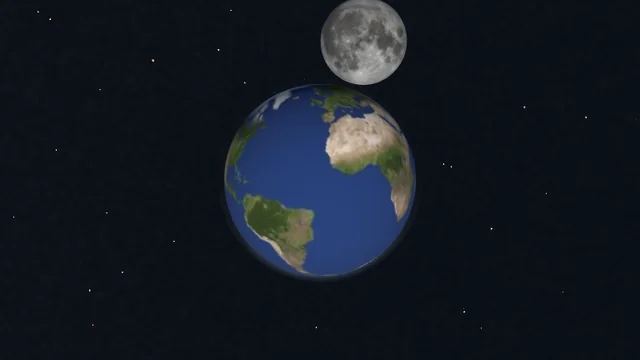
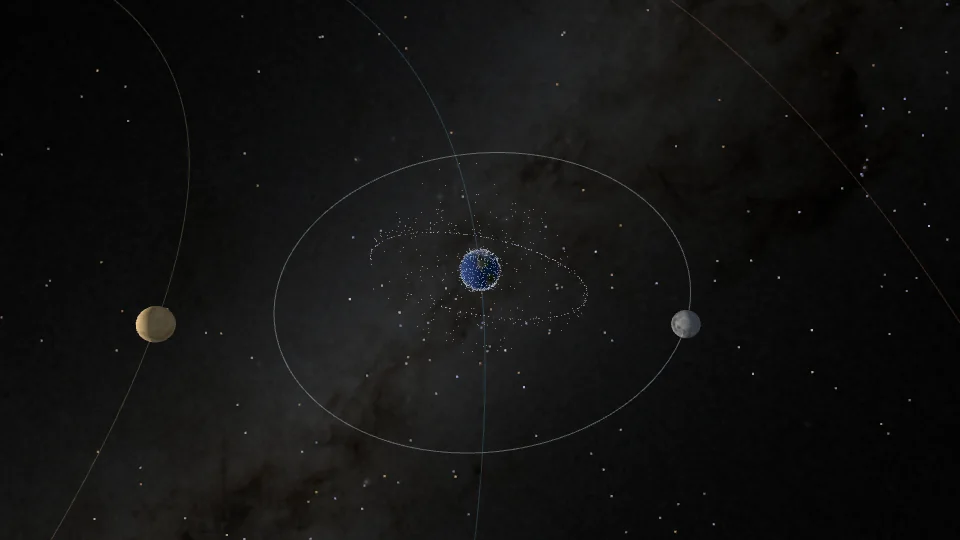
Stars, galaxies and invisible companions
A pulsating star, worlds around other suns, a galaxy with depth: explore beyond the Solar System.
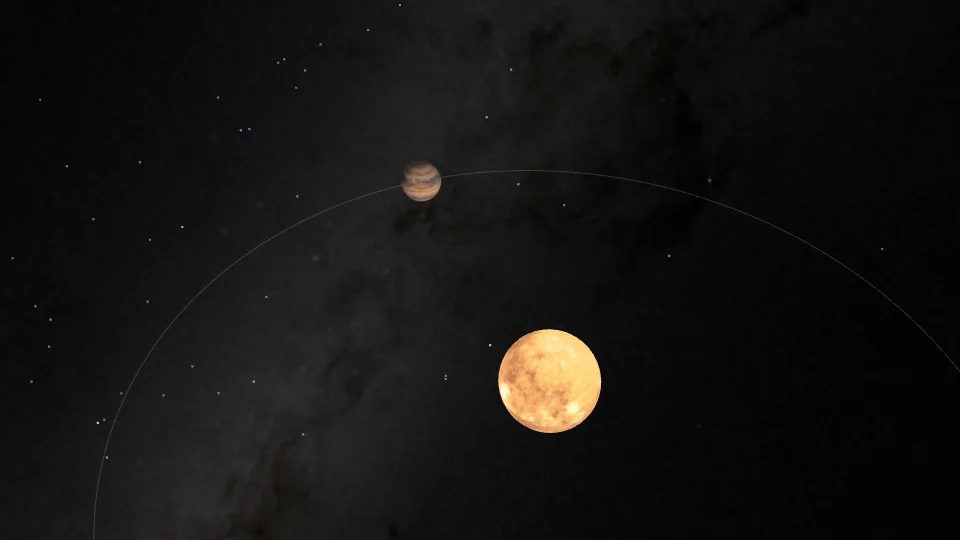
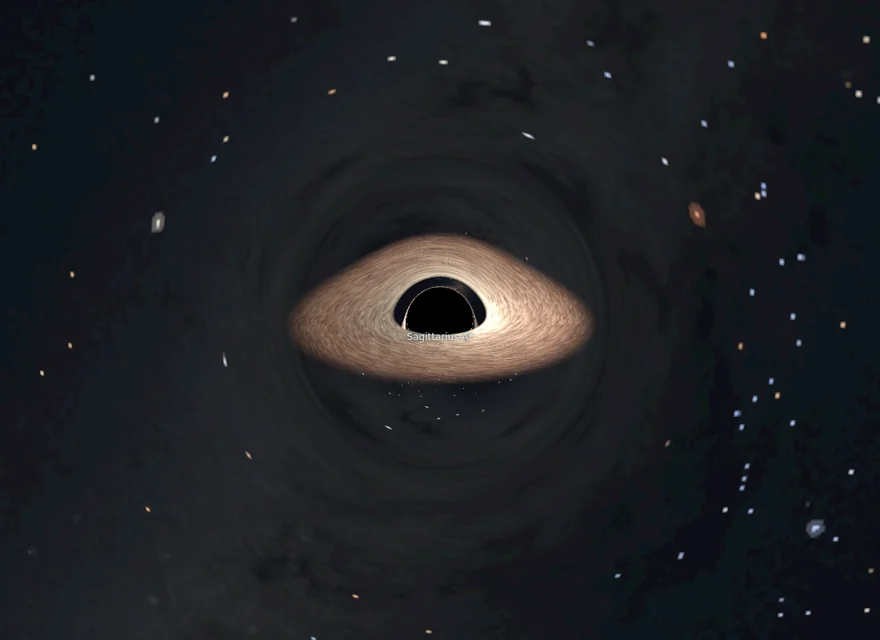
Understand what you see
Phases, seasons, gravity: explore the ideas by interacting with the scene.
WHY ASTROLAB?
The sky belongs
to everyone.
Share the wonder. Make knowledge accessible. Explore using real data, explain the models and acknowledge their limits. Keep curiosity free, in English and French. And, for those who wish, turn this attention to the sky into a gesture of solidarity on Earth.
Continue the journey with a donation to MSFOptional donation through the official Médecins Sans Frontières fundraiser. No payment in AstroLab.
Before you go
Is it really free?
Exploration and built-in films are free, without an account or advertising. Custom generation uses your AI provider, which may charge for requests. Donating to MSF is optional.
Which devices can I use?
Open the web version on a phone, tablet or desktop, in a WebGL-compatible browser. Controls work with touch and mouse.
Can I explore offline?
The web app remains usable after the content you want has loaded. Open that content before going offline; browsers can sometimes clear their cache.
What about the App Store?
The iOS version is being tested; public availability has not been announced. Meanwhile, the web version is available now.
Your feedback helps AstroLab grow
Suggest an improvement · Report a problem
Interested in using AstroLab professionally? Contact me.
NO NEED TO WAIT FOR NIGHTFALL
Your next stop
is up there.
Open AstroLab Free. No sign-up. Just curiosity.