 AstroLab
Interactive documentaries
Black holes, night skies, journeys and phenomena: FR/EN subtitled stories played by the AstroLab engine.
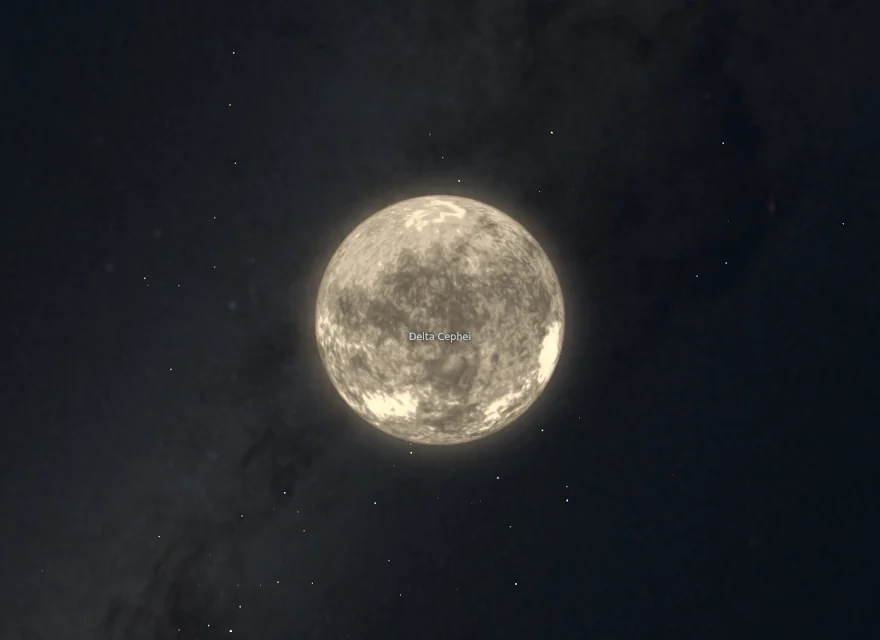
The pulse of stars
Three Cepheids, three periods: watch observations become light.
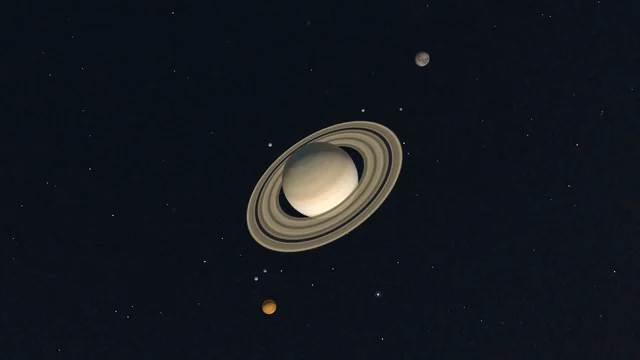
Voyager: the grand tour of the giants
How a small probe reached four giant planets with help from their gravity, then continued towards interstellar space.
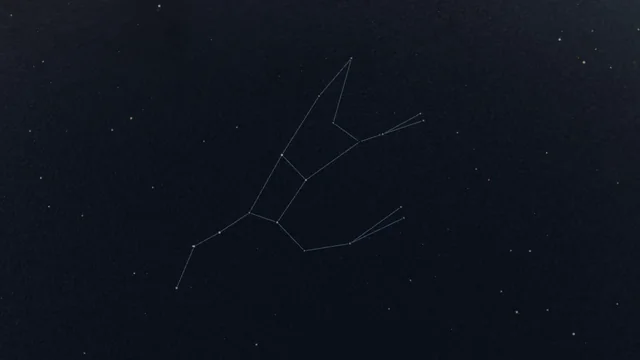
One sky, many stories
The same stars inspire different figures: Greek, Chinese, Mexica and Tupi-Guarani traditions.
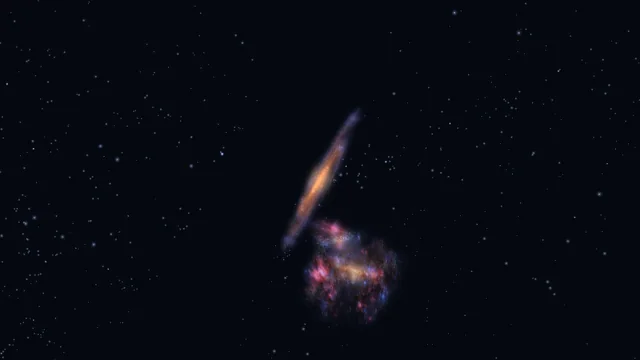
From Earth to galaxies
Our planet becomes a point among stars, then among galaxies. A journey through nested scales, ending with the oldest light.
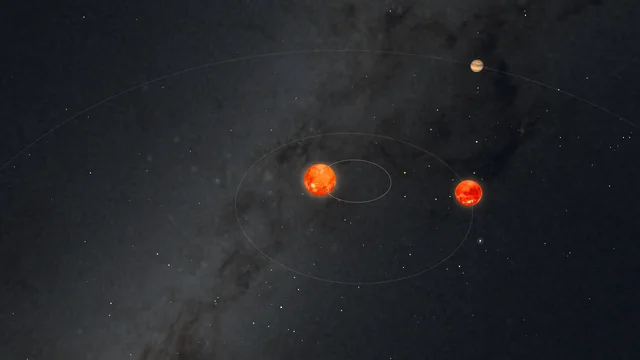
Other ways to make a planetary system
Two stars or seven tightly packed planets: our Solar System is not the only possible arrangement.
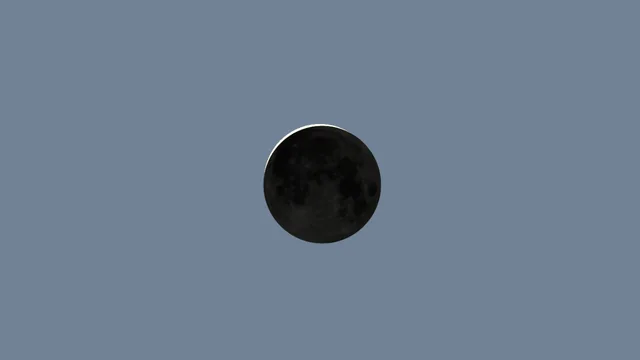
Appearances can deceive
Discover why a small body can hide the Sun, why Mars seems to move backwards and how we measure the depth of the stars.
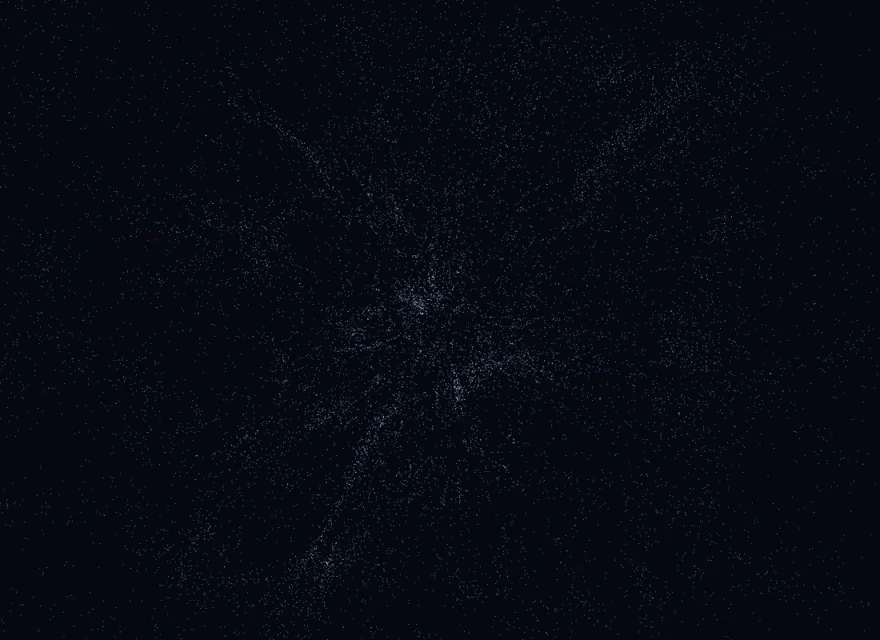
Expansion is not an explosion
From the young Universe to 25 billion years: see distances grow without confusing expansion with camera motion.
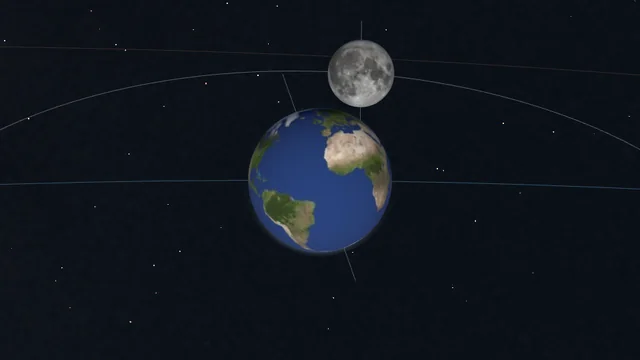
Earth from elsewhere
Understand day and night, seasons and lunar phases through the motions of Earth and its Moon.
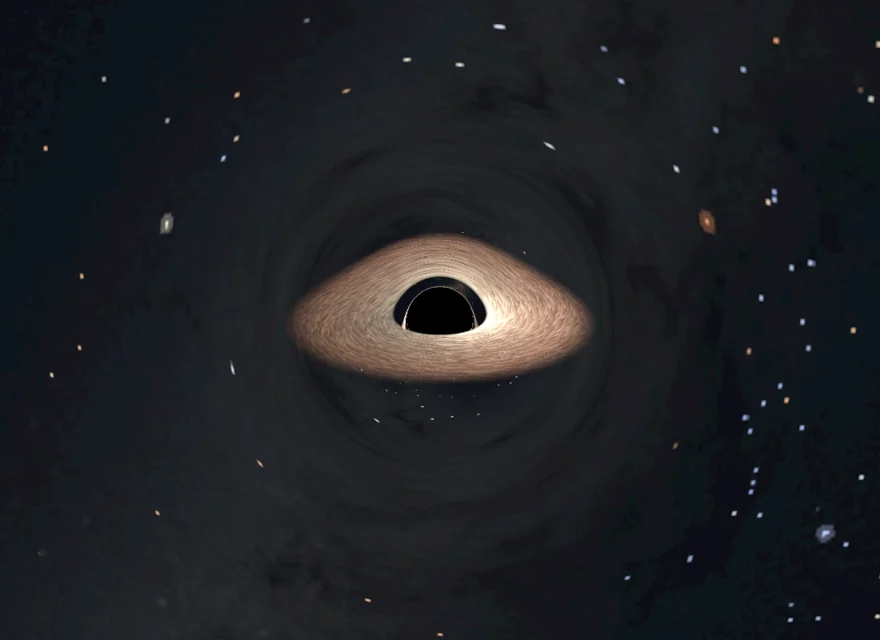
Stars reveal black holes
Follow measured orbits to discover two invisible companions.
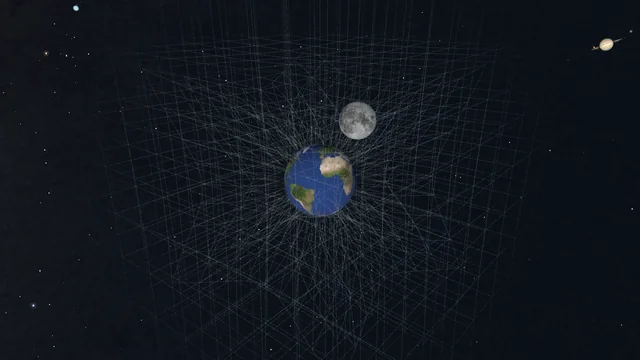
Gravity, architect and engine
Why do satellites not fall to the ground? From orbits to gravity assists and Webb, one attraction explains very different motions.
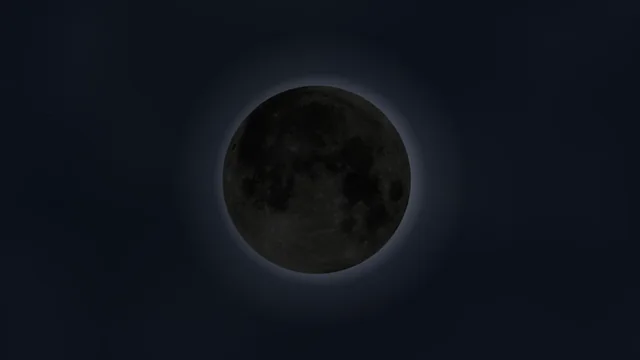
When worlds align
Distinguish conjunctions, lunar phases and eclipses, then understand the Moon’s passage across the Sun in Dallas.
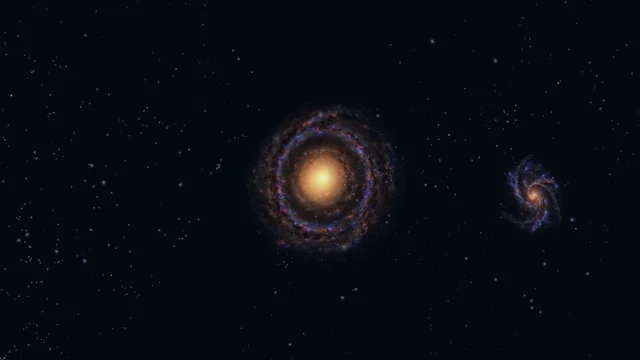
Galaxies in depth
Disks, bulges and arms: changing viewpoint reveals galactic structure beyond the silhouette.
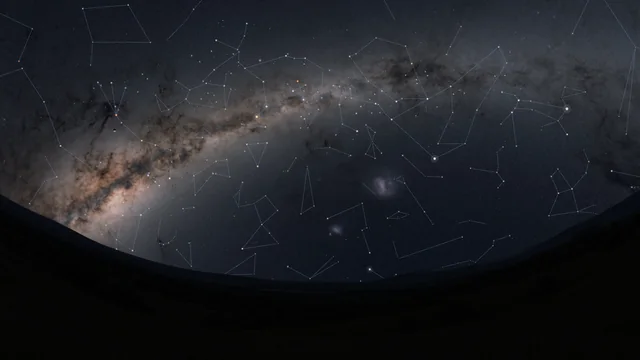
Change latitude, change sky
Why does Polaris disappear as we travel south? Latitude explains visible stars, their motion and days without sunset.
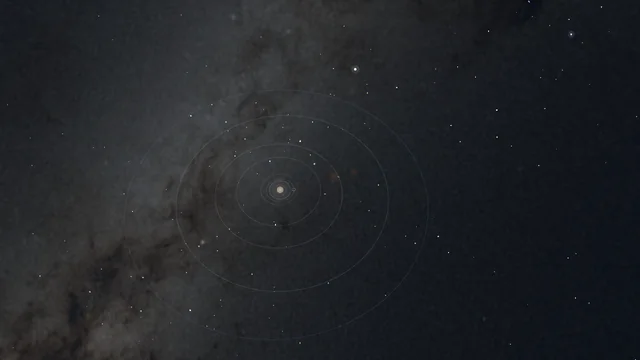
From Earth’s neighbourhood to the solar system’s outskirts
Connect the sizes of worlds, the distances between them and the times needed for orbits or light signals.
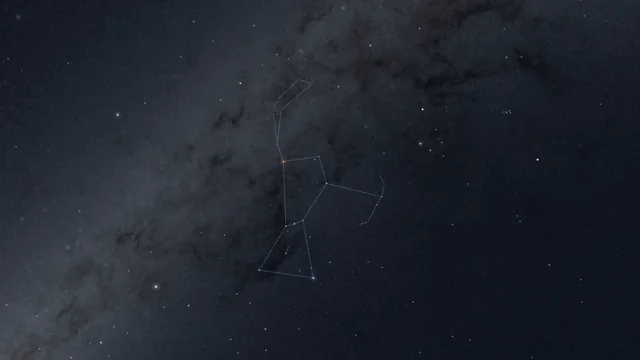
One night, a thousand motions
Recognise lights in the sky and understand why they change between sunset and dawn.
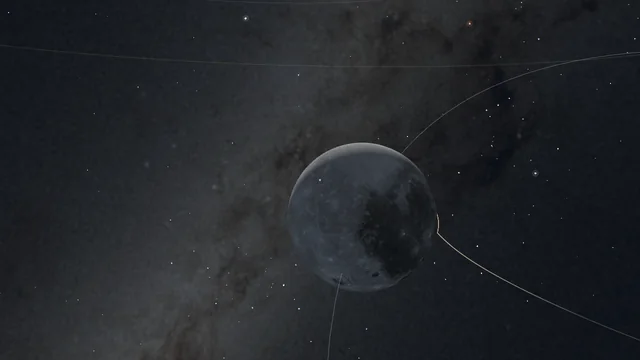
Three missions, three ways to explore
Apollo returns from the Moon, Voyager continues outward and Webb observes near L2: three scientific goals, three ways to use gravity.
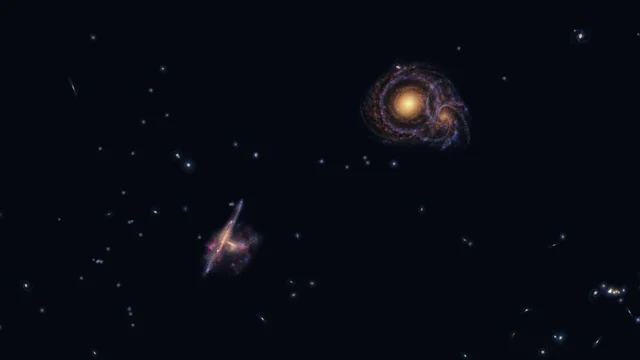
From neighbours to a galaxy map
From Milky Way neighbours to a distant survey: understand what positions reveal and what they do not prove.
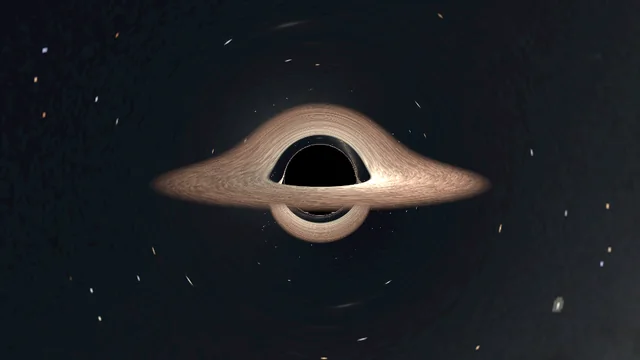
Why does light bend around a black hole?
Gravity bends light from the disk and background. An illustrative model lets us change the angle to understand it.