 AstroLab
The curiosity journal
Explore at your own pace: each collection opens new paths, from familiar skies to galaxies.
Choose a collection
Three doors to the Universe
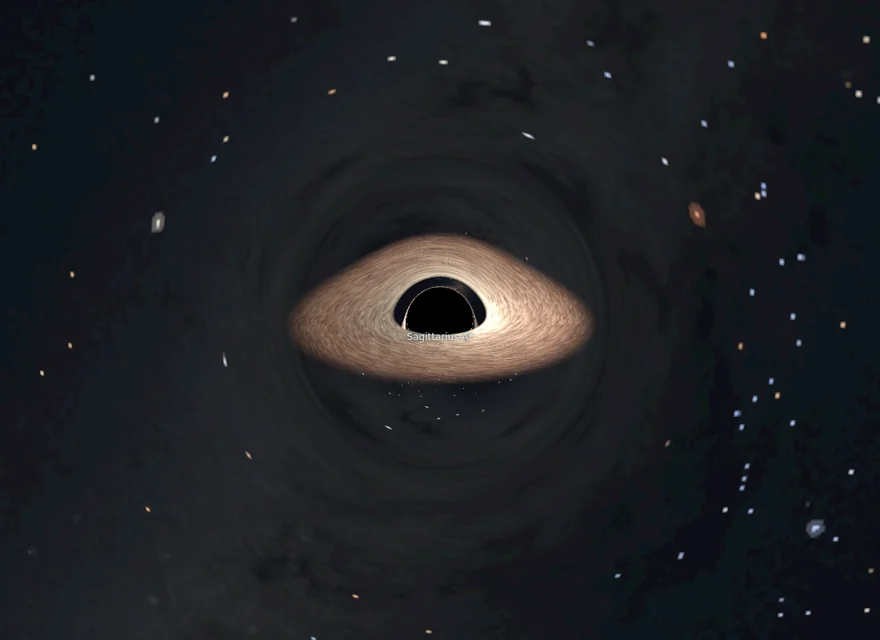
AstroLab — The Universe at your fingertips
From the sky to galaxies, an invitation to observe, travel, experiment and create.
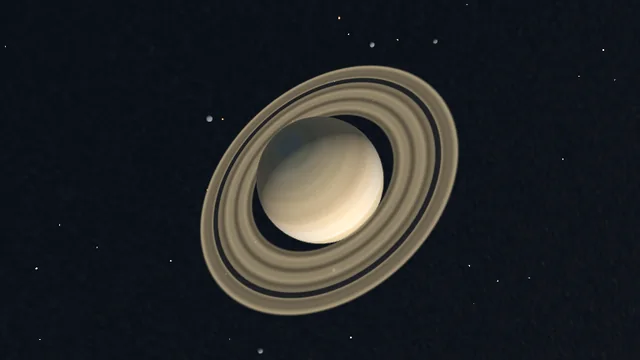
Saturn
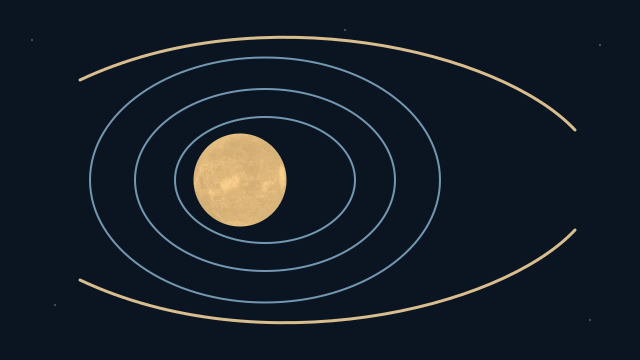
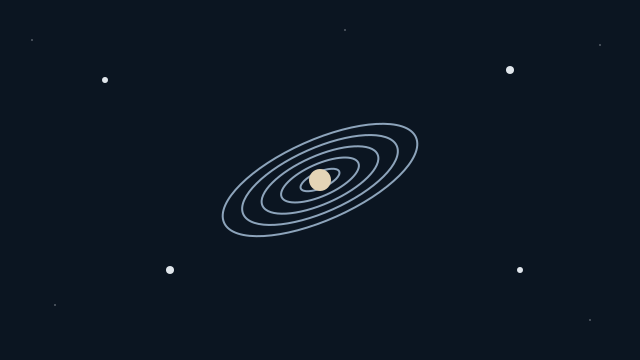
A vast disk made of particles.
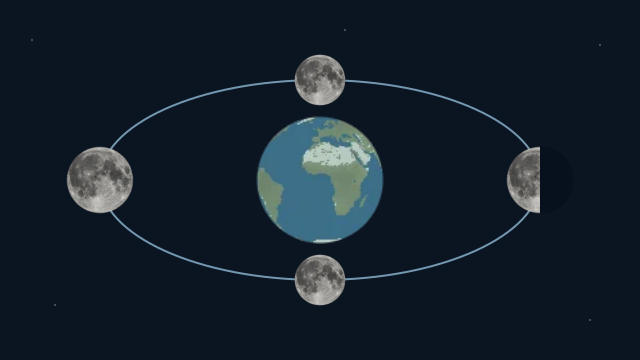
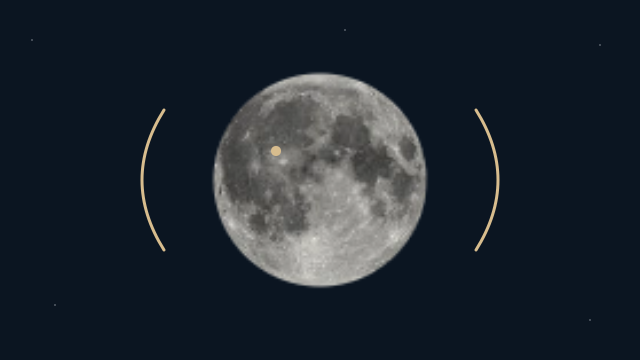
Why the Moon changes shape
An experiment with light.
Rhythms in the sky
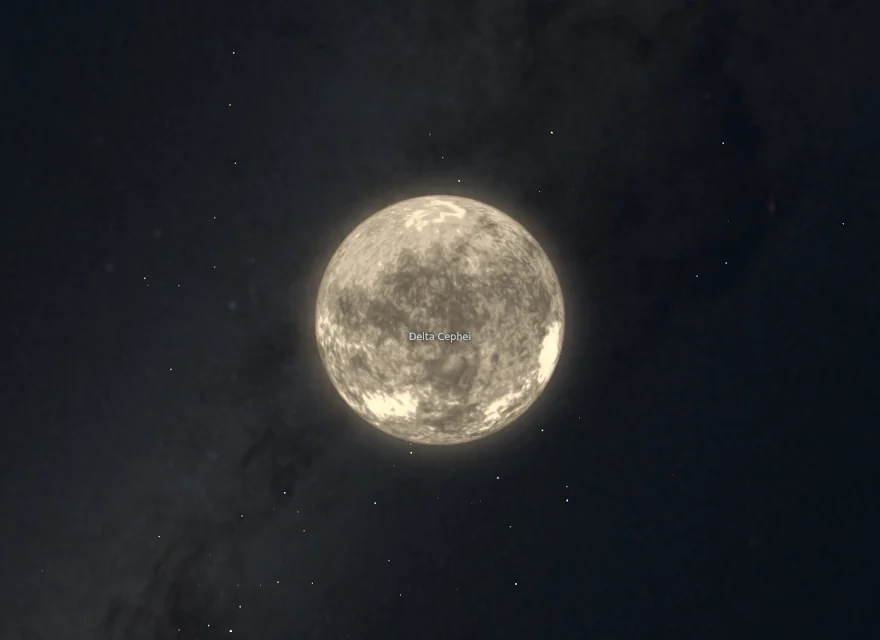
The pulse of stars
Three Cepheids, three periods: watch observations become light.
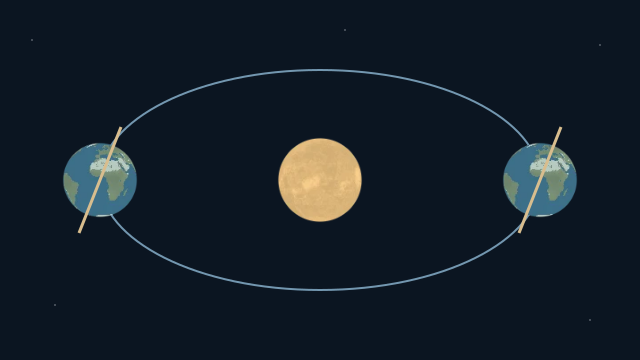
Two hemispheres, two seasons
Change Earth’s tilt.
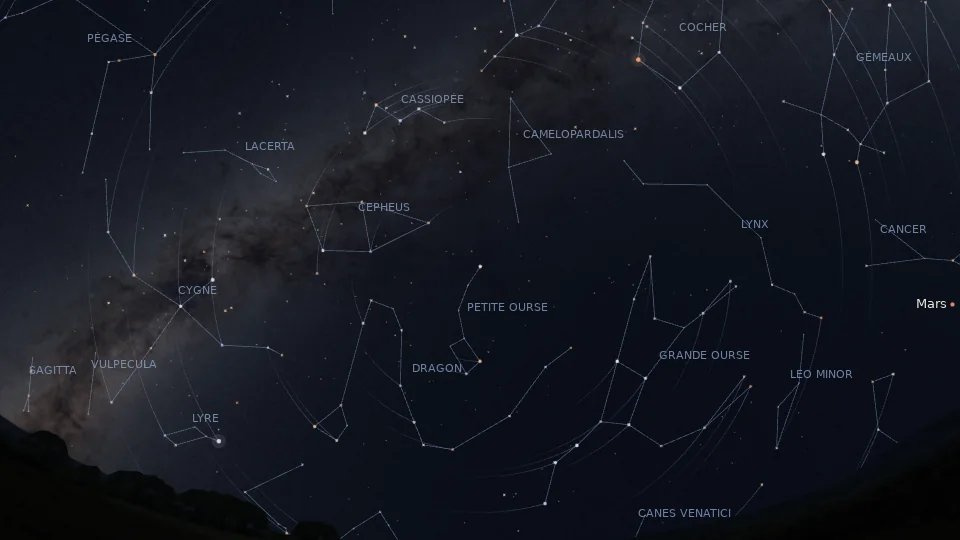
Circling the north
The sky turns; Polaris stays almost still.
The adventure of space probes
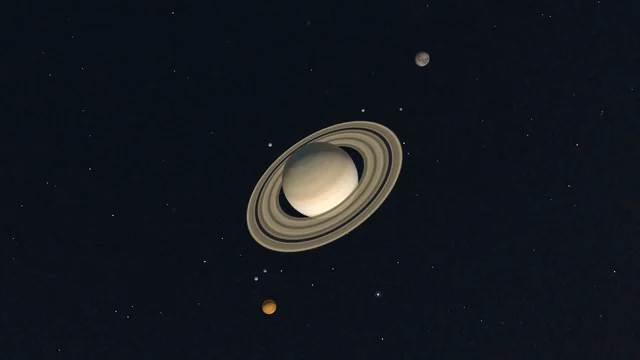
Voyager: the grand tour of the giants
How a small probe reached four giant planets with help from their gravity, then continued towards interstellar space.
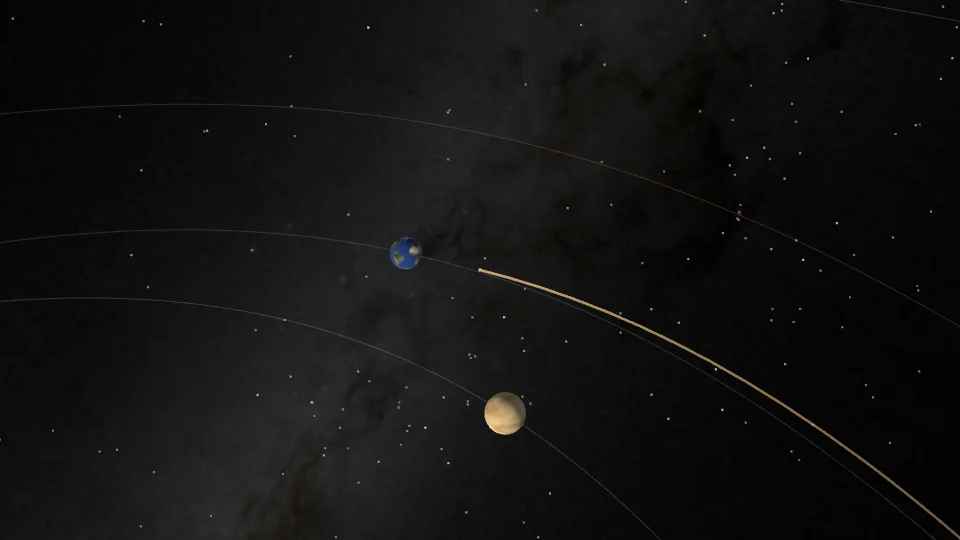
Cassini–Huygens · the road to Saturn
Venus, Earth, Jupiter: stepping stones to Saturn
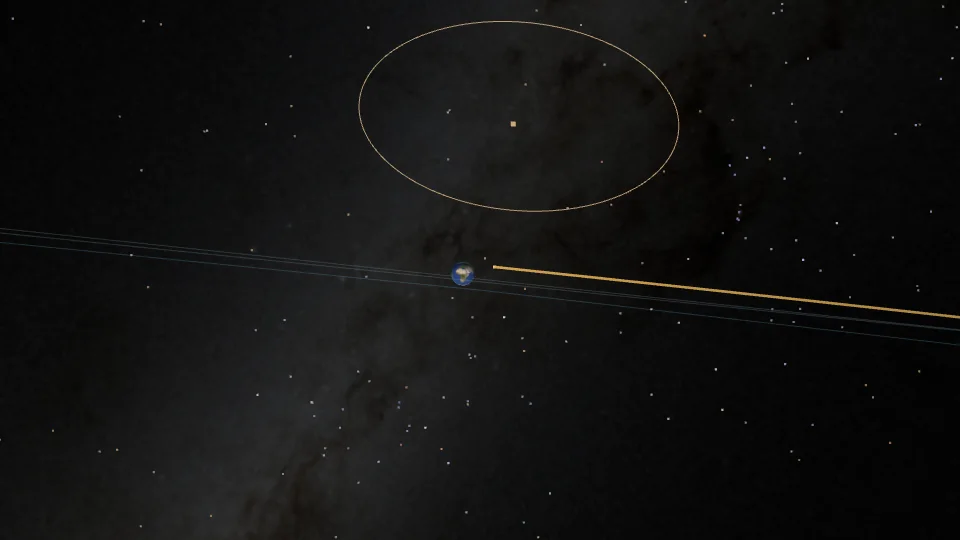
James Webb · the journey to L2
An observatory 1.5 million kilometres away
One sky, many stories
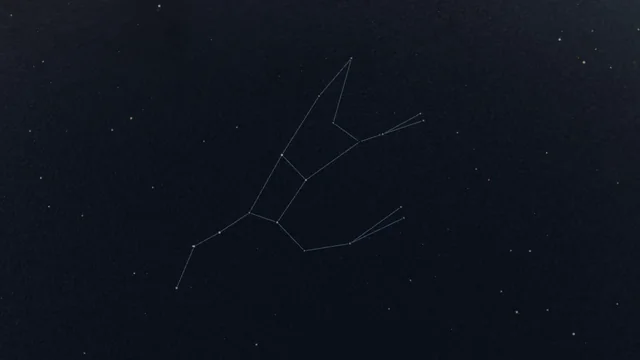
One sky, many stories
The same stars inspire different figures: Greek, Chinese, Mexica and Tupi-Guarani traditions.
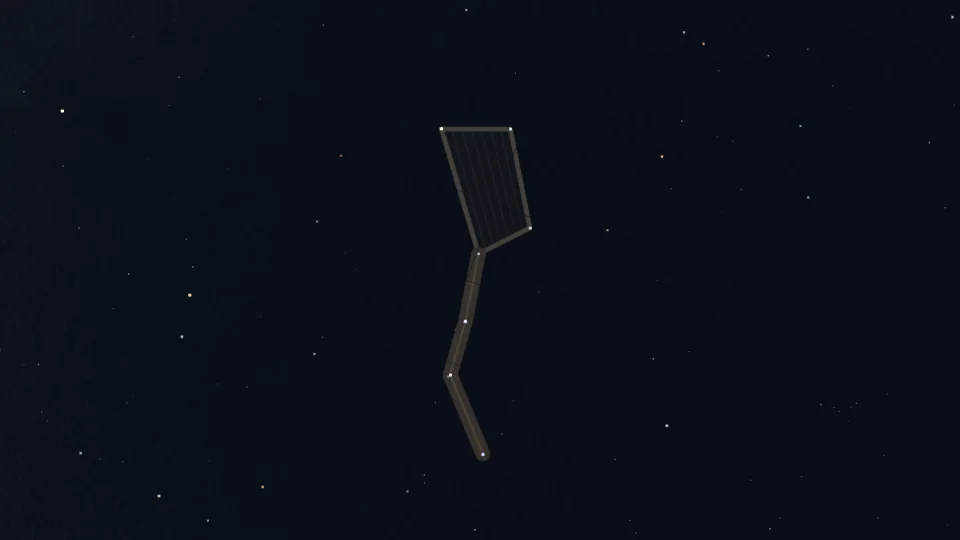
Beidou, the Northern Dipper
Discover the asterisms of the traditional Chinese sky.
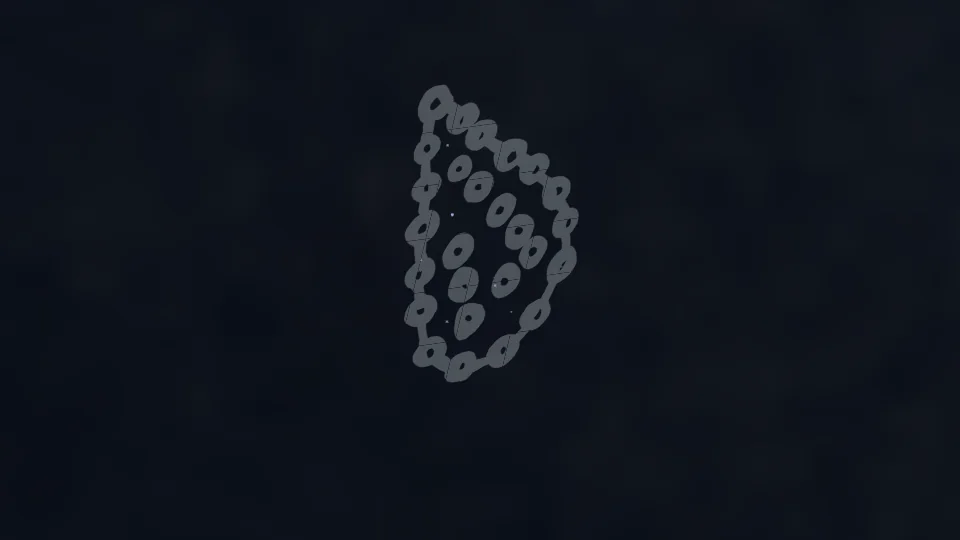
Tianquiztli, the celestial market
The Pleiades in a documented reconstruction of the Mexica sky.
Changing scale
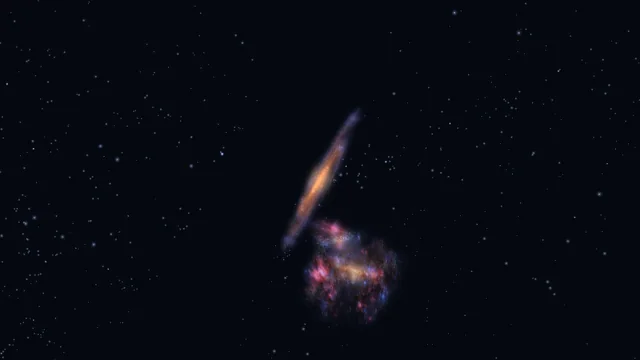
From Earth to galaxies
Our planet becomes a point among stars, then among galaxies. A journey through nested scales, ending with the oldest light.
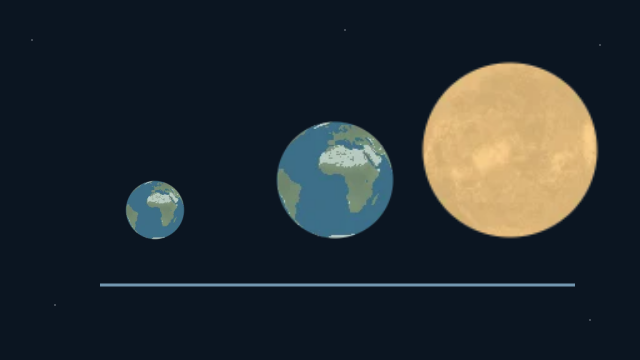
A family of very different sizes
From the Sun to the Moon, at the same scale.
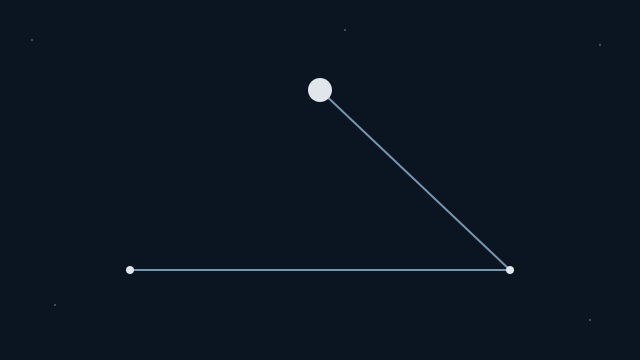
Near and far: stellar parallax
Turn the wheel: Alpha Centauri shifts farther.
Unexpected worlds
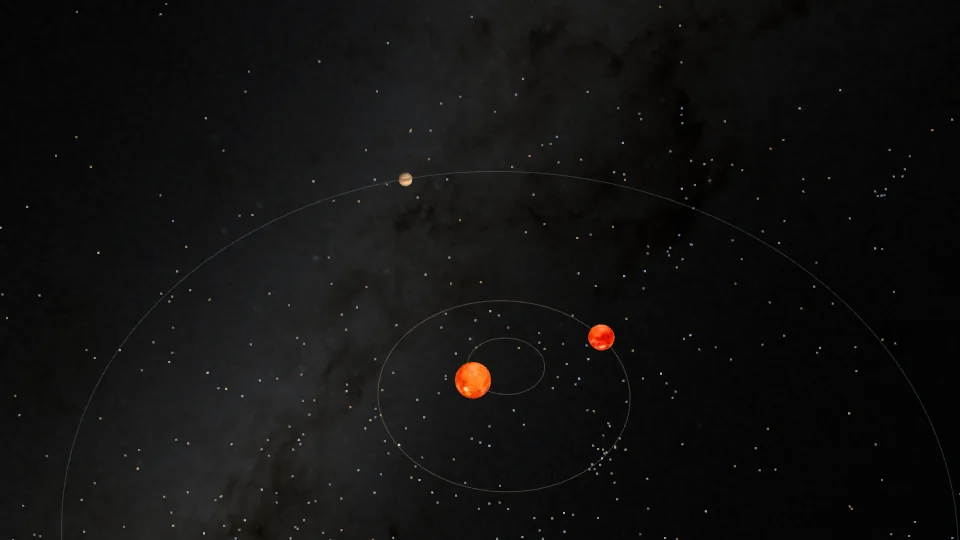
Kepler-16 · Two suns, one planet
A giant planet orbits the centre of mass of two stars.
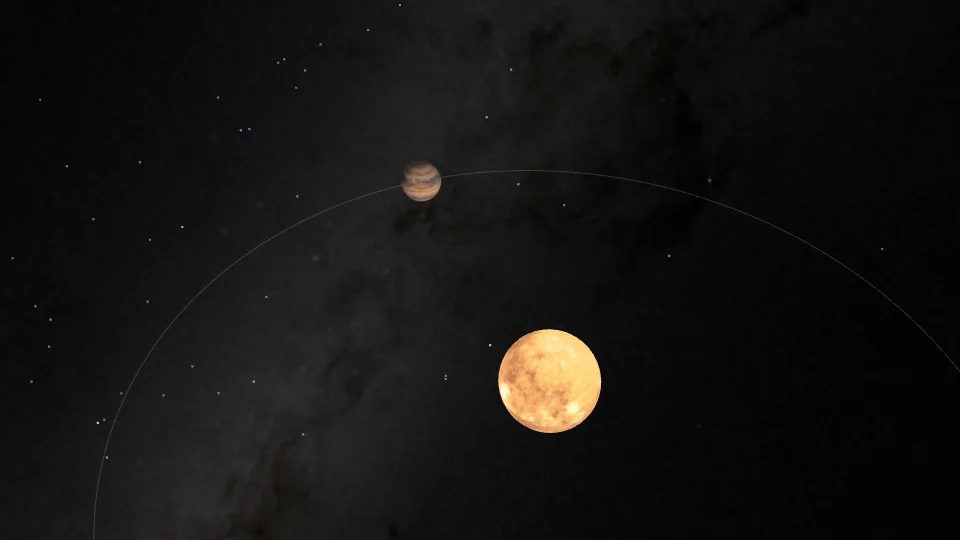
WASP-76 · Iron rain
Gaseous iron is detected. Nightside condensation could produce iron rain: an interpretation, not an observed image.
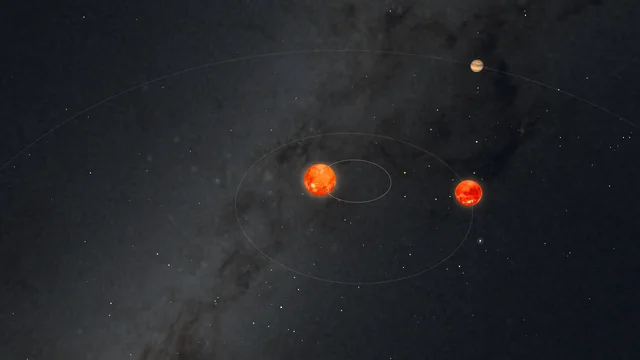
Other ways to make a planetary system
Two stars or seven tightly packed planets: our Solar System is not the only possible arrangement.
What light reveals
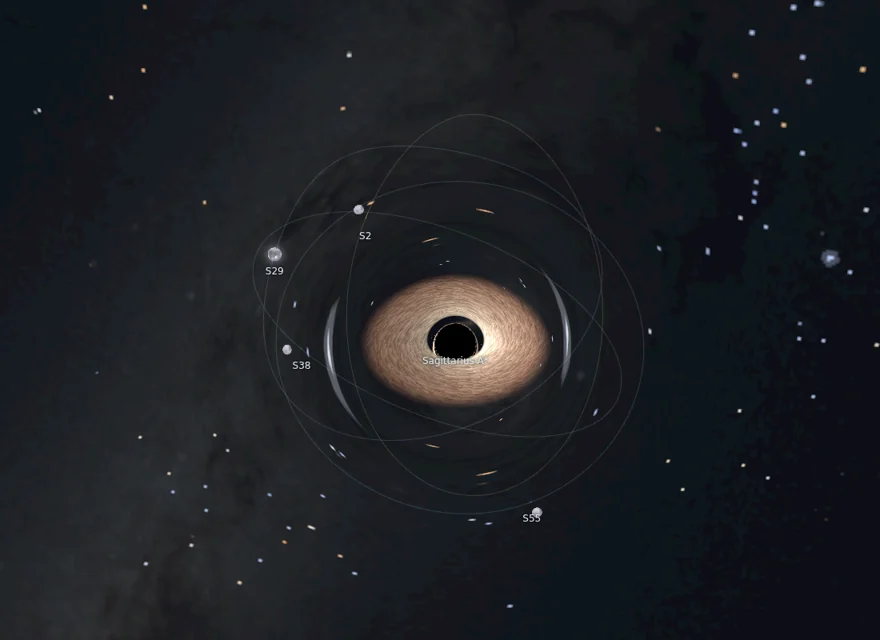
Sagittarius A* · bent light
A black hole to explore from every angle
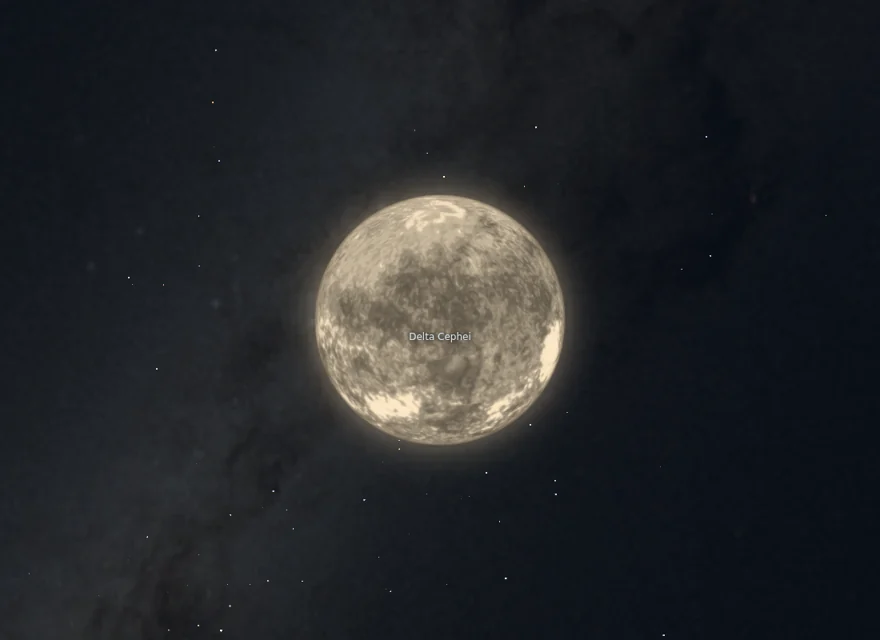
Delta Cephei · a variable star
A 5.3661-day pulsation replayed from Hipparcos measurements.
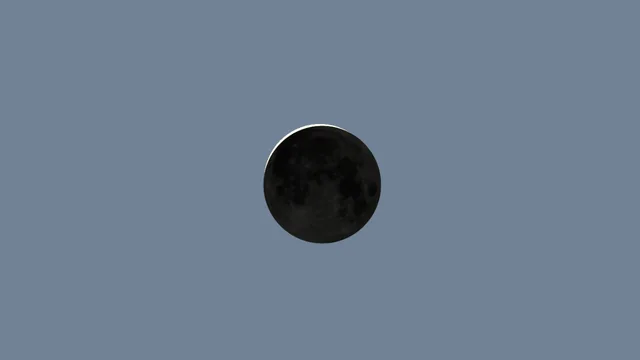
Appearances can deceive
Discover why a small body can hide the Sun, why Mars seems to move backwards and how we measure the depth of the stars.
The lives of stars
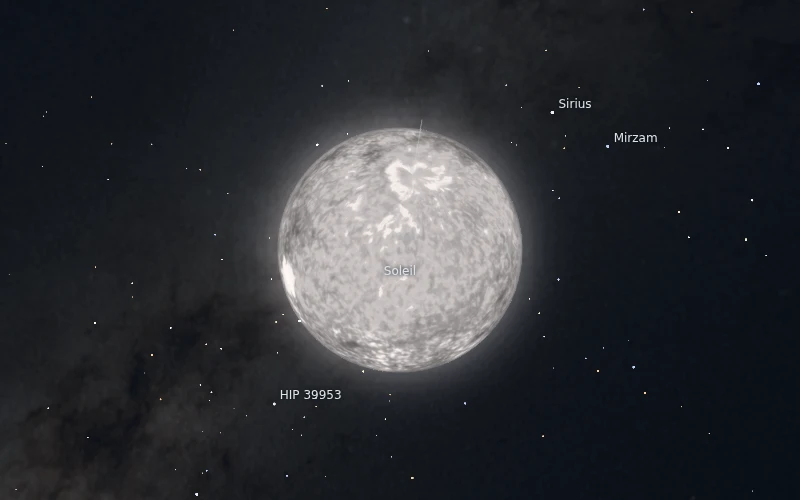
The life of the Sun
From protostar to white dwarf: explore a stellar model.
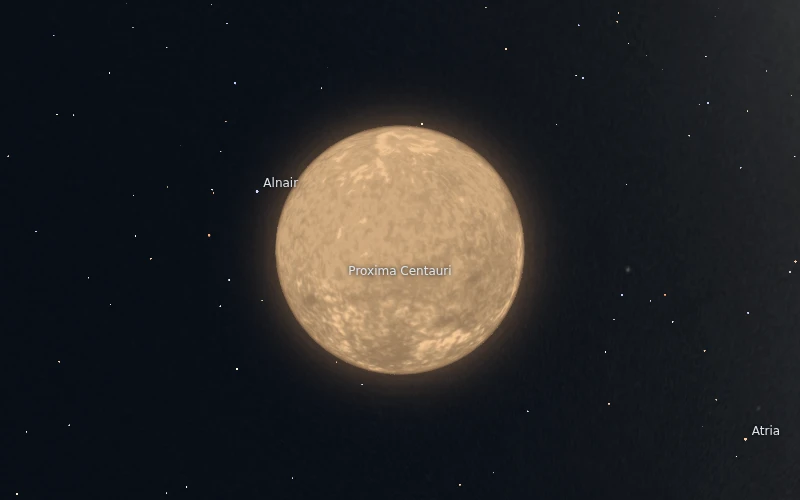
Proxima, a long life
Why a small star can shine for so long.
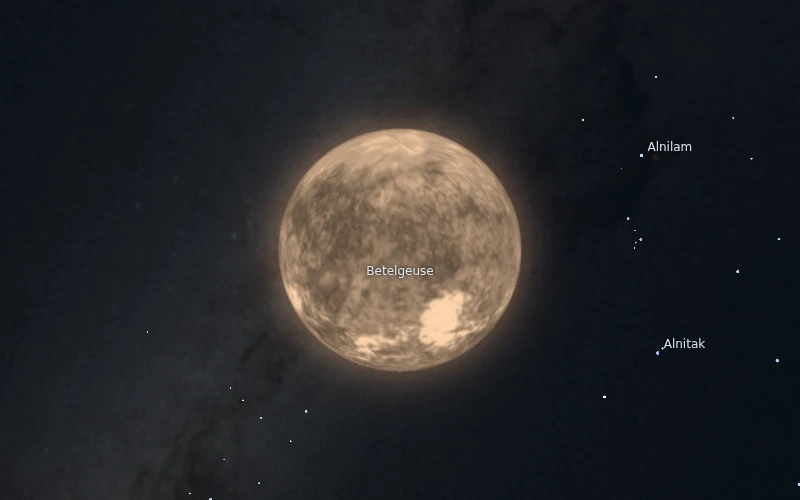
Betelgeuse and the supernova
A real star, an explosion scenario to understand.
Time transforms the sky
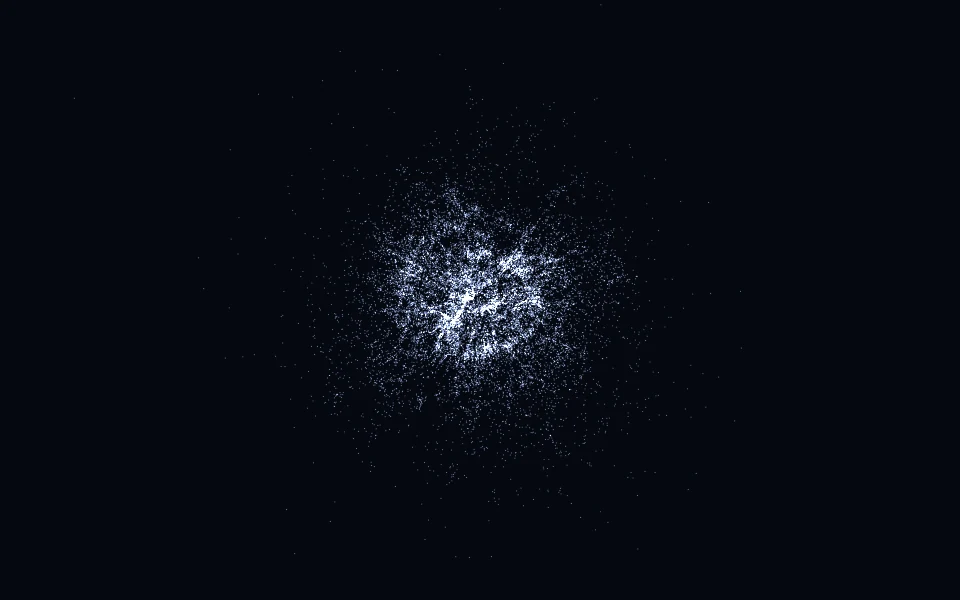
The expanding Universe
An explorable journey from 10 million to 25 billion years.
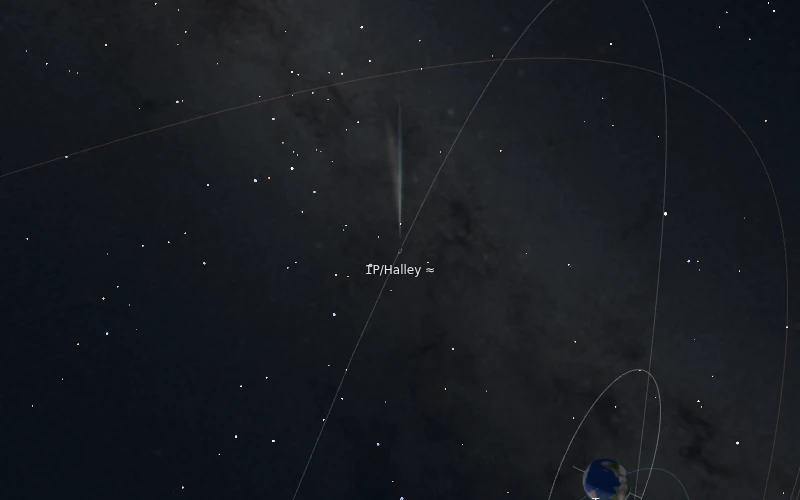
Halley · the 1986 passage
Follow Halley from the Sun to its passage near Earth.
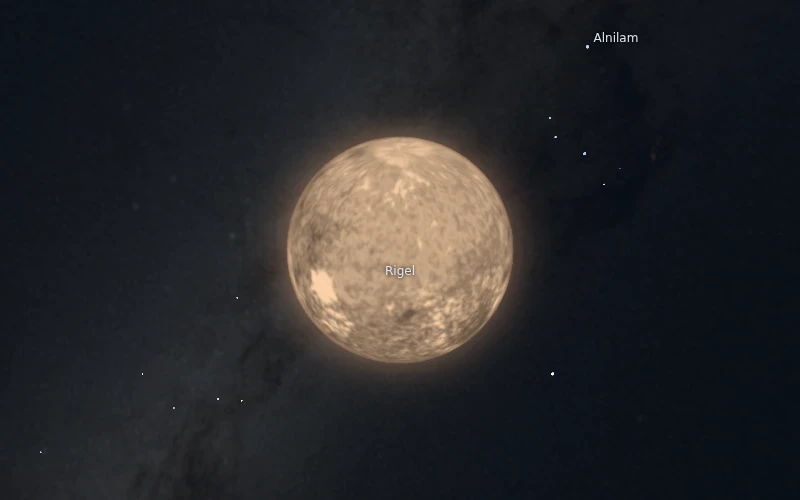
Rigel and stellar collapse
Understand one possible route to a black hole.
Watching space expand
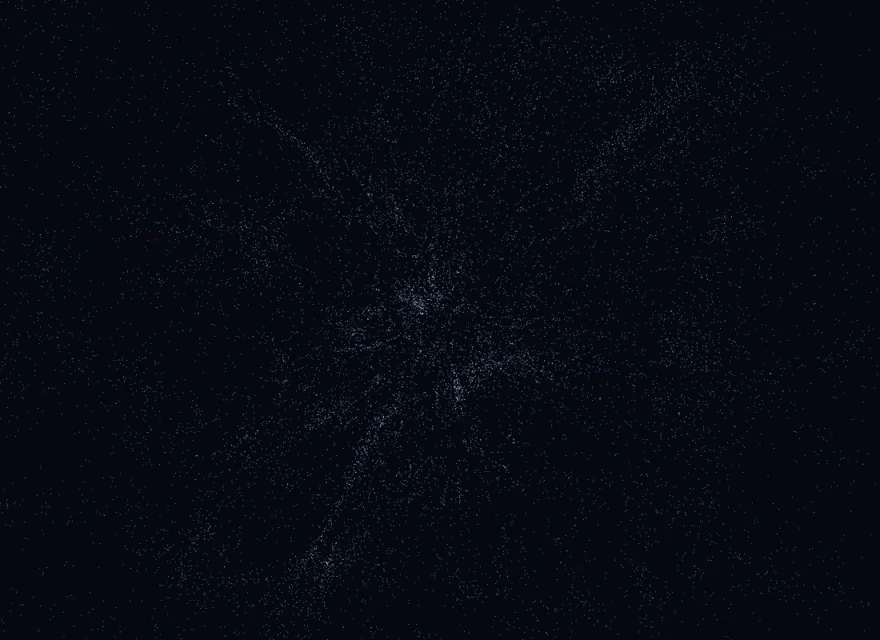
Expansion is not an explosion
From the young Universe to 25 billion years: see distances grow without confusing expansion with camera motion.
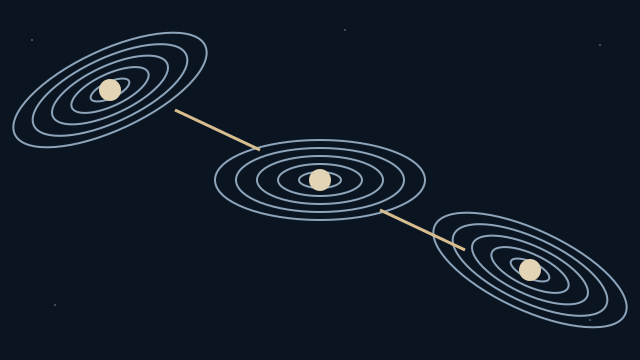
Big Bang, expansion and Hubble’s law
Understand the measurements and explore the phenomenon.
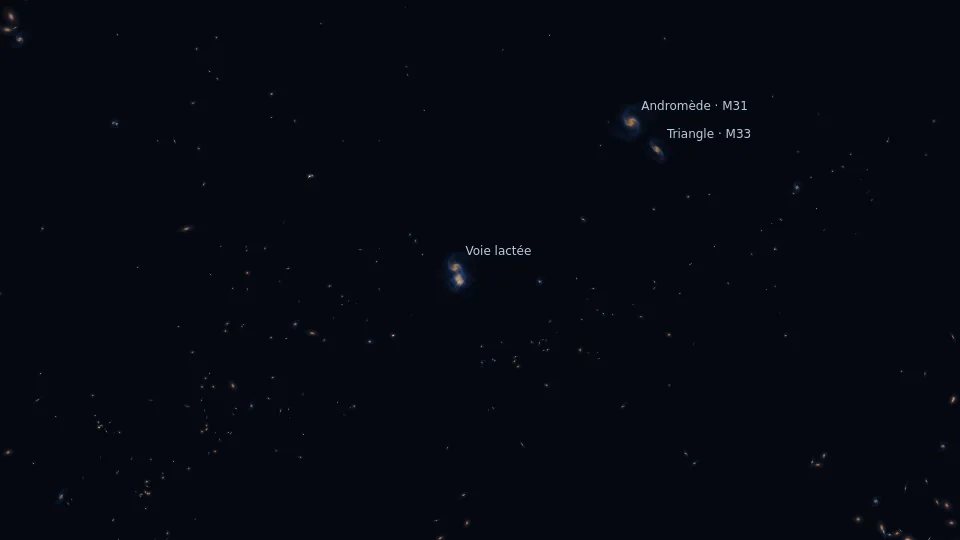
Among twenty thousand galaxies
A 3D map of the 2MRS survey and an expansion model.
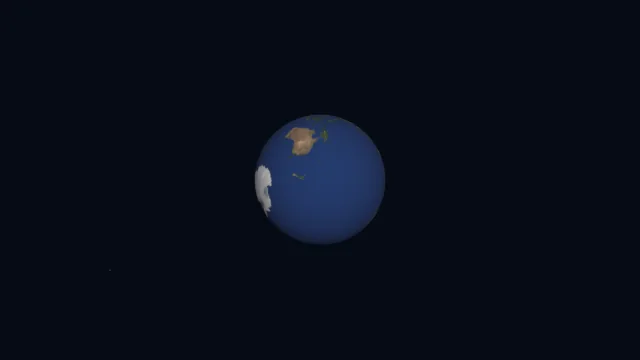
Our planet in motion
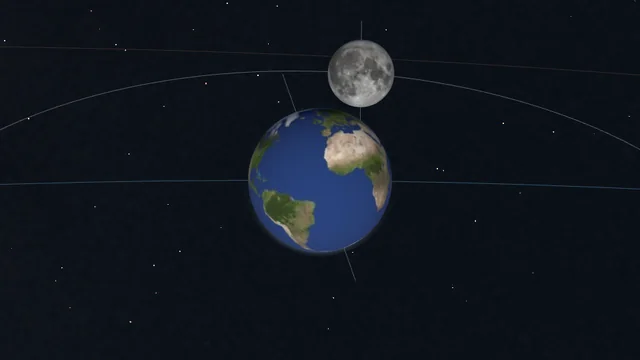
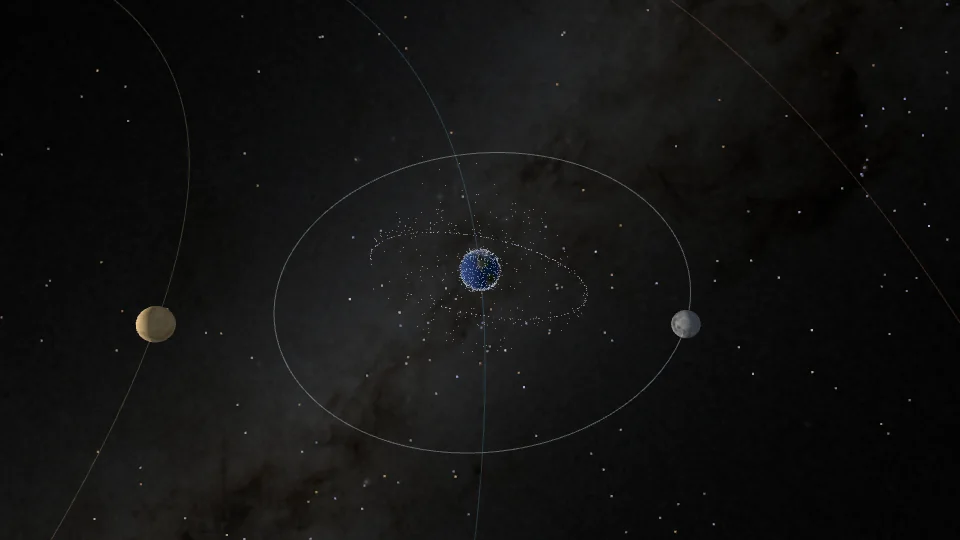
On the trail of the invisible
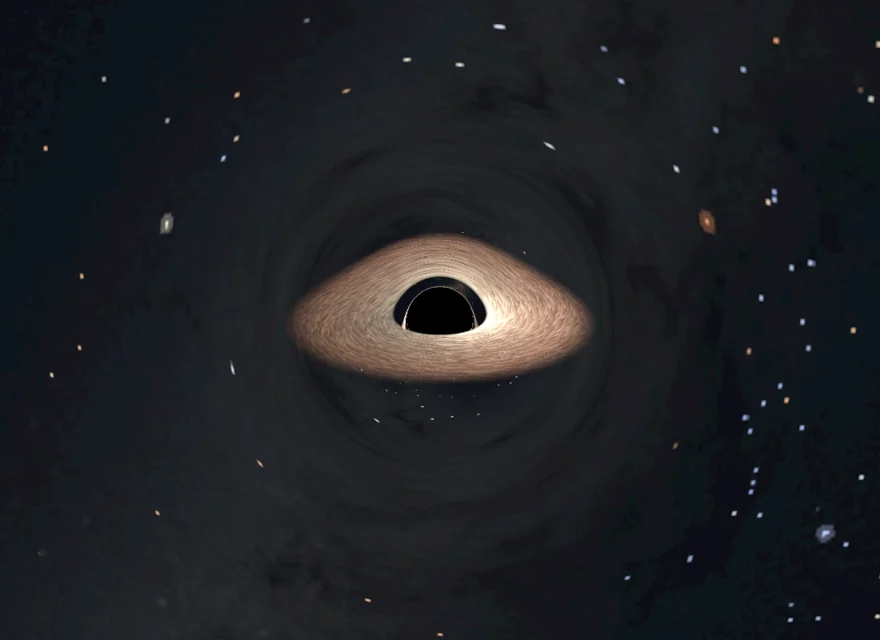
Stars reveal black holes
Follow measured orbits to discover two invisible companions.
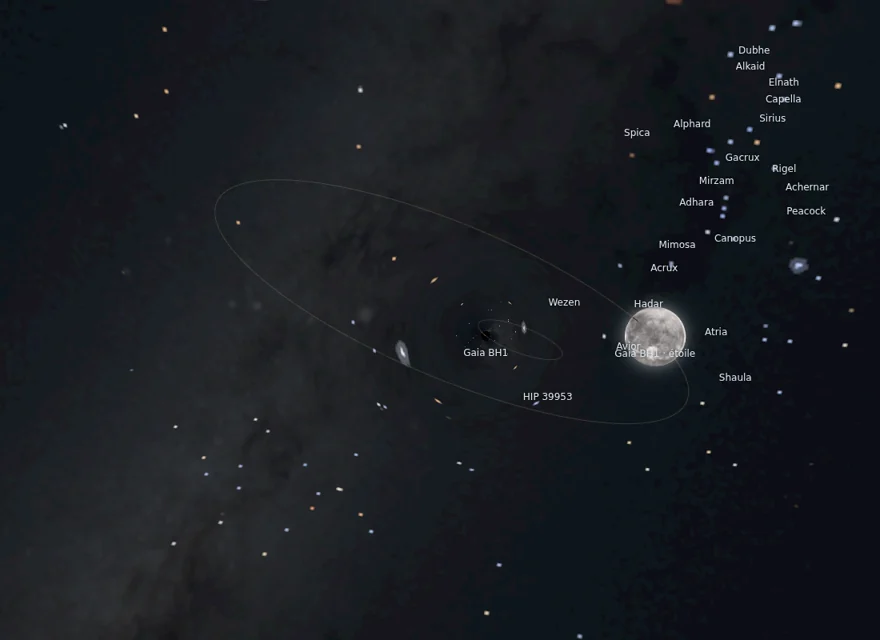
Gaia BH1 · an invisible companion
A star and a black hole orbit their common centre of mass.
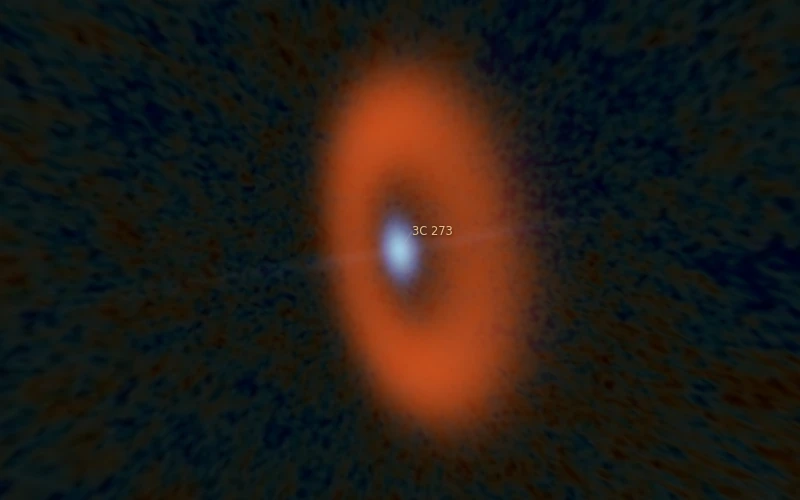
3C 273 · an active nucleus
A quasar, not a star.
Another horizon
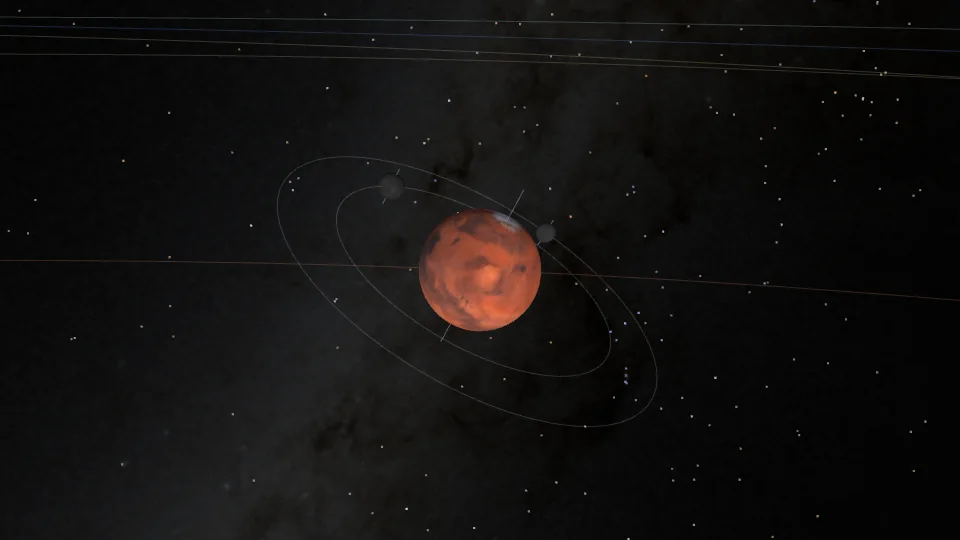
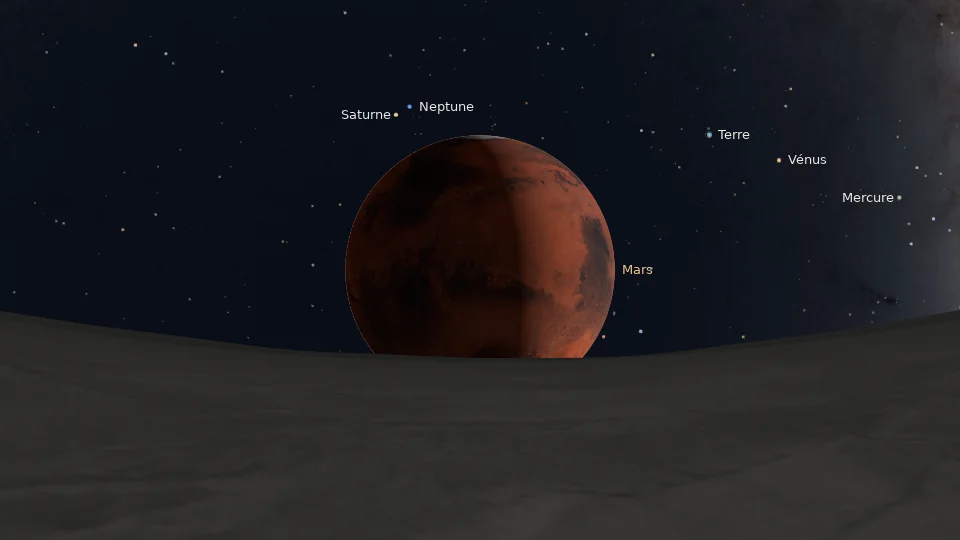
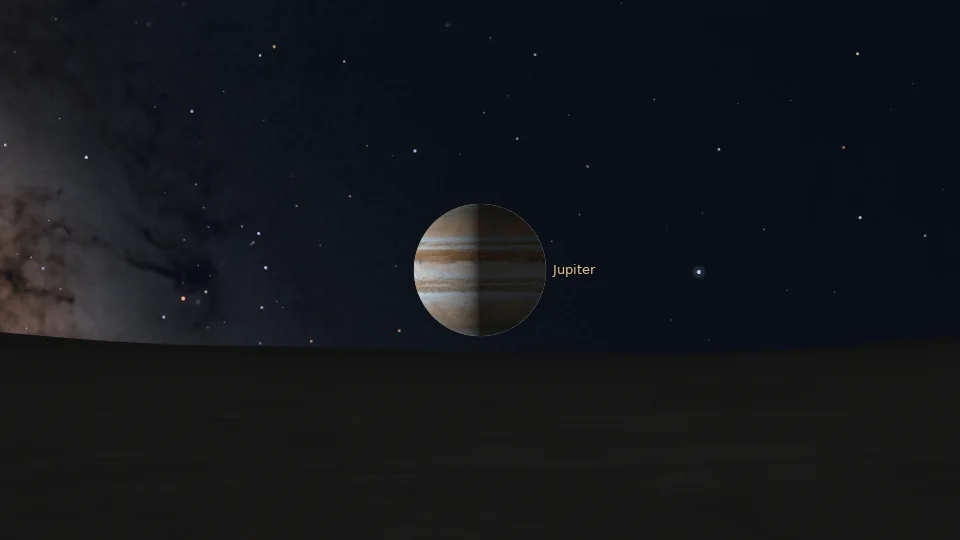
Carried by gravity
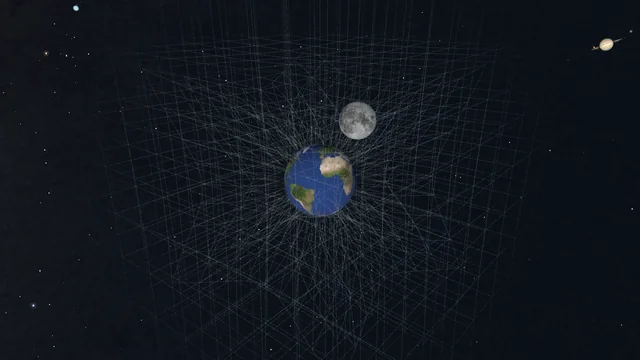
Gravity, architect and engine
Why do satellites not fall to the ground? From orbits to gravity assists and Webb, one attraction explains very different motions.
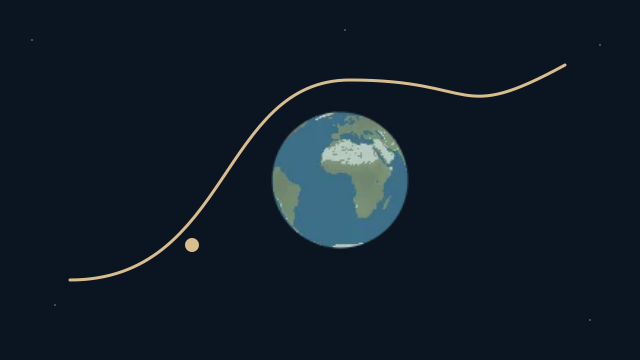
Gaining speed from a planet
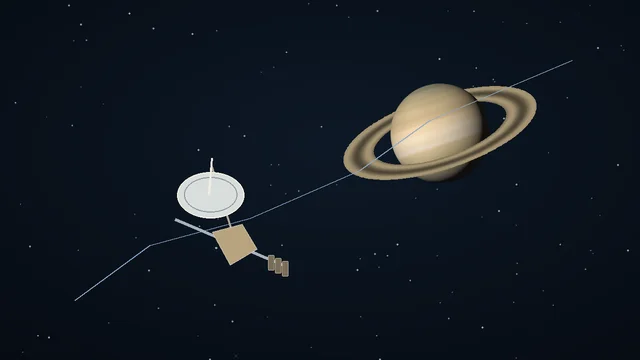
Follow a flyby and compare velocities in two reference frames.
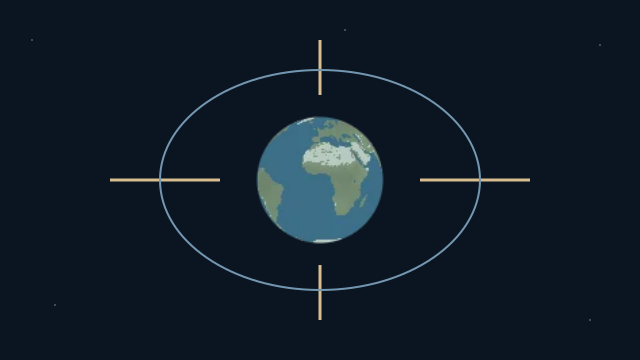
Gravity around Earth
A grid for exploring the field
Drawing the night
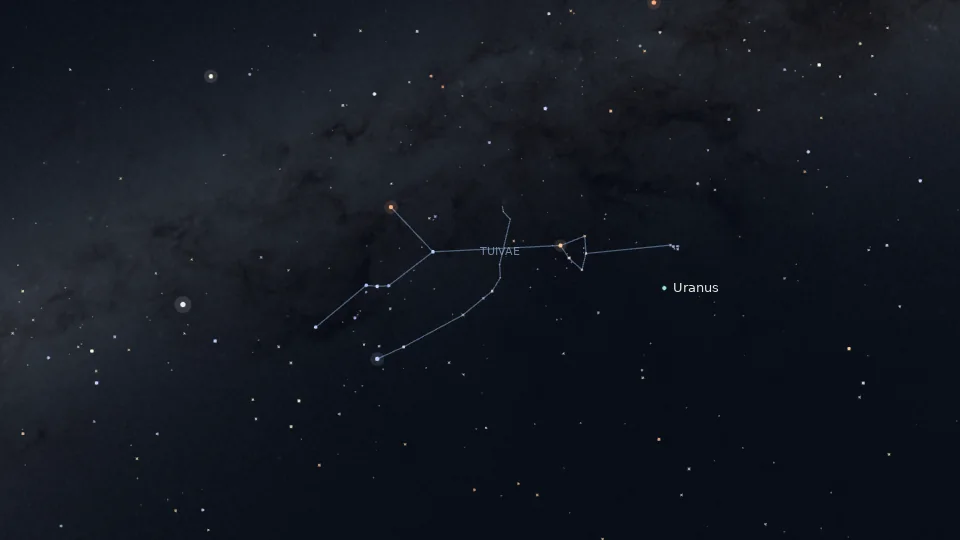
The Old Man in the sky
A figure from a Tupi-Guarani selection, spanning Orion and Taurus.
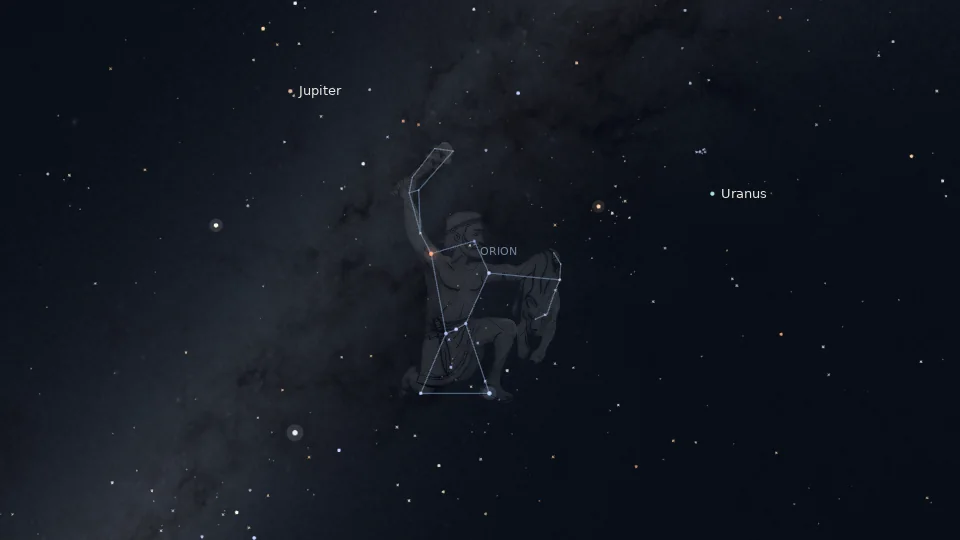
Orion takes shape
An illustration anchored to the stars: find the hunter and his belt.
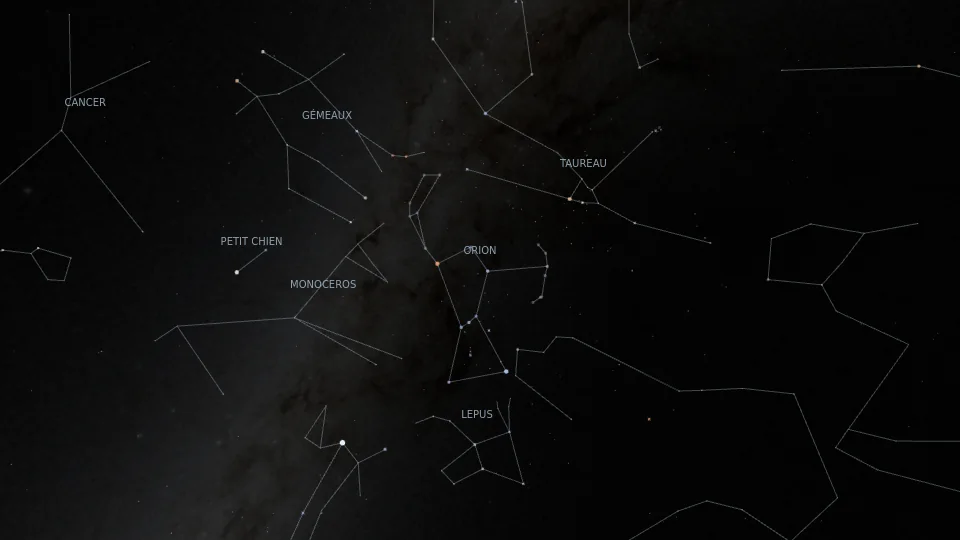
Behind Orion’s outline
Move sideways with the wheel and watch the outline change.
Stars as landmarks
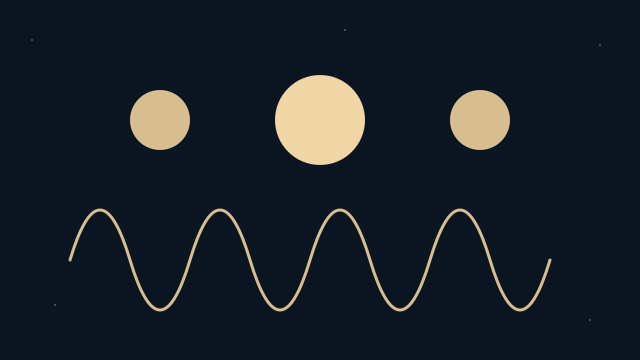
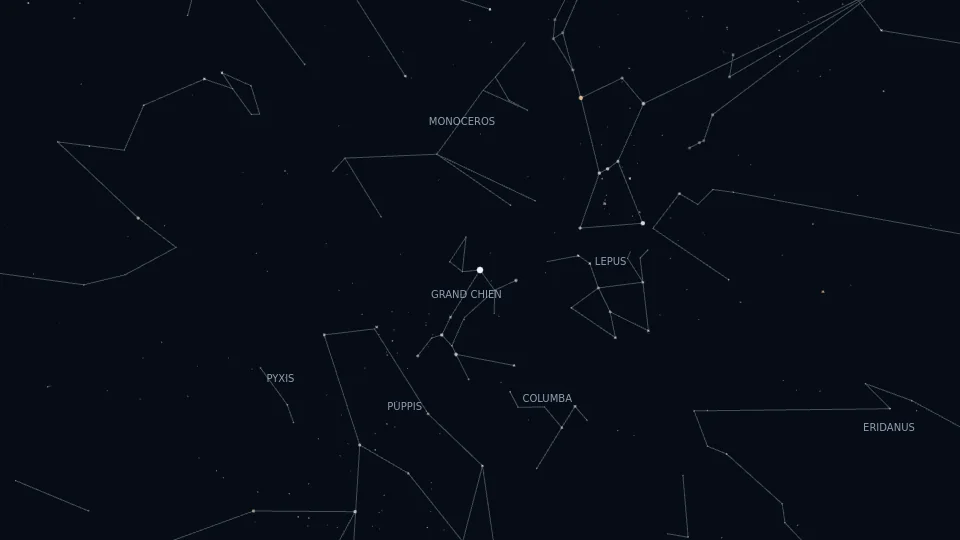
A passing shadow
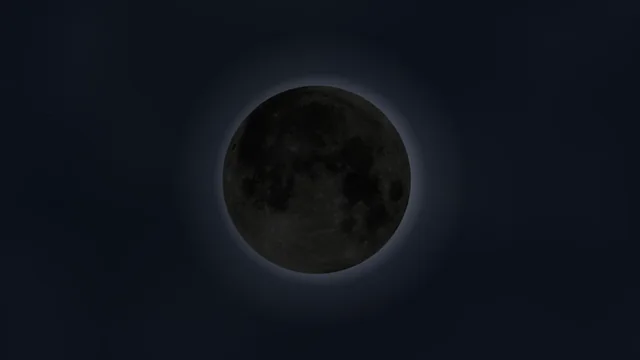
When worlds align
Distinguish conjunctions, lunar phases and eclipses, then understand the Moon’s passage across the Sun in Dallas.
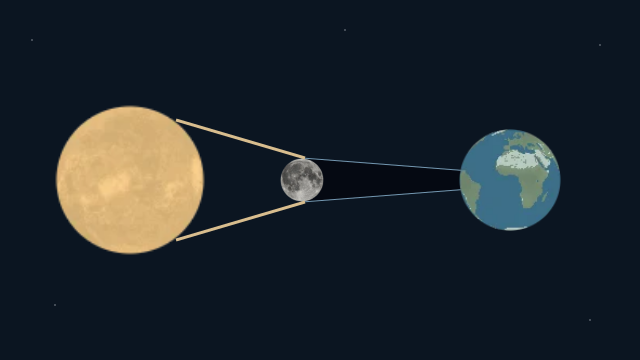
Why isn’t there an eclipse every month?
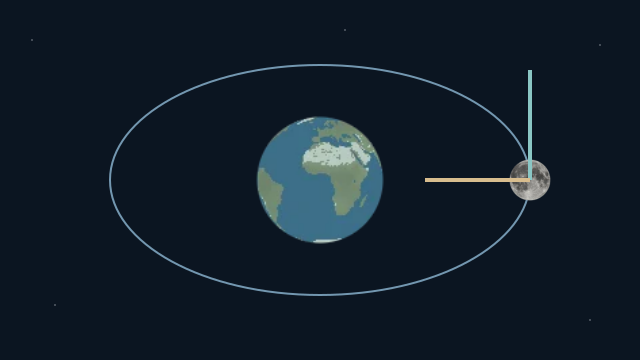
A slightly tilted orbit.
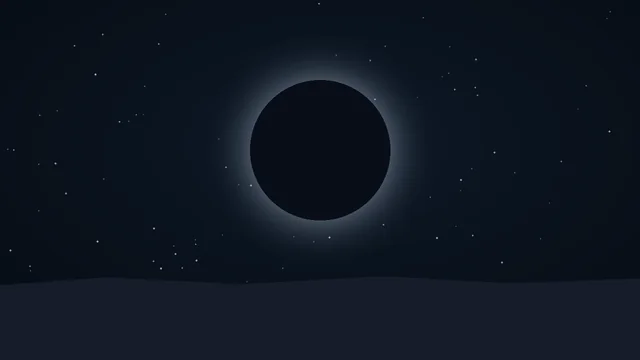
Gaborone · 11/25/2030
Partial eclipse
Galaxies take shape
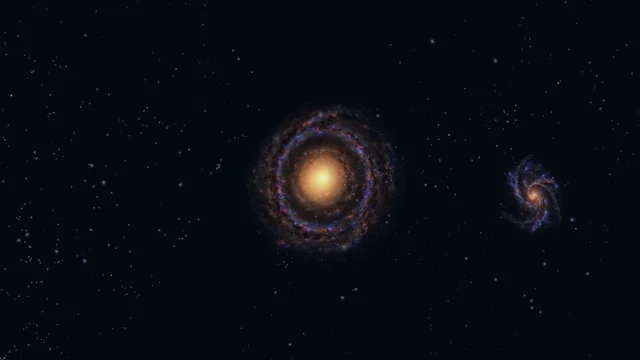
Galaxies in depth
Disks, bulges and arms: changing viewpoint reveals galactic structure beyond the silhouette.
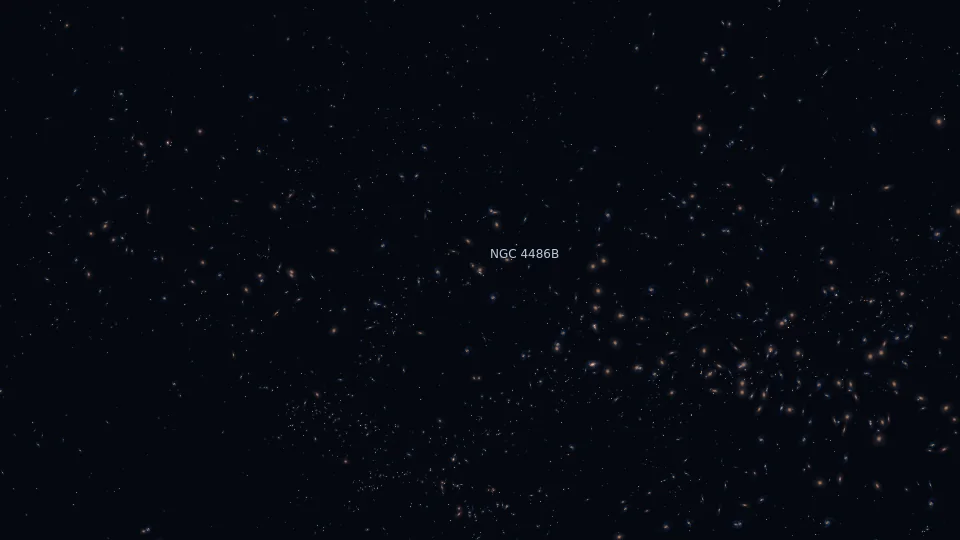
Around NGC 4486B · A galaxy field
Explore a region of the 2MRS survey.
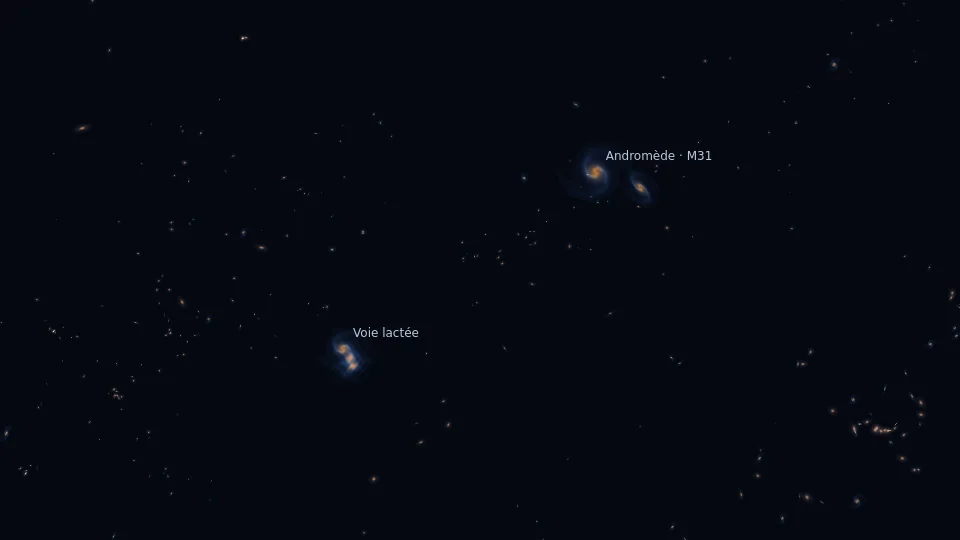
The Local Group · Five landmarks
The Milky Way, Andromeda, Triangulum and the Magellanic Clouds.
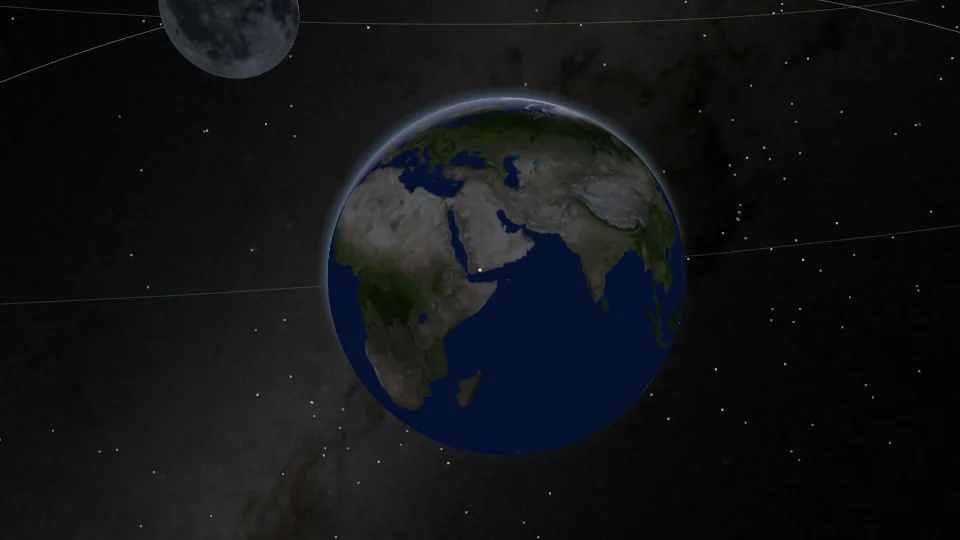
Back to the Moon
Other stellar lives
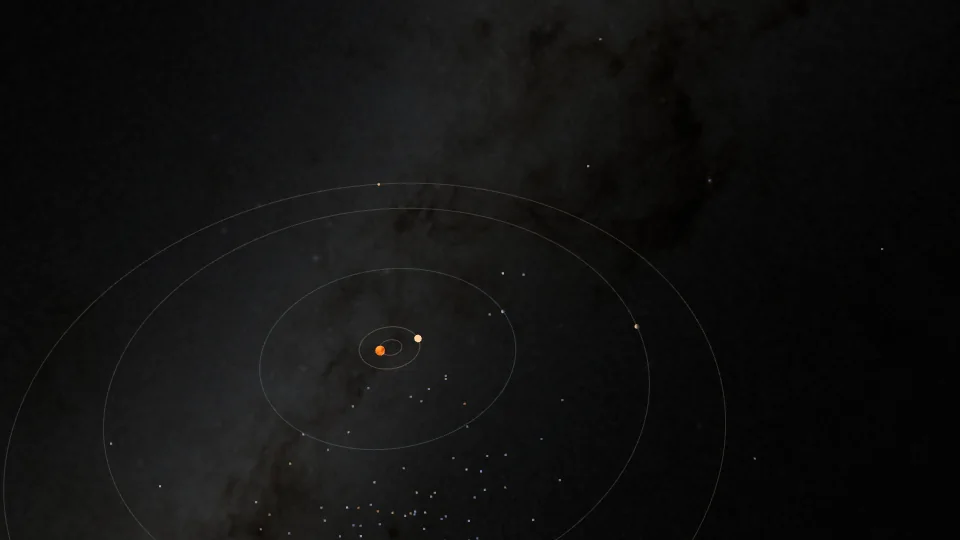
Kepler-47 · Three worlds, two suns
Planets b, d and c surround the binary stars.
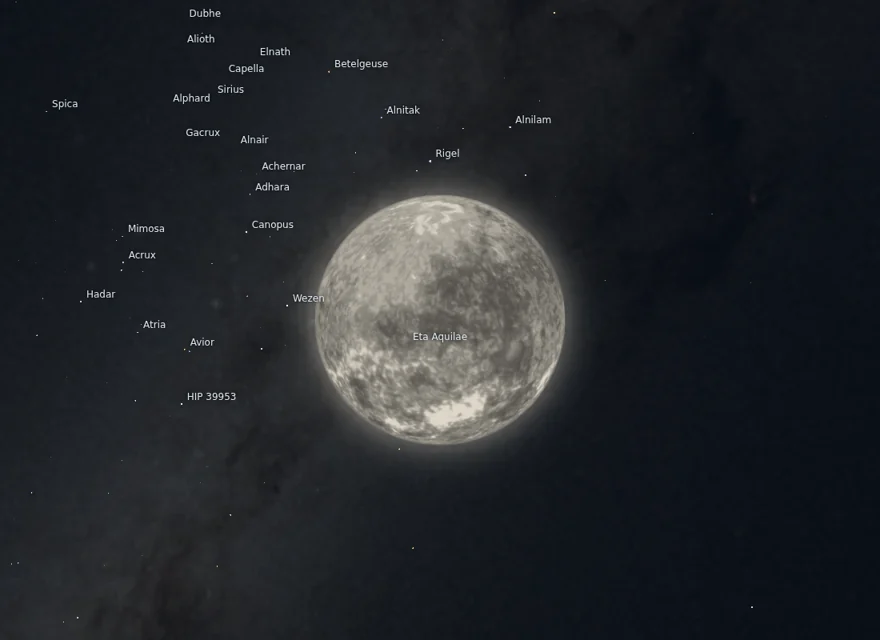
Eta Aquilae · a variable star
A 7.1778-day pulsation replayed from Hipparcos measurements.
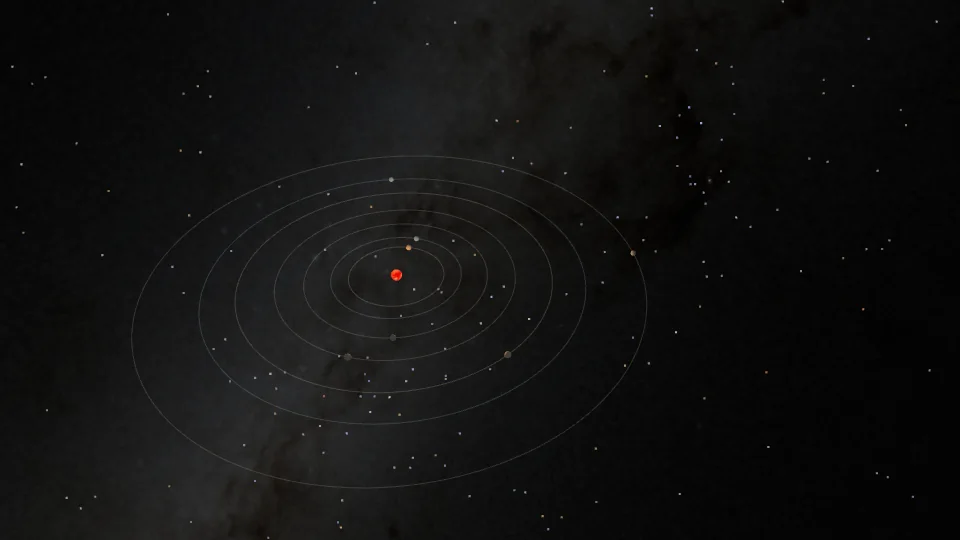
TRAPPIST-1 · Seven rocky worlds
Seven Earth-sized planets within an orbit smaller than Mercury’s. Atmospheres and landscapes remain uncertain.
The sky changes with us
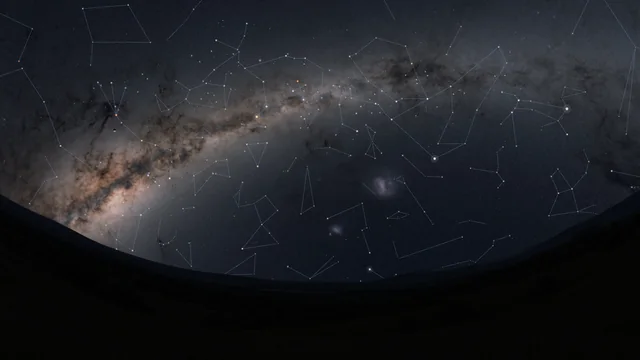
Change latitude, change sky
Why does Polaris disappear as we travel south? Latitude explains visible stars, their motion and days without sunset.
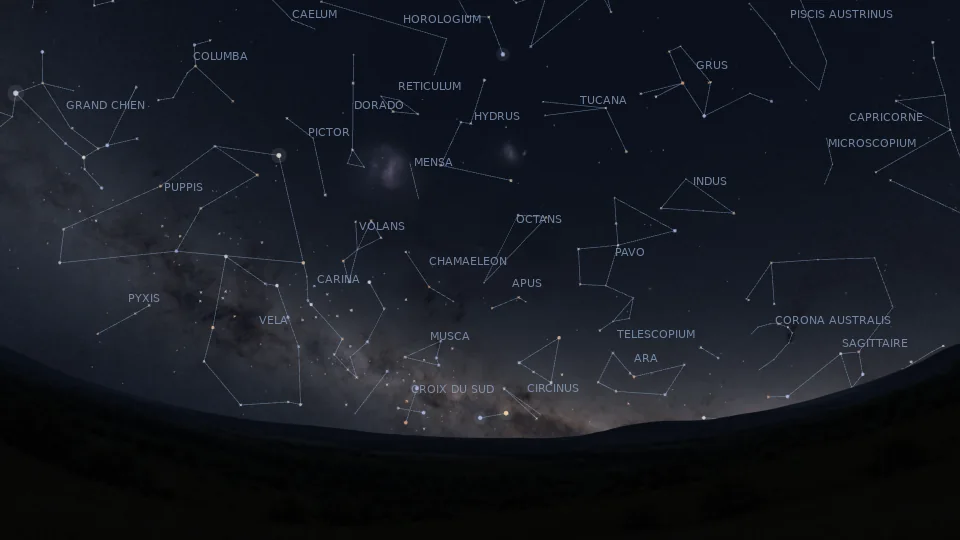
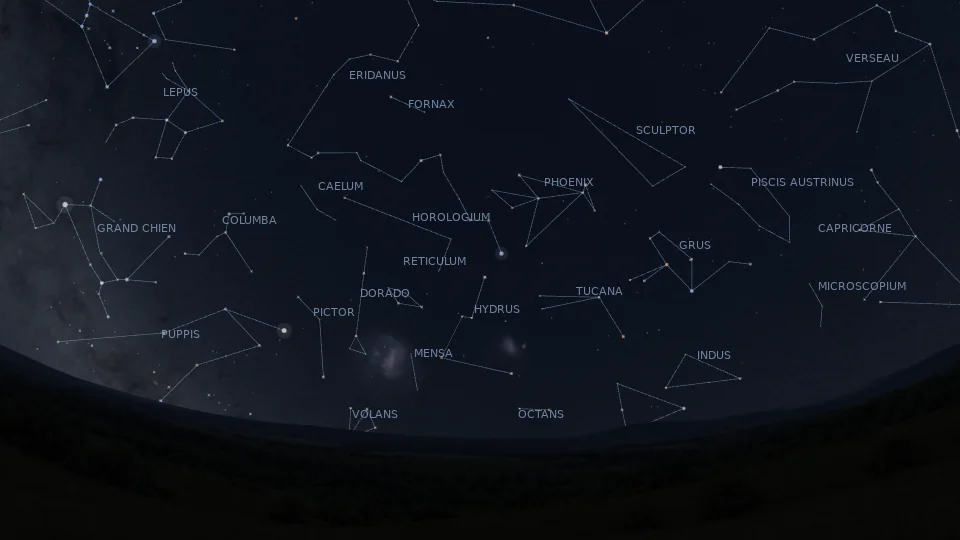
The southern sky
Observe from Cape Town.
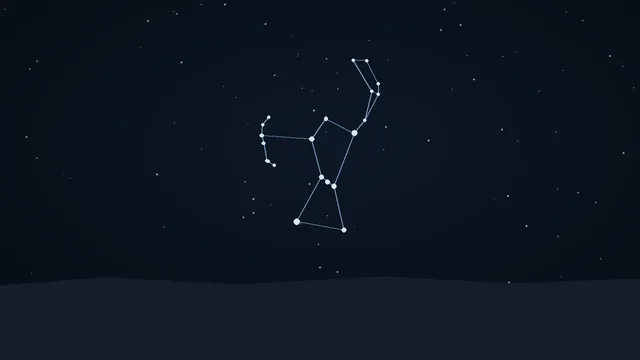
The sky on your birthday
Revisit the stars from a personal moment
In the neighbourhood of black holes
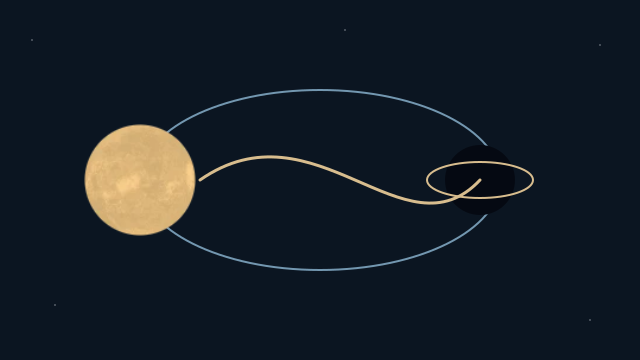
The Moon reveals itself
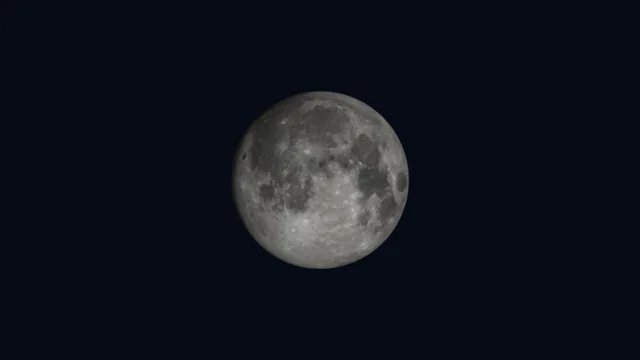
The outer giants
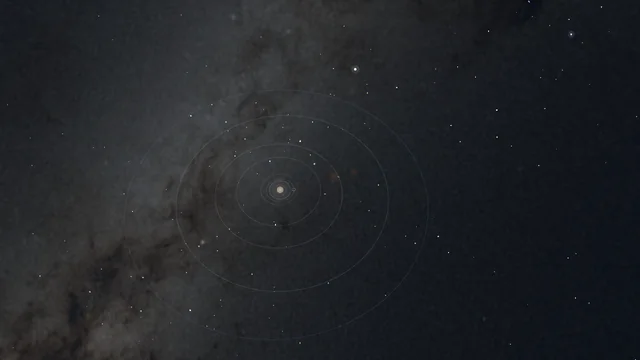
From Earth’s neighbourhood to the solar system’s outskirts
Connect the sizes of worlds, the distances between them and the times needed for orbits or light signals.
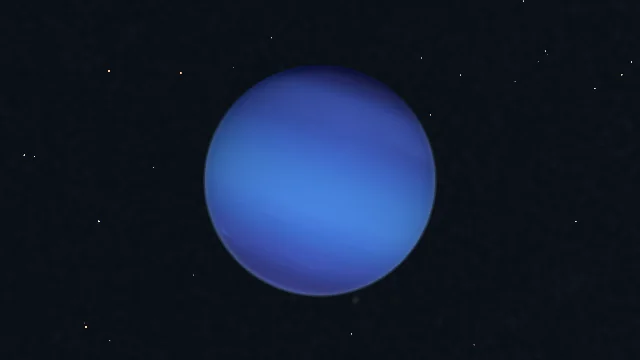
Neptune
The outermost of the eight planets.
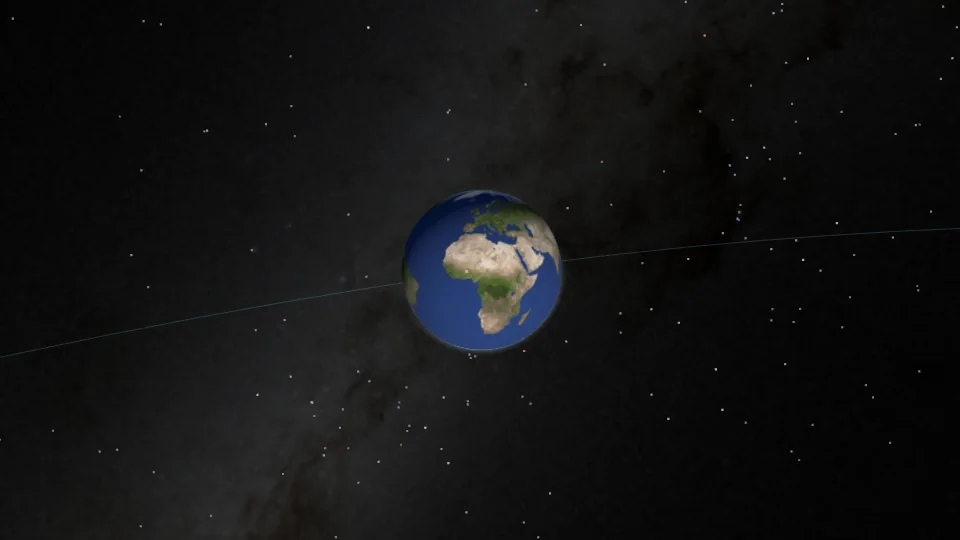
New Horizons
A new NASA/JPL trajectory to explore
Keeping time with the stars
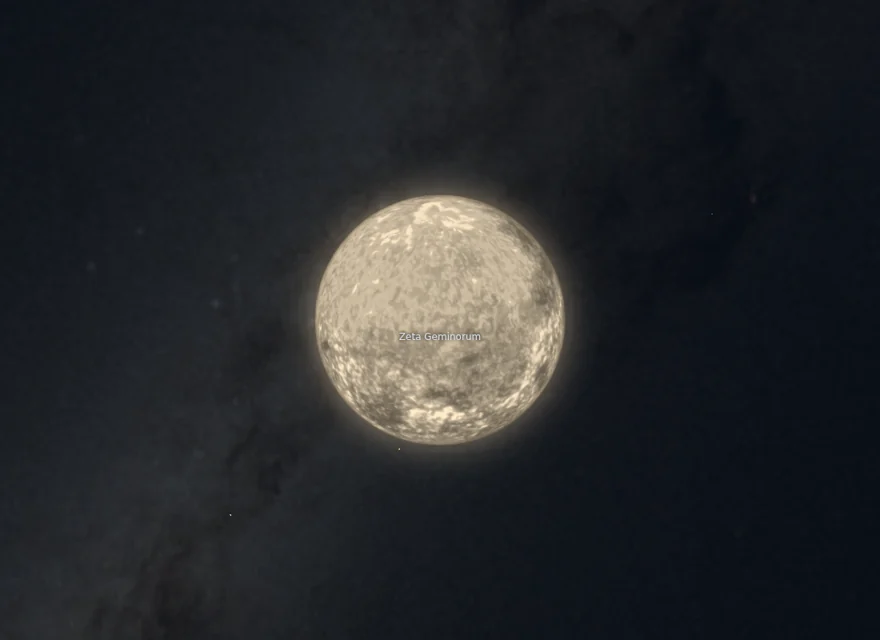
Zeta Geminorum · a variable star
A 10.1509-day pulsation replayed from Hipparcos measurements.
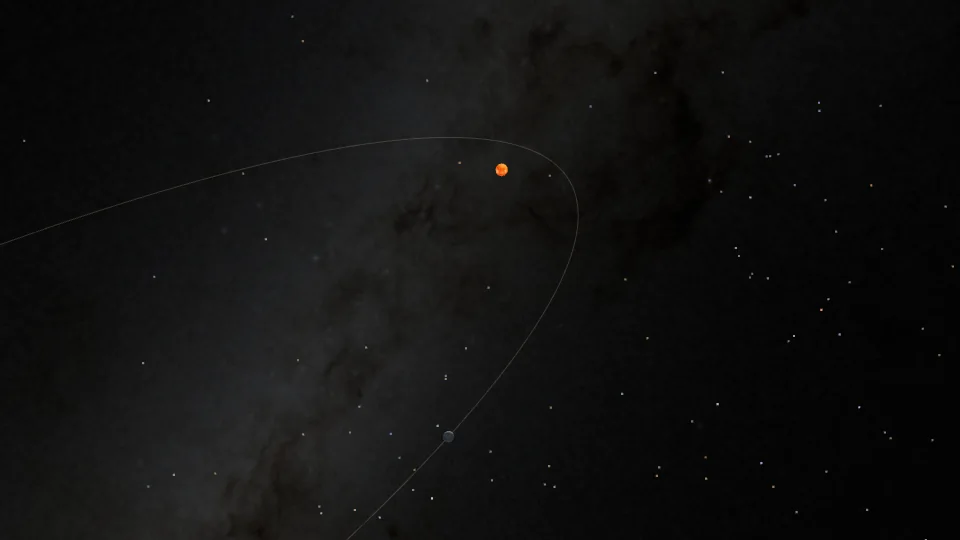
HD 80606 · An extreme orbit
The planet accelerates strongly near its star on an orbit with eccentricity 0.93.
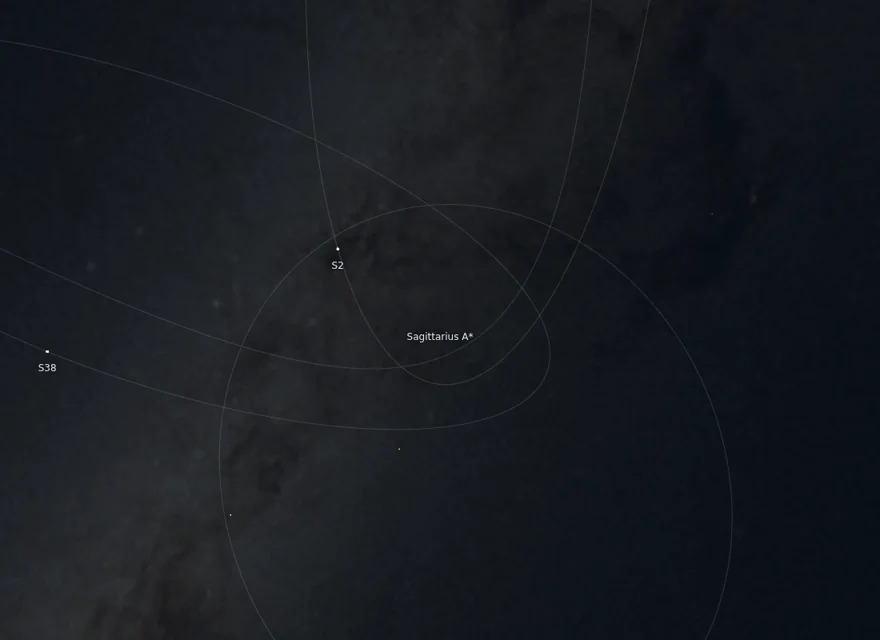
S2 · close to Sagittarius A*
Follow the 2018 periapsis passage.
A night of your own
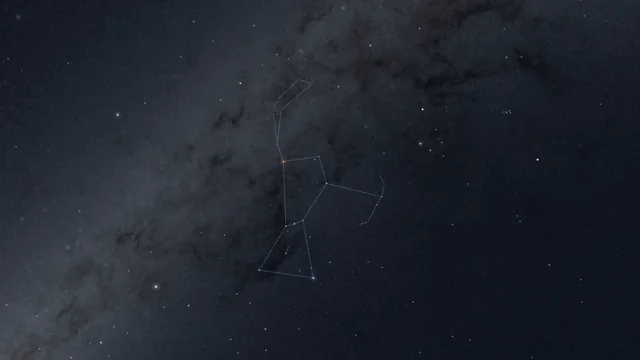
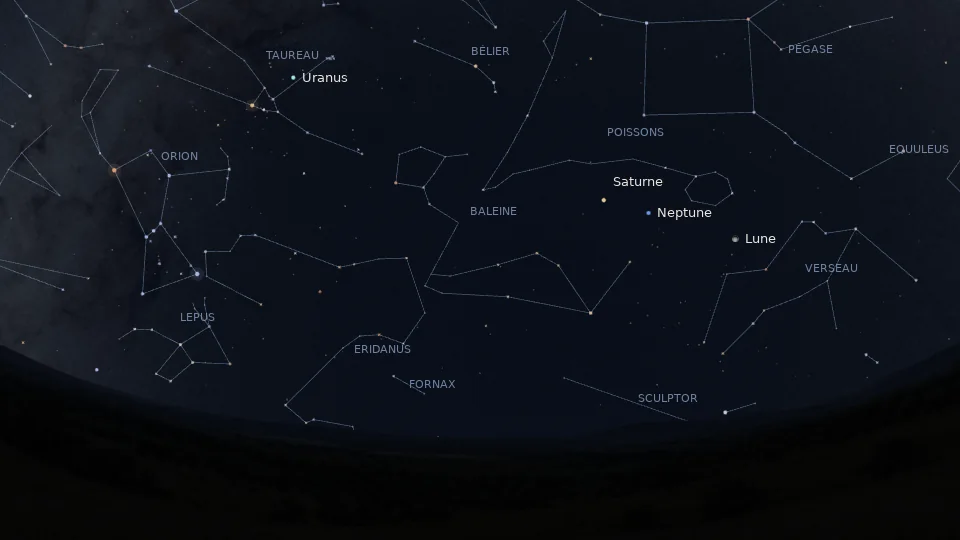
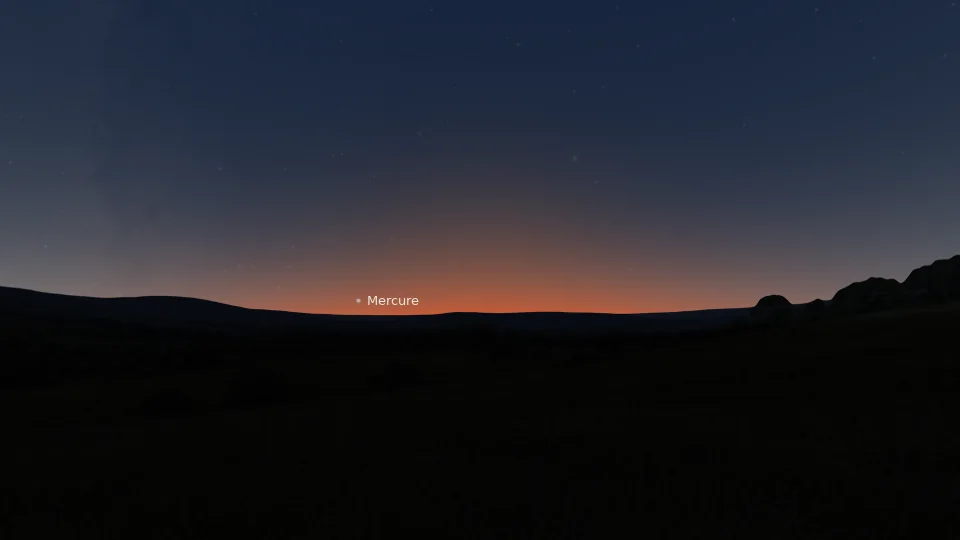
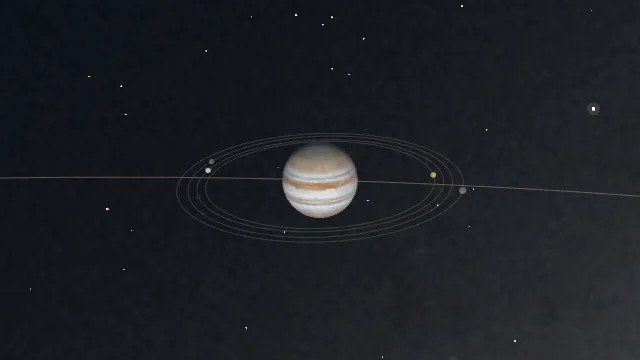
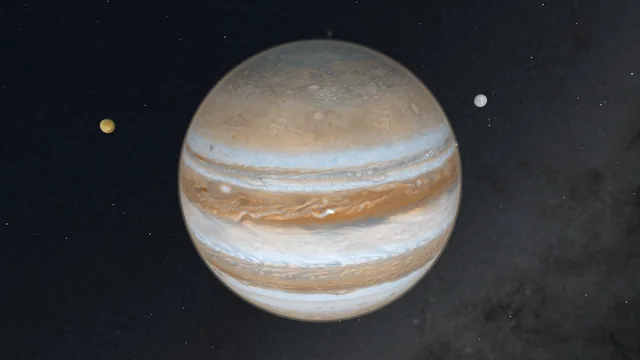
Around Jupiter
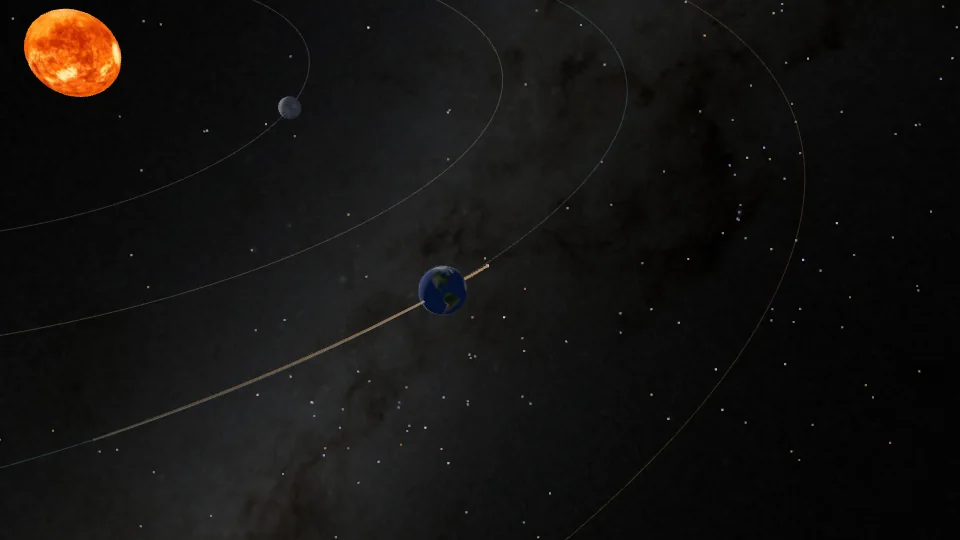
Eyes far from home
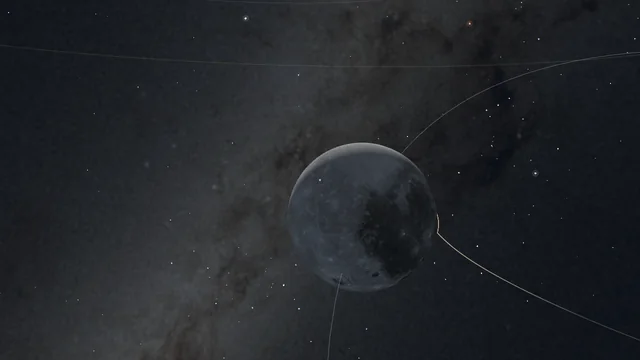
Three missions, three ways to explore
Apollo returns from the Moon, Voyager continues outward and Webb observes near L2: three scientific goals, three ways to use gravity.
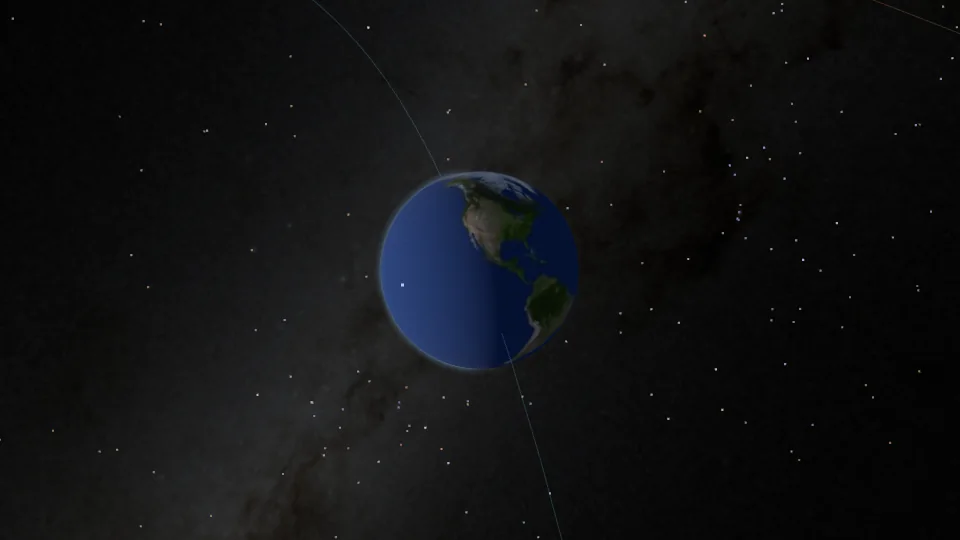
Hubble
A new NASA/JPL trajectory to explore
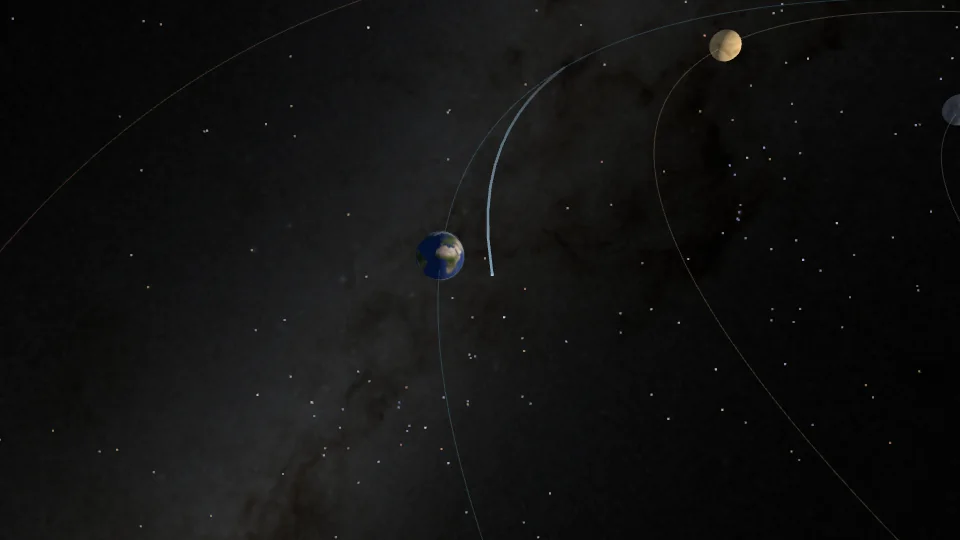
Rosetta–Philae
A new NASA/JPL trajectory to explore
Other neighbourhoods
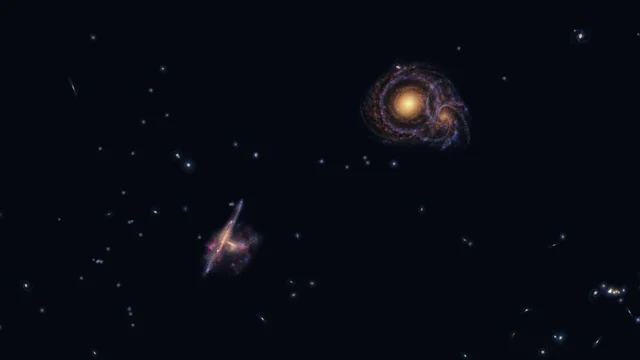
From neighbours to a galaxy map
From Milky Way neighbours to a distant survey: understand what positions reveal and what they do not prove.
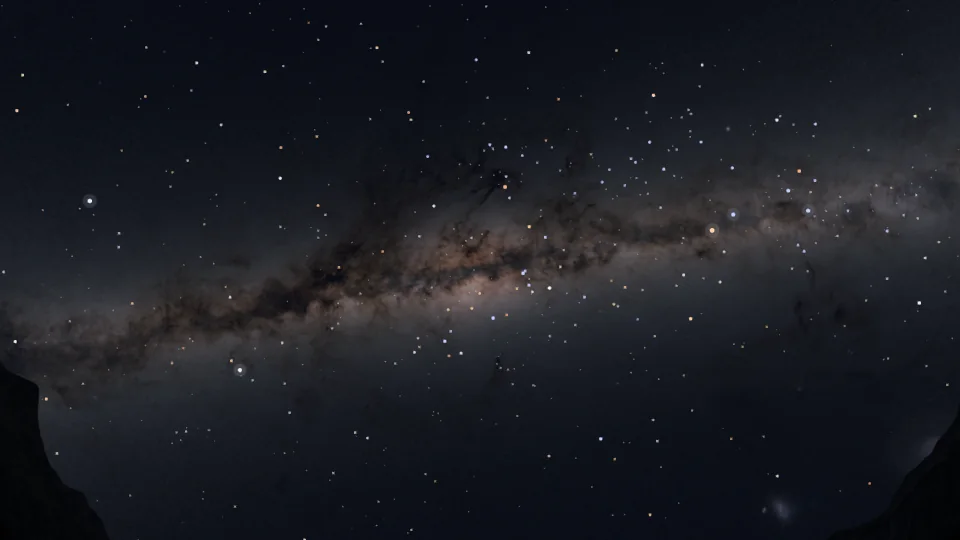
At the heart of the Milky Way
Our galaxy, seen from within.
Travel at 90% of light speed
Aberration, colours and two clocks.
Under another sun
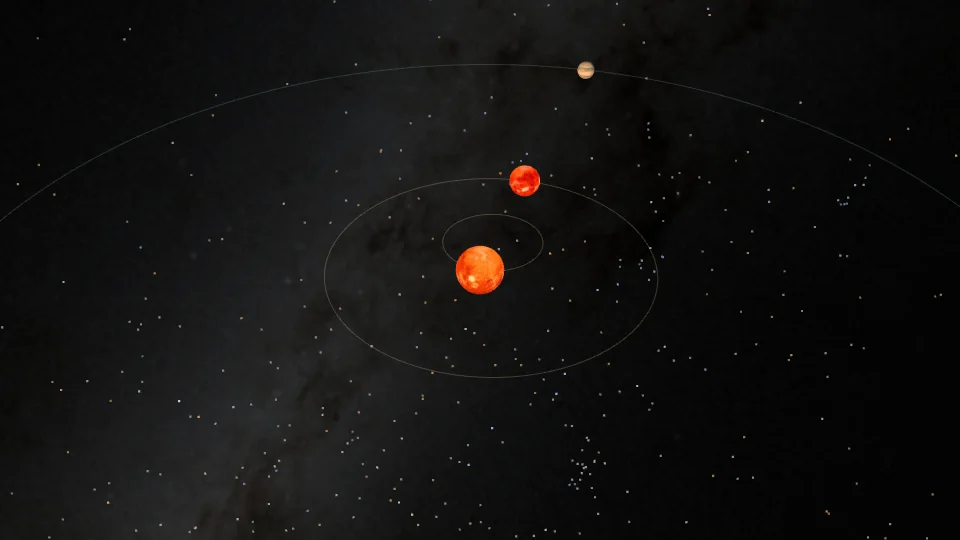
Kepler-16 · Beside star A
Follow one star with its companion in view.
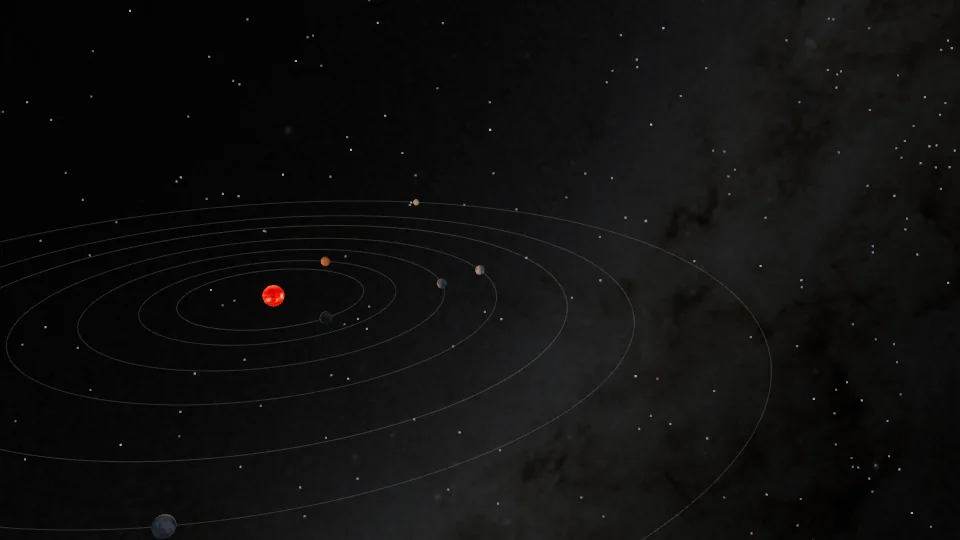
TRAPPIST-1 e · A planet and its star
Follow planet e within its compact system.
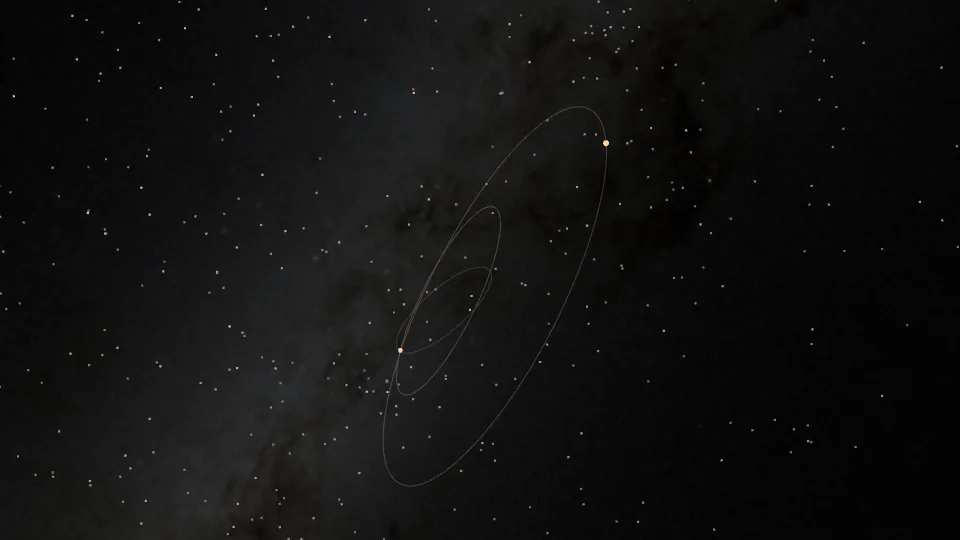
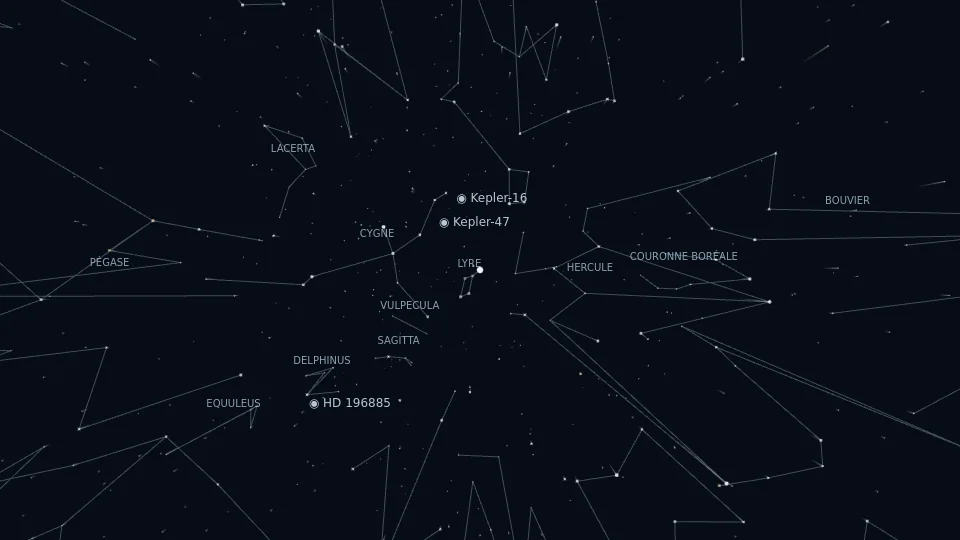
HD 196885 · A planet travels with its star
Giant planet Ab orbits star A, which moves with star B around their centre of mass.
Our star, from elsewhere
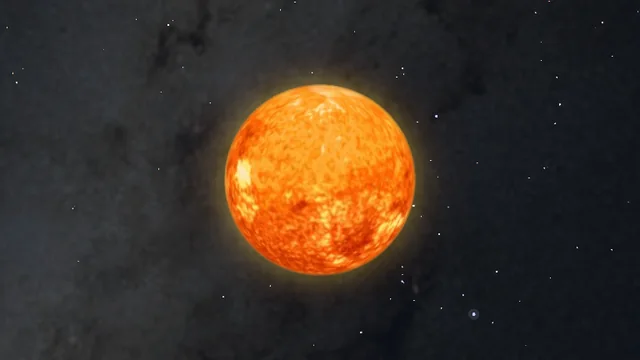
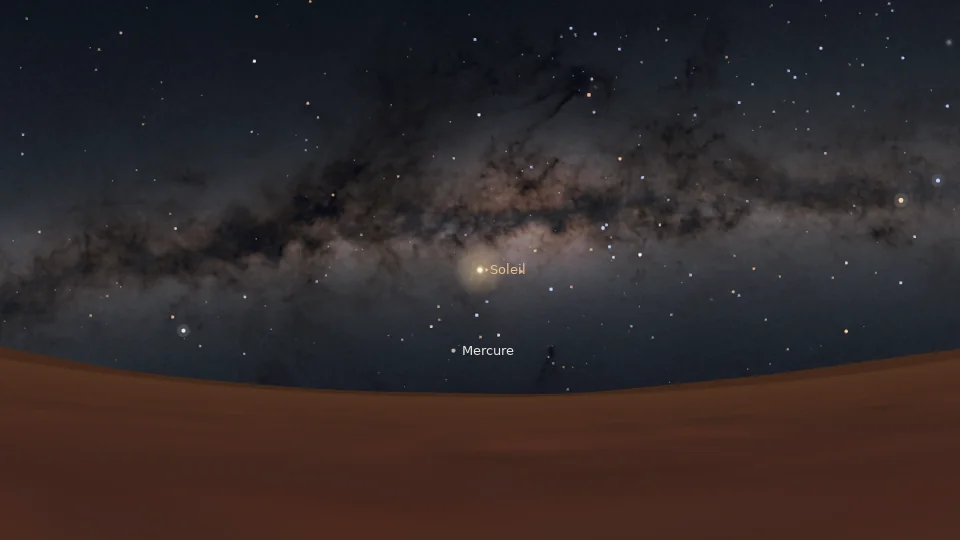
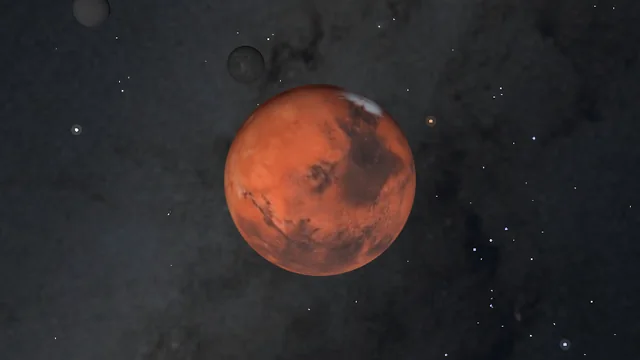
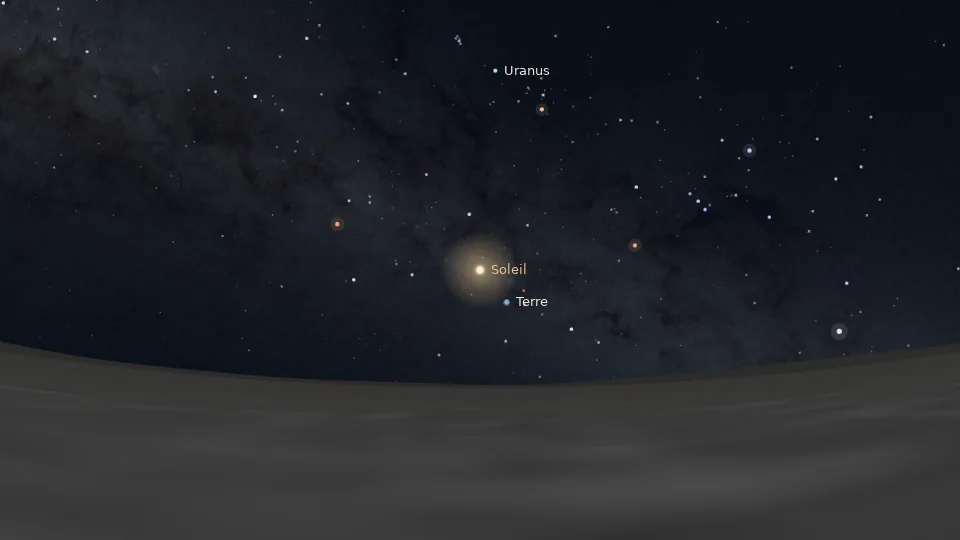
Close to the Sun
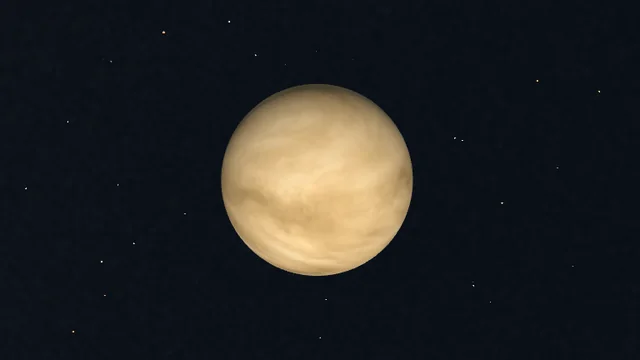
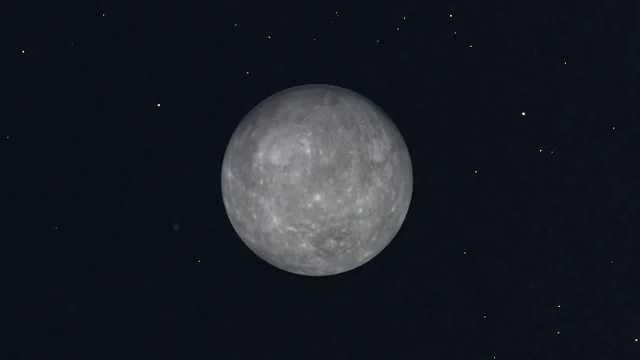
Worlds to explore
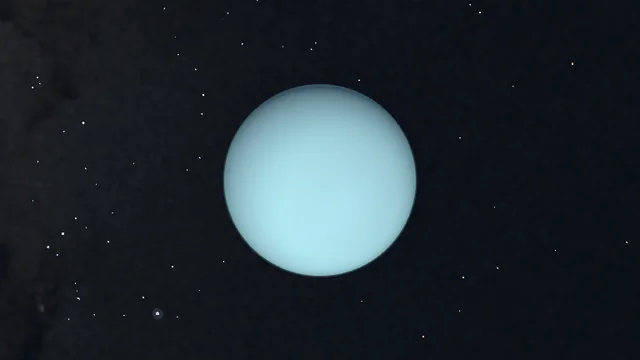
Uranus
An axis very different from ours.
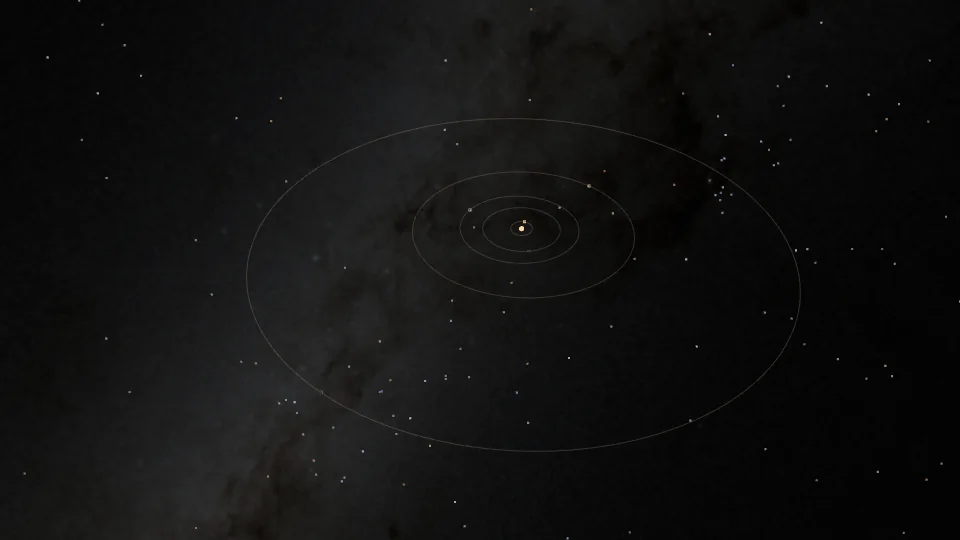
55 Cancri · A magma world
55 Cancri e is a scorching super-Earth. Observations suggest an atmosphere; a magma ocean is plausible.
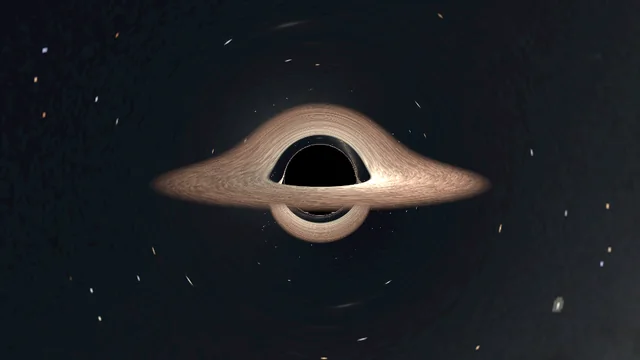
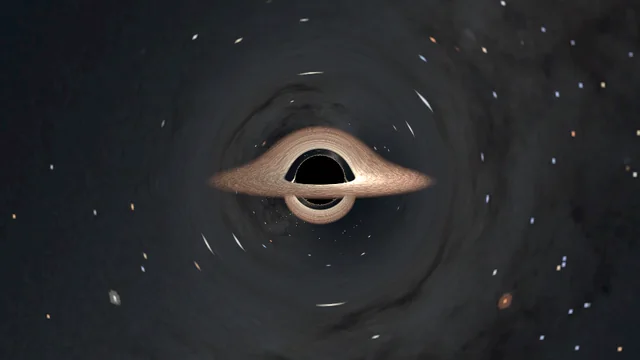
Why does light bend around a black hole?
Gravity bends light from the disk and background. An illustrative model lets us change the angle to understand it.
Finding your eclipse
Travelling in shadow
Earth and its companion
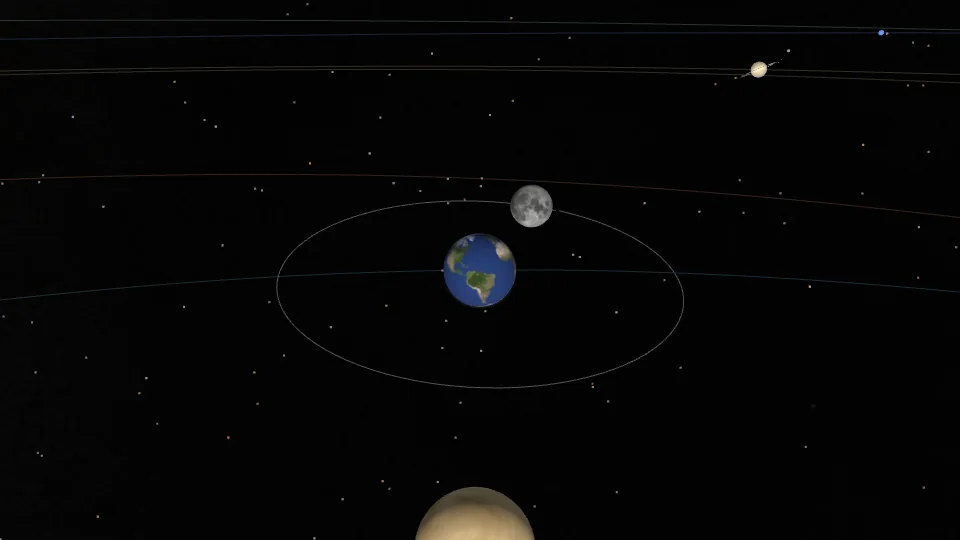
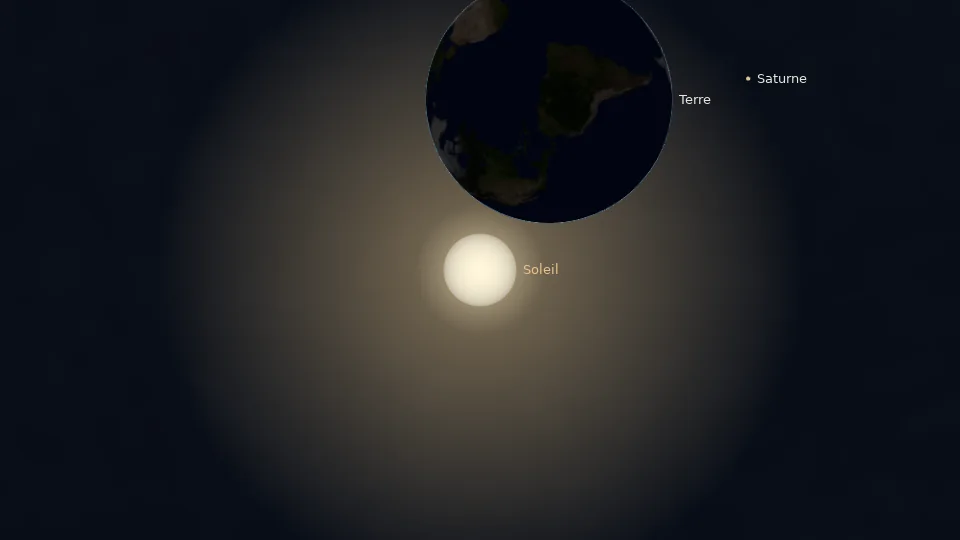
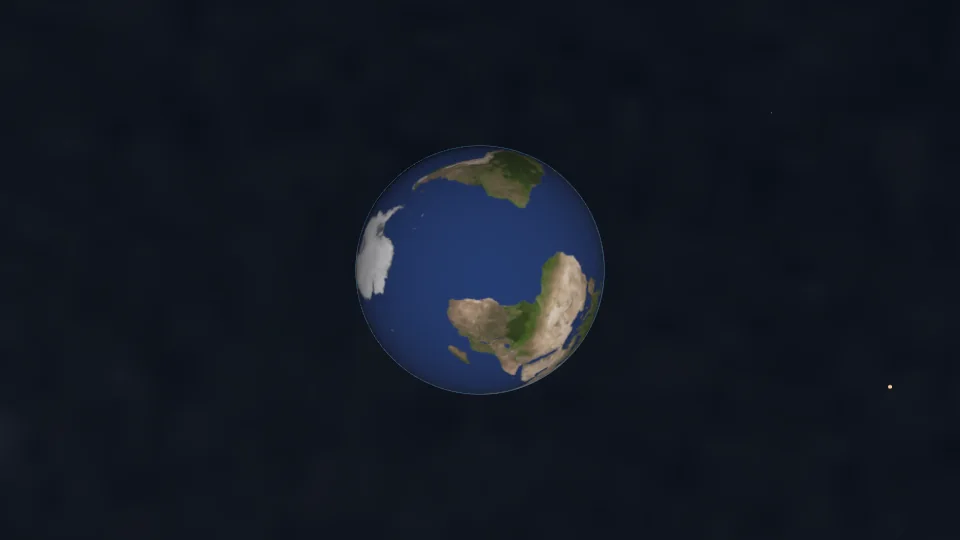
Choosing a trajectory
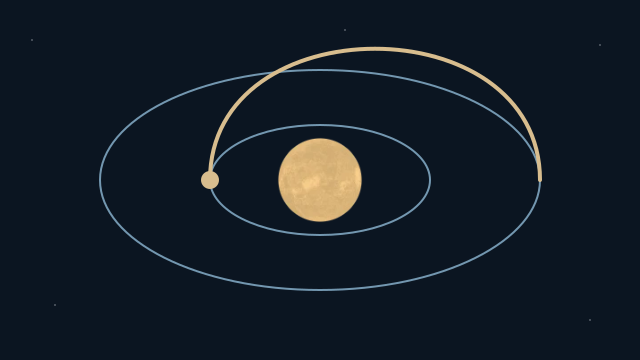
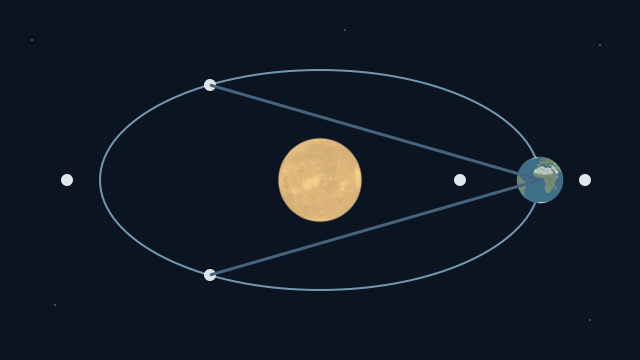
Motion and reference points
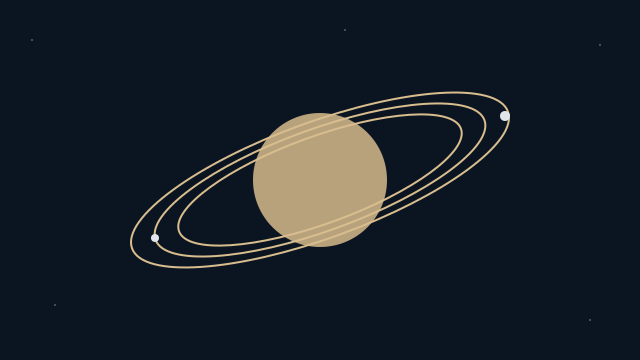
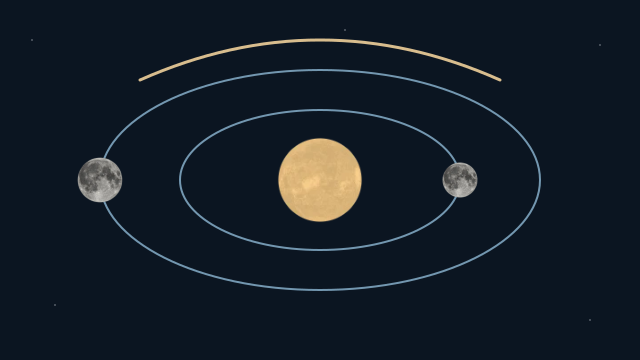
From rings to orbits
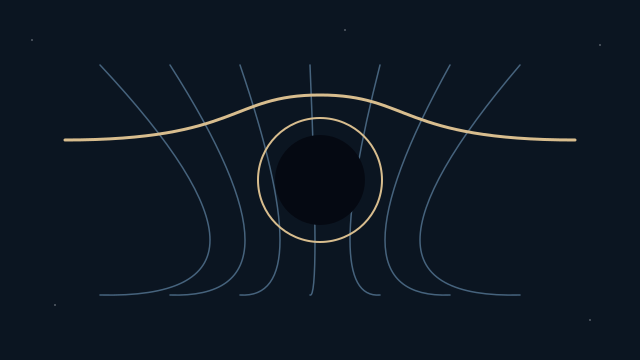
Reading light
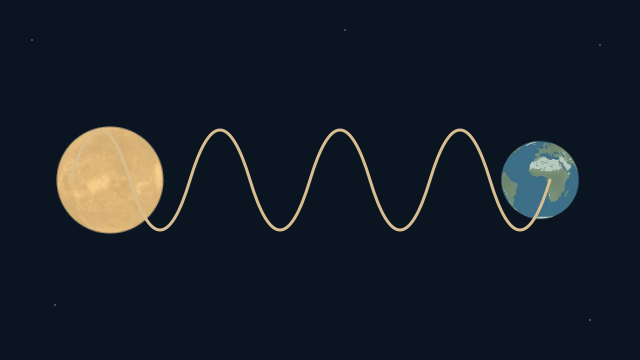
Why worlds orbit
Beyond the giants
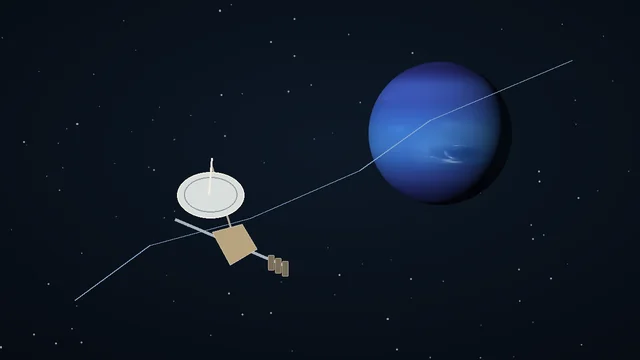
Grains brought back to Earth
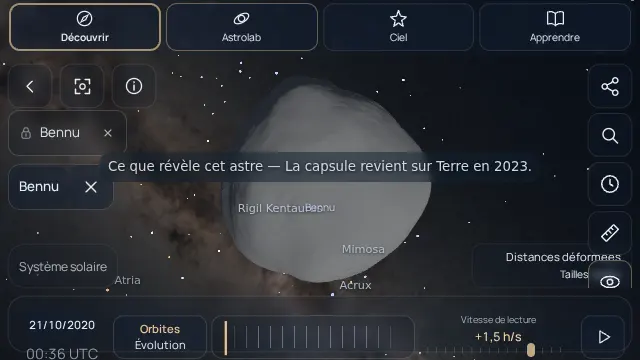
Bennu · seconds to collect billions of years
Bennu preserves ancient Solar System material. OSIRIS-REx travelled there to bring a sample back to Earth.
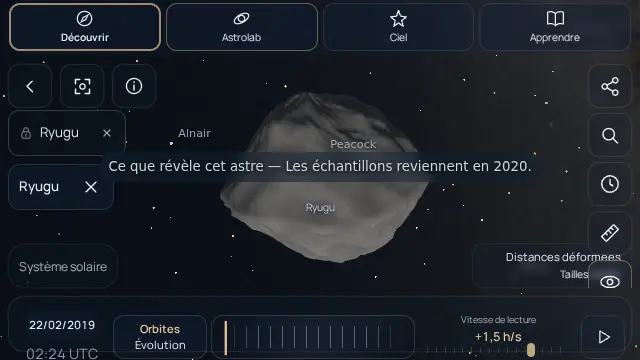
Ryugu · bringing a dark world home
Ryugu resembles a spinning top covered in boulders. Hayabusa2 selects a sampling site amid this rugged surface.
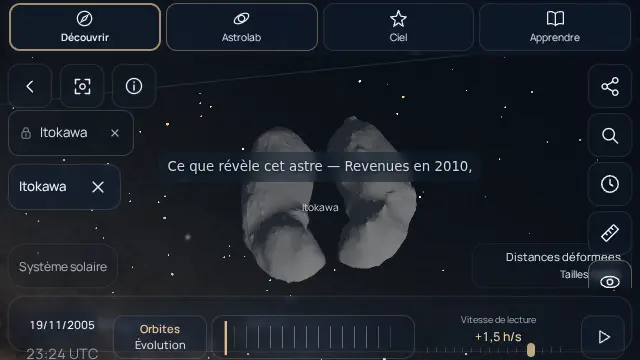
Itokawa · dust connects two worlds
Itokawa is not a monolithic rock: Hayabusa’s observations reveal a collection of debris held together by gravity.
Flying past and touching down
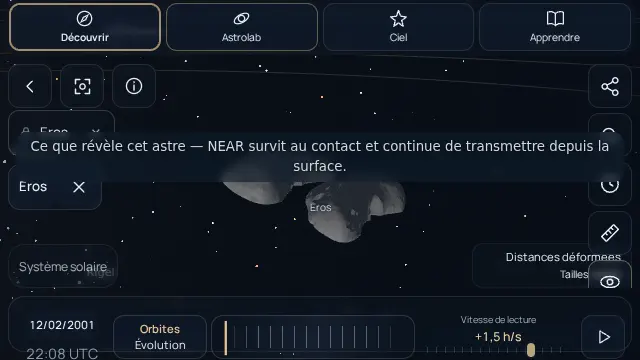
Eros · the orbiter that survived landing
NEAR Shoemaker has orbited Eros since February 2000. The asteroid becomes a landscape of craters, ridges and boulders.
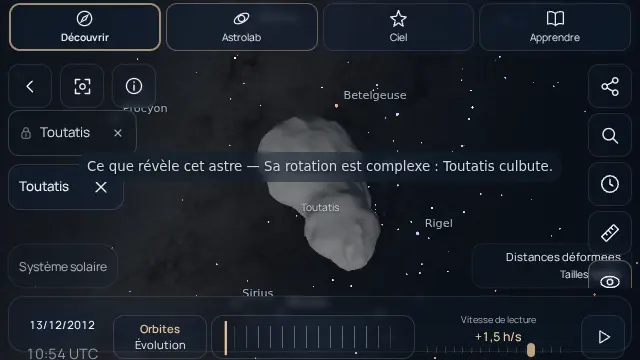
Toutatis · a tumbling world
Toutatis has an elongated, two-lobed shape. Radar observations revealed its form before a spacecraft visited it.
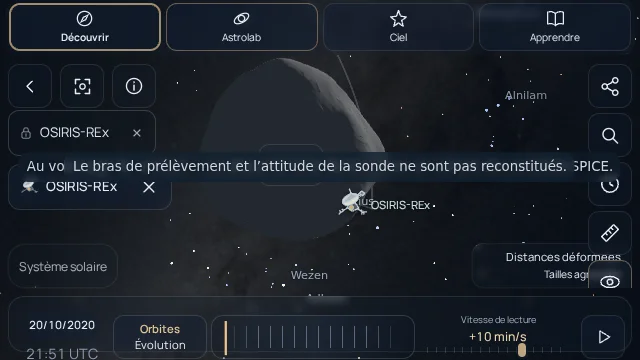
OSIRIS-REx
The descent toward Bennu, using a SPICE archive excerpt. The sampling arm and spacecraft attitude are not reconstructed.
Passages near Earth
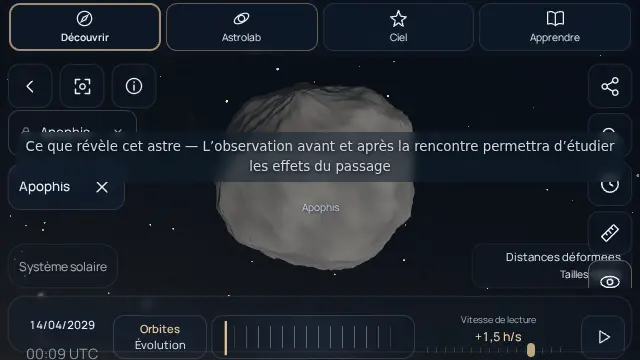
Apophis · Earth bends the route
On 13 April 2029, Apophis is predicted to pass very close to Earth. This sequence is a forecast, not an already observed event.
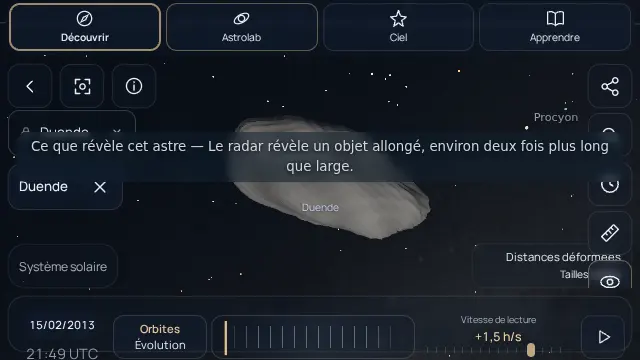
Duende · below geostationary altitude
Duende, then known as 2012 DA14, passes Earth on 15 February 2013. It is a small asteroid only a few tens of metres across.