 AstroLab
ASTROLAB COLLECTIONS
Stars & galaxies
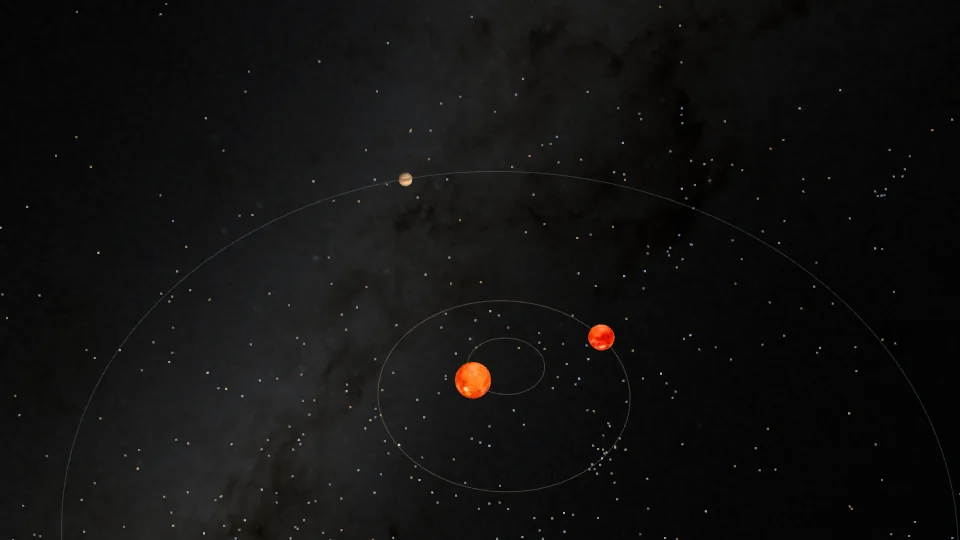
Kepler-16 · Two suns, one planet
A giant planet orbits the centre of mass of two stars.
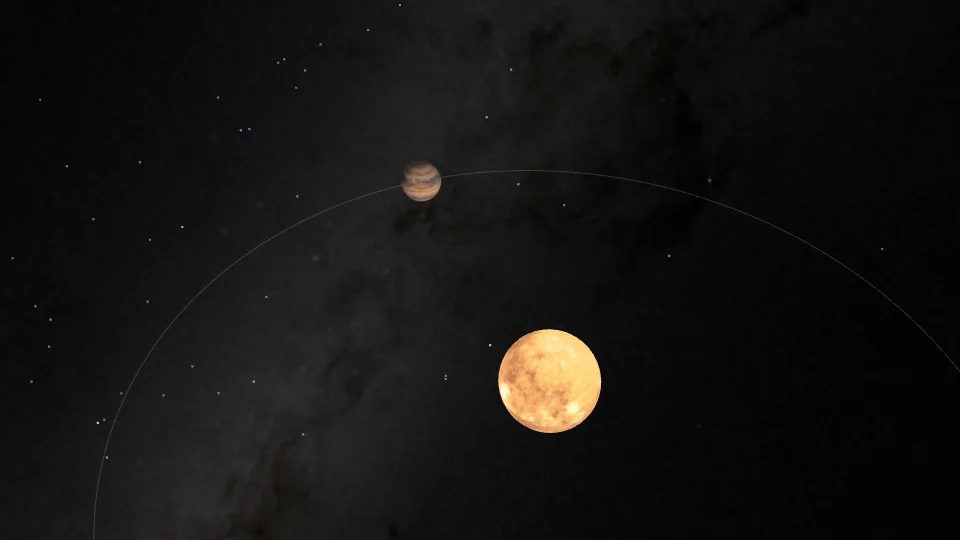
WASP-76 · Iron rain
Gaseous iron is detected. Nightside condensation could produce iron rain: an interpretation, not an observed image.
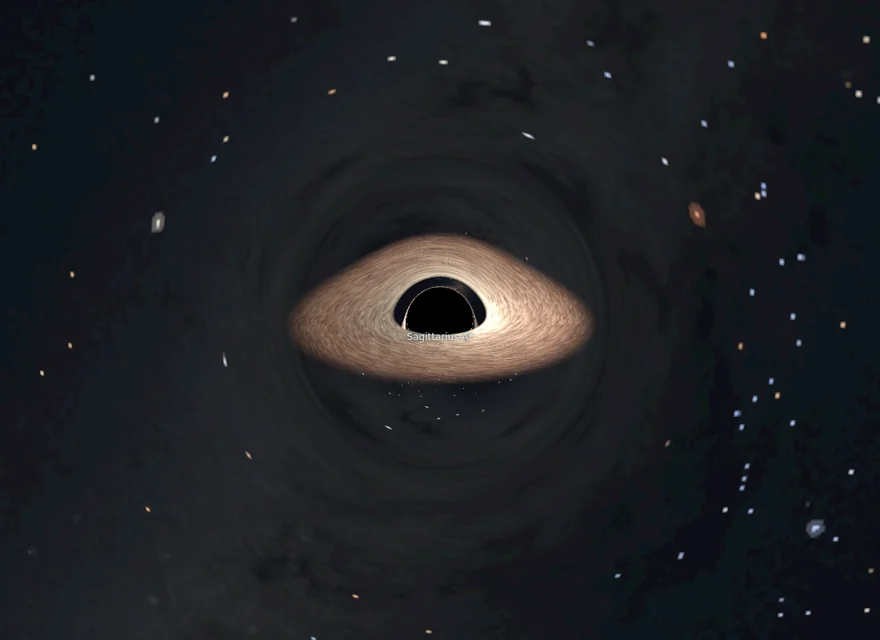
Sagittarius A* · bent light
A black hole to explore from every angle
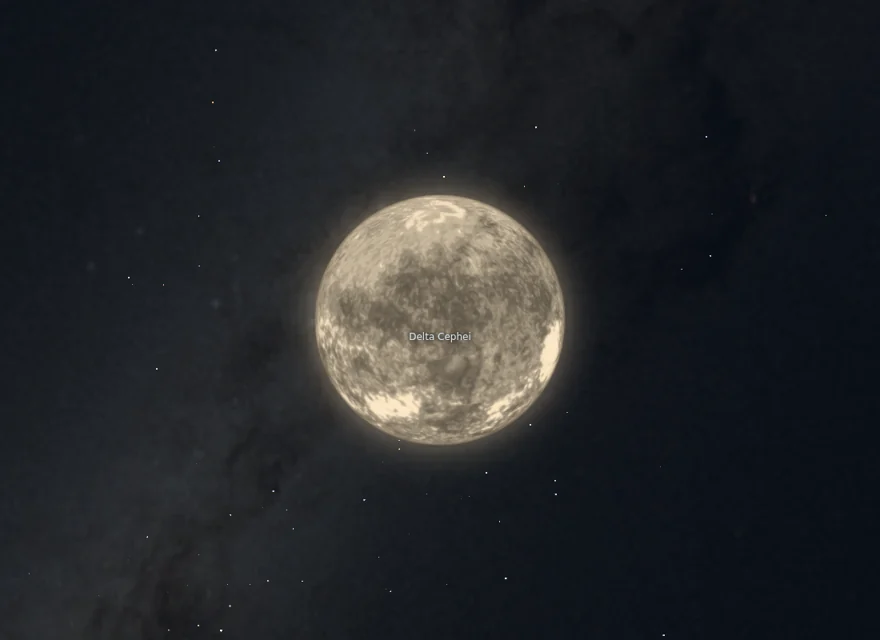
Delta Cephei · a variable star
A 5.3661-day pulsation replayed from Hipparcos measurements.
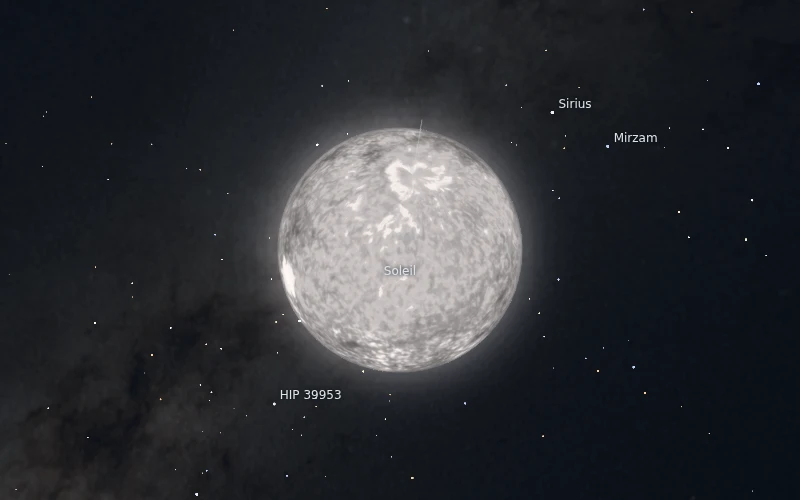
The life of the Sun
From protostar to white dwarf: explore a stellar model.
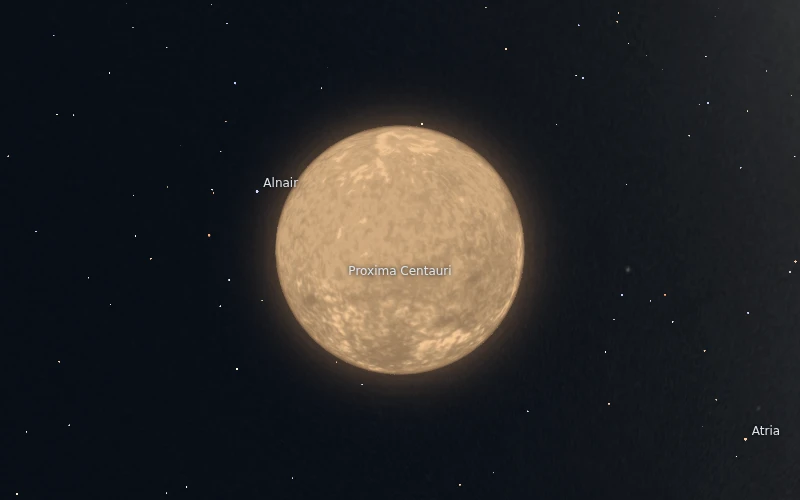
Proxima, a long life
Why a small star can shine for so long.
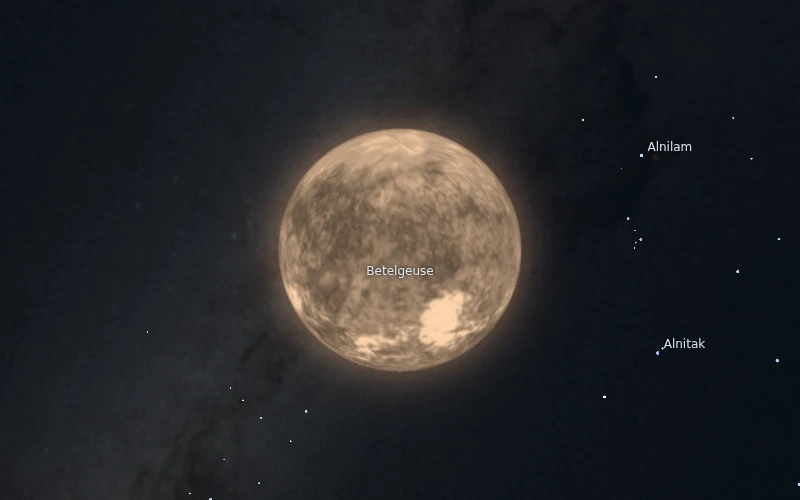
Betelgeuse and the supernova
A real star, an explosion scenario to understand.
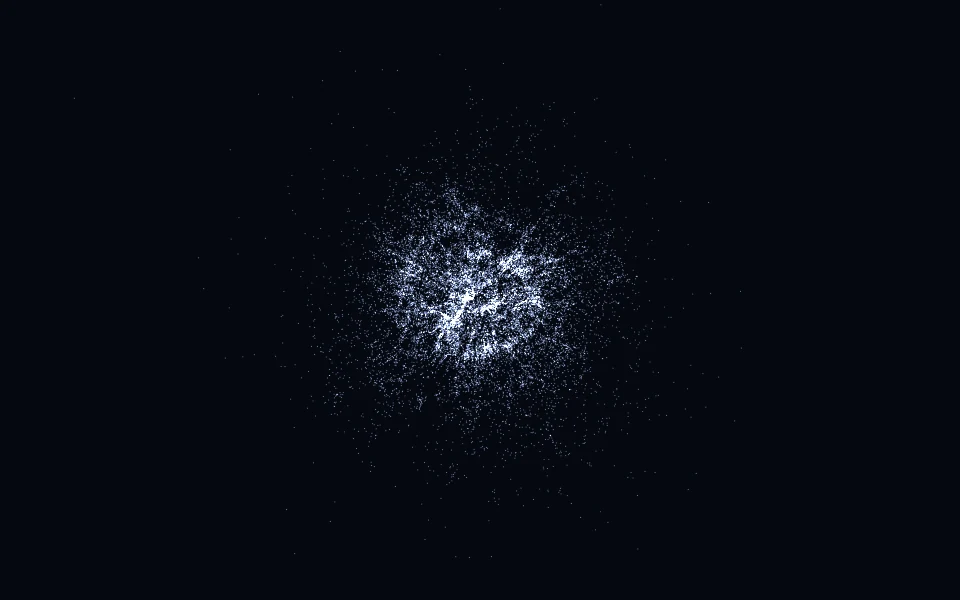
The expanding Universe
An explorable journey from 10 million to 25 billion years.
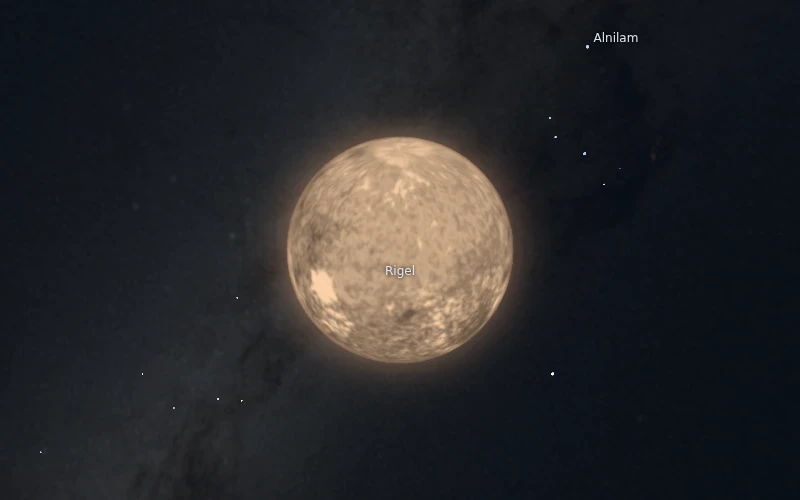
Rigel and stellar collapse
Understand one possible route to a black hole.
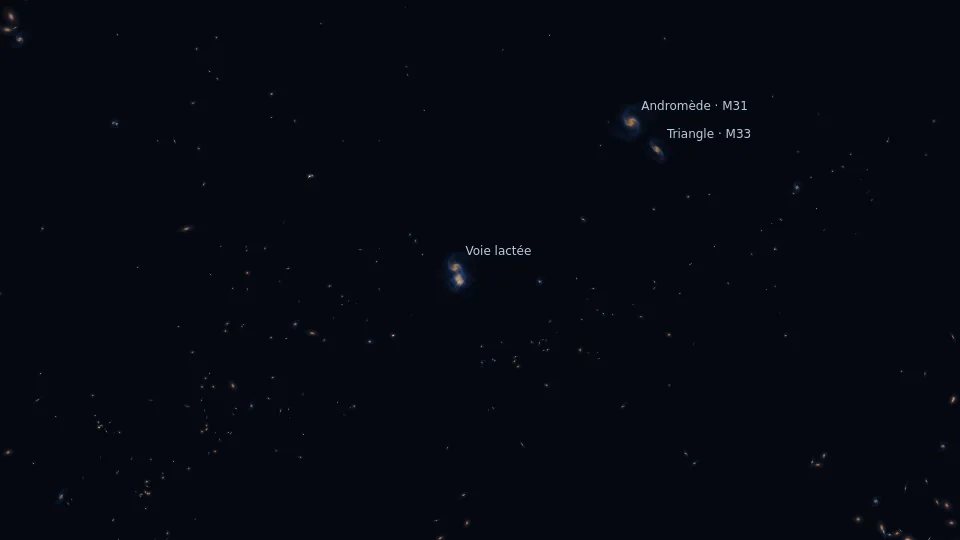
Among twenty thousand galaxies
A 3D map of the 2MRS survey and an expansion model.
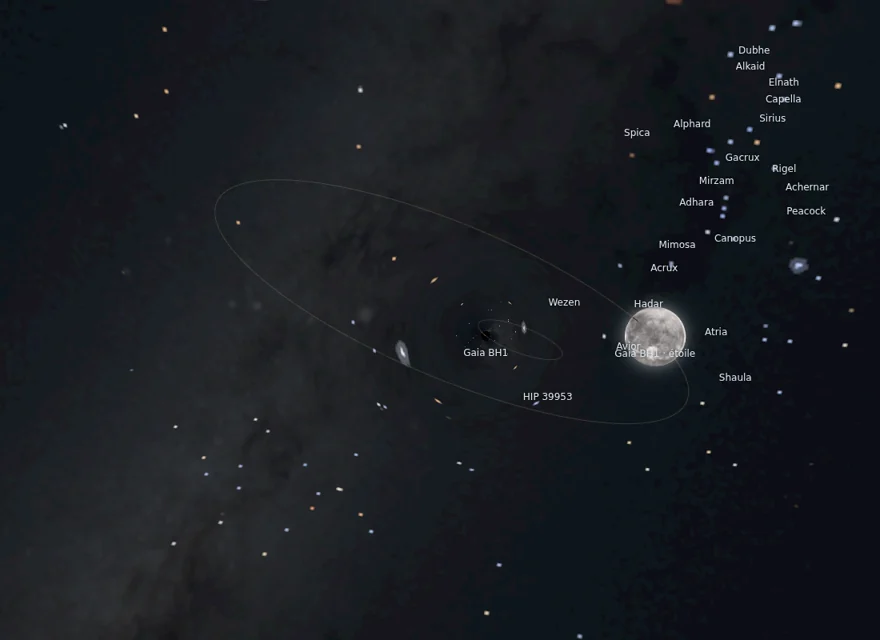
Gaia BH1 · an invisible companion
A star and a black hole orbit their common centre of mass.
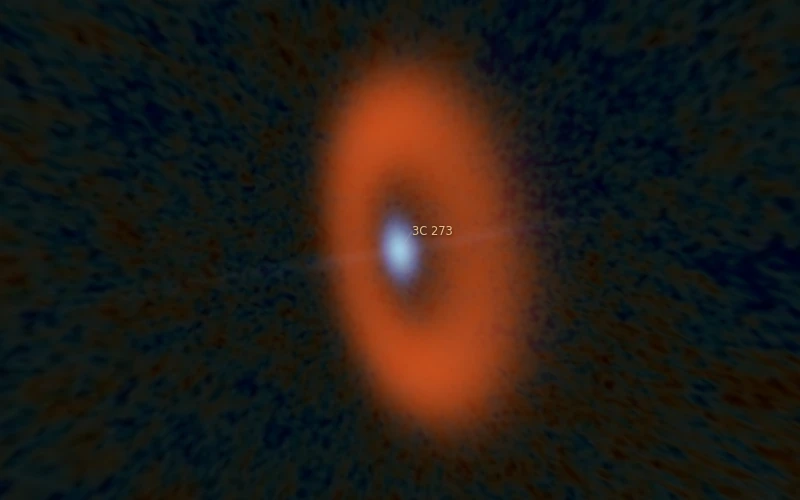
3C 273 · an active nucleus
A quasar, not a star.
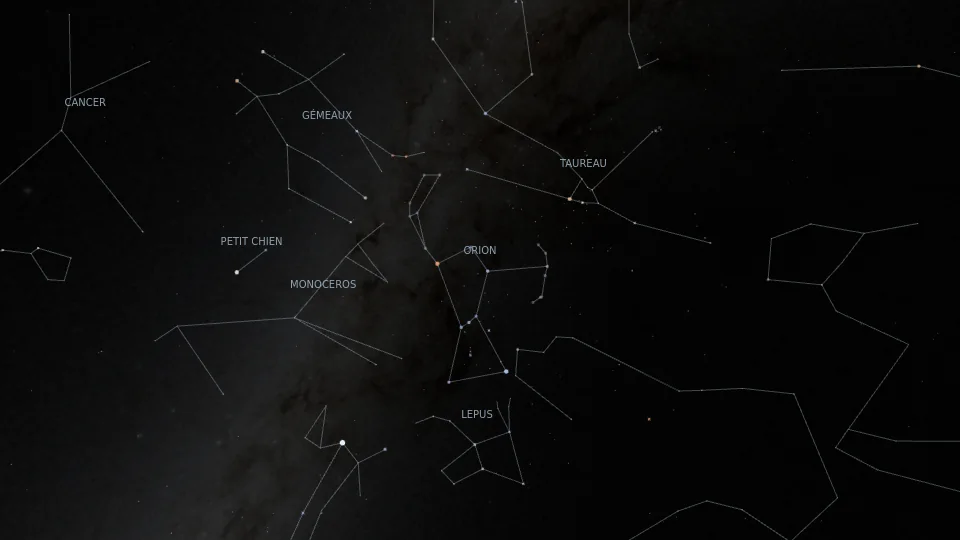
Behind Orion’s outline
Move sideways with the wheel and watch the outline change.
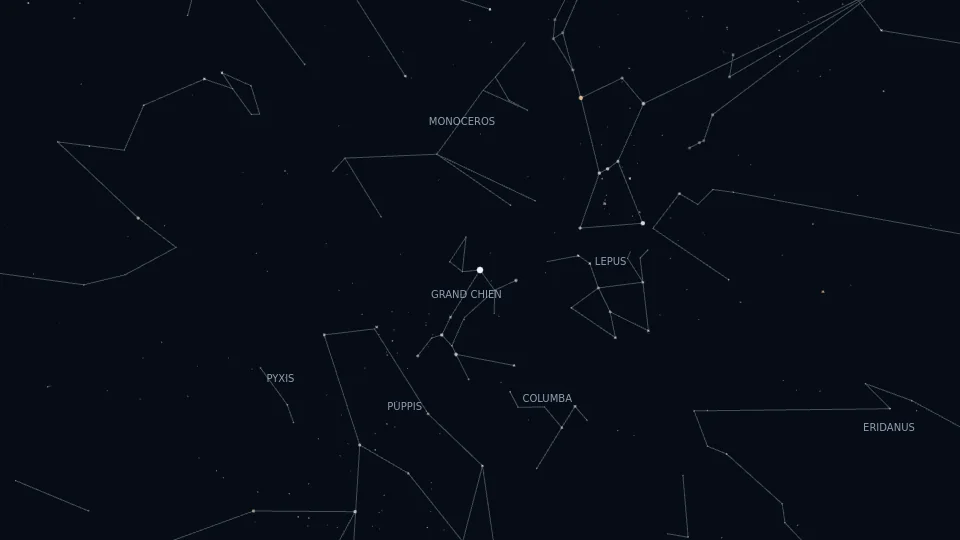
Find the Sun from Sirius
A short journey, then a turn back towards our star.
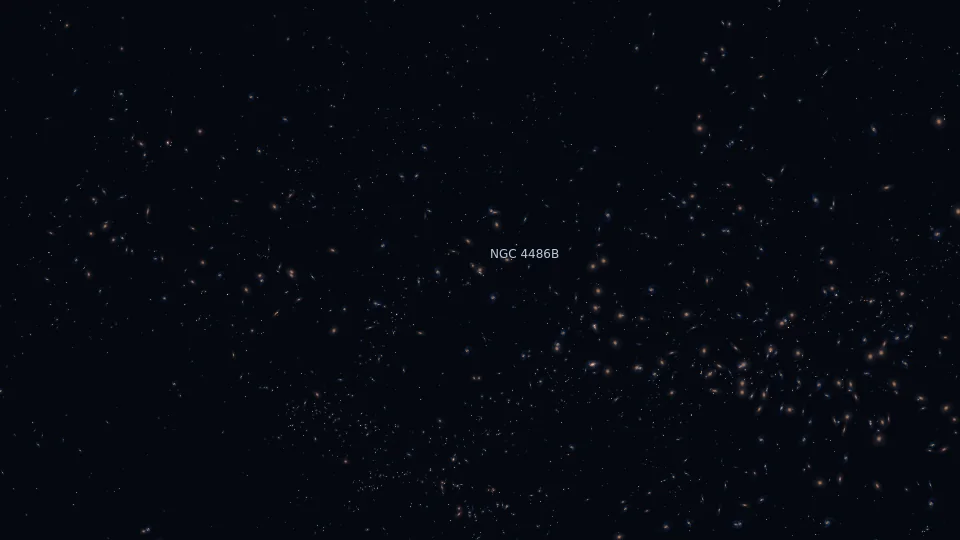
Around NGC 4486B · A galaxy field
Explore a region of the 2MRS survey.
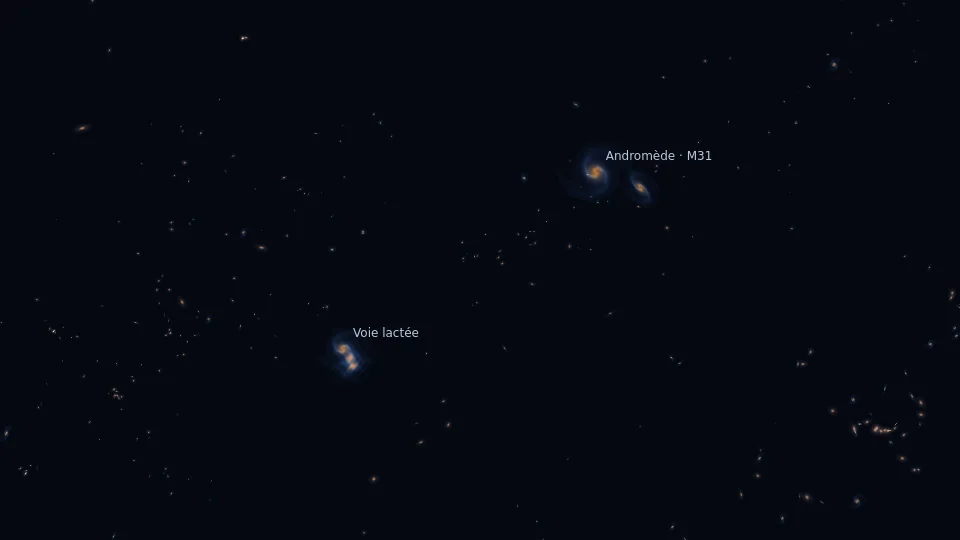
The Local Group · Five landmarks
The Milky Way, Andromeda, Triangulum and the Magellanic Clouds.
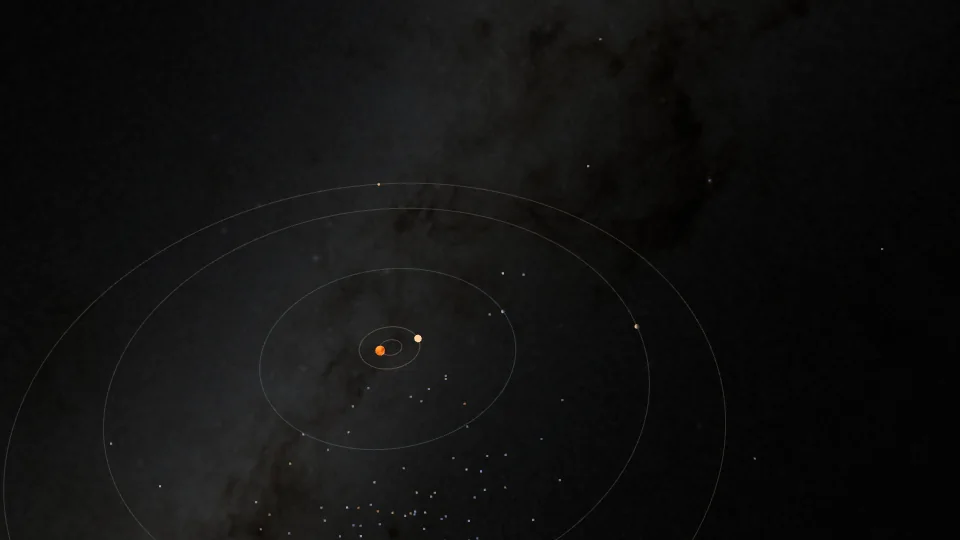
Kepler-47 · Three worlds, two suns
Planets b, d and c surround the binary stars.
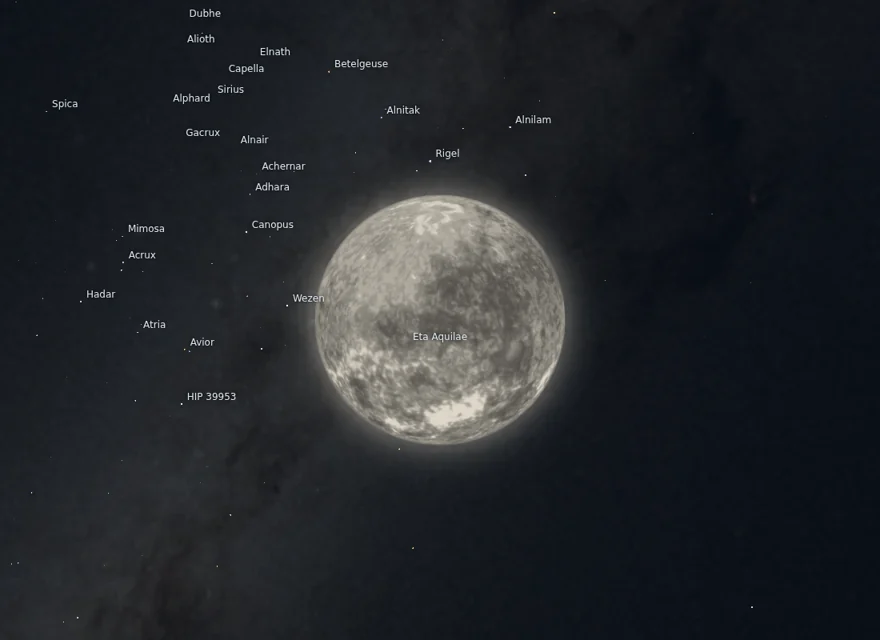
Eta Aquilae · a variable star
A 7.1778-day pulsation replayed from Hipparcos measurements.
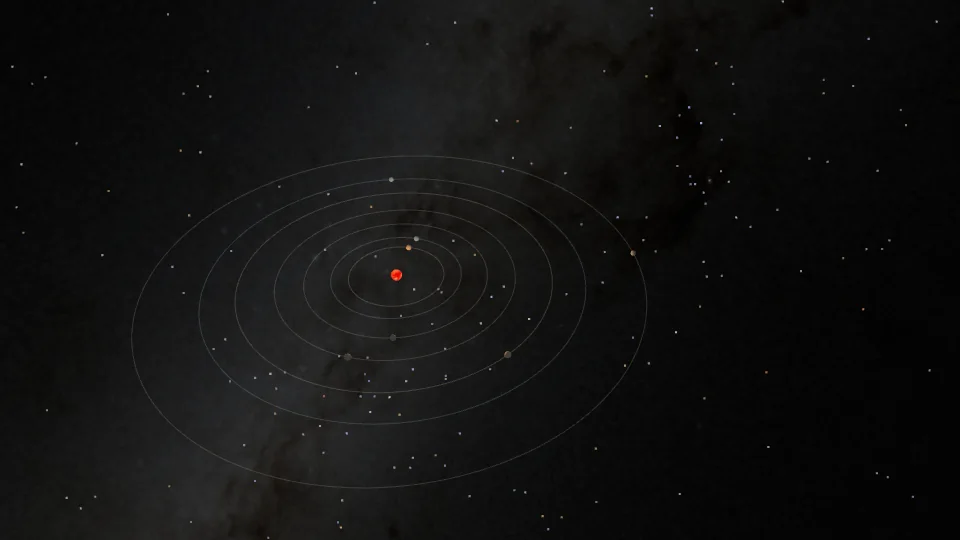
TRAPPIST-1 · Seven rocky worlds
Seven Earth-sized planets within an orbit smaller than Mercury’s. Atmospheres and landscapes remain uncertain.
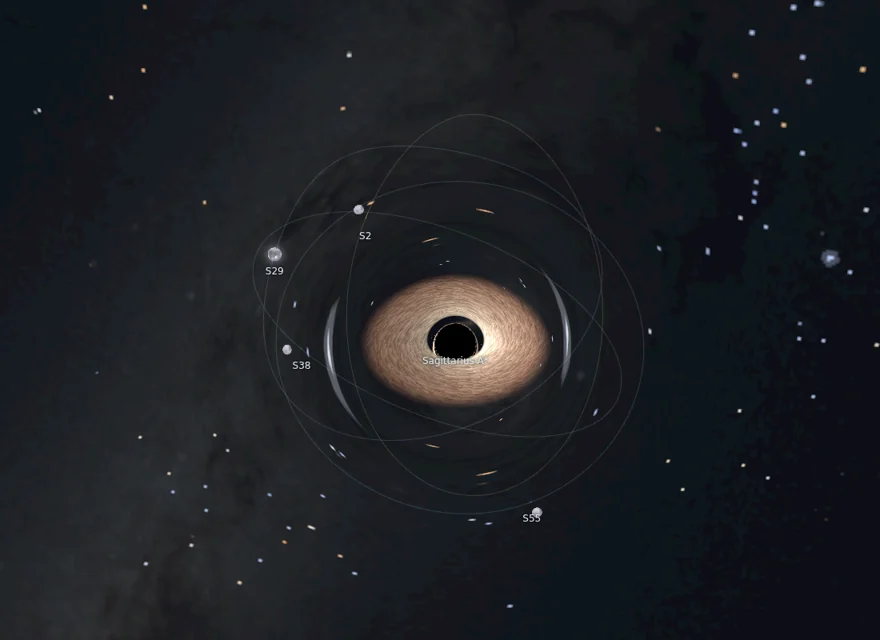
Sagittarius A* · orbiting stars
Four stars reveal our galaxy’s central black hole.
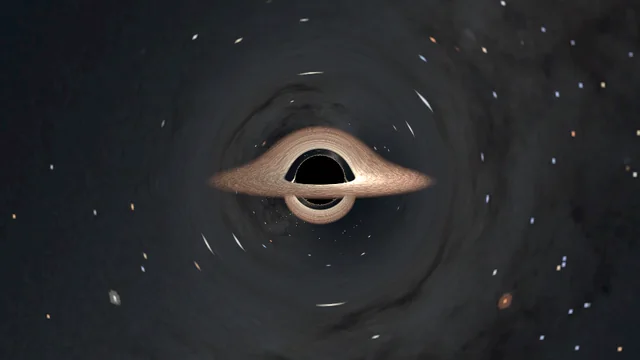
M87* · bent light
A black hole to explore from every angle
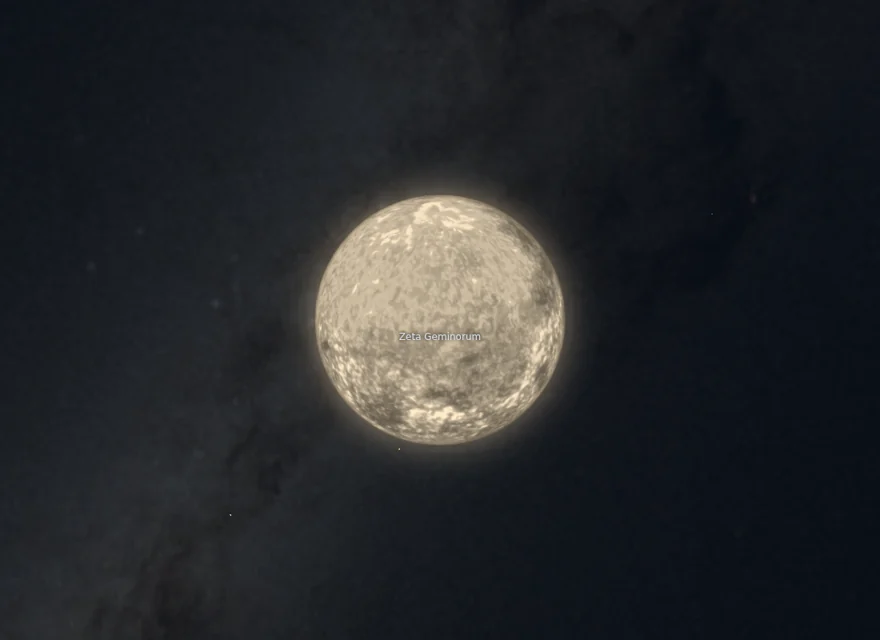
Zeta Geminorum · a variable star
A 10.1509-day pulsation replayed from Hipparcos measurements.
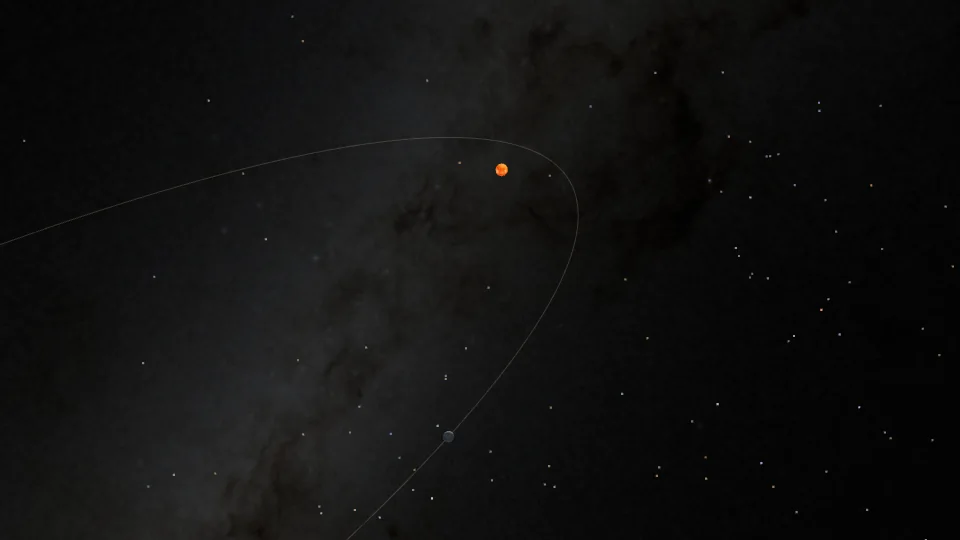
HD 80606 · An extreme orbit
The planet accelerates strongly near its star on an orbit with eccentricity 0.93.
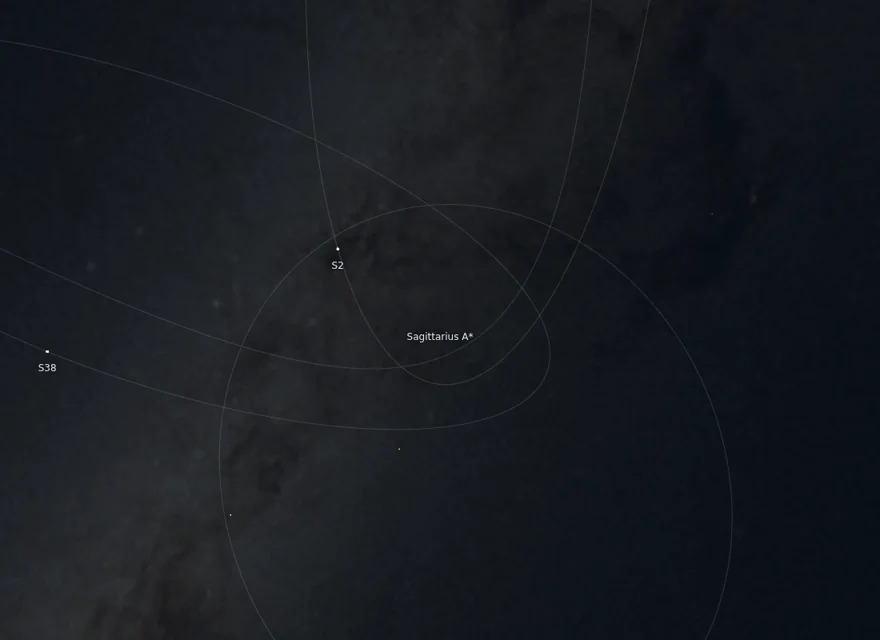
S2 · close to Sagittarius A*
Follow the 2018 periapsis passage.
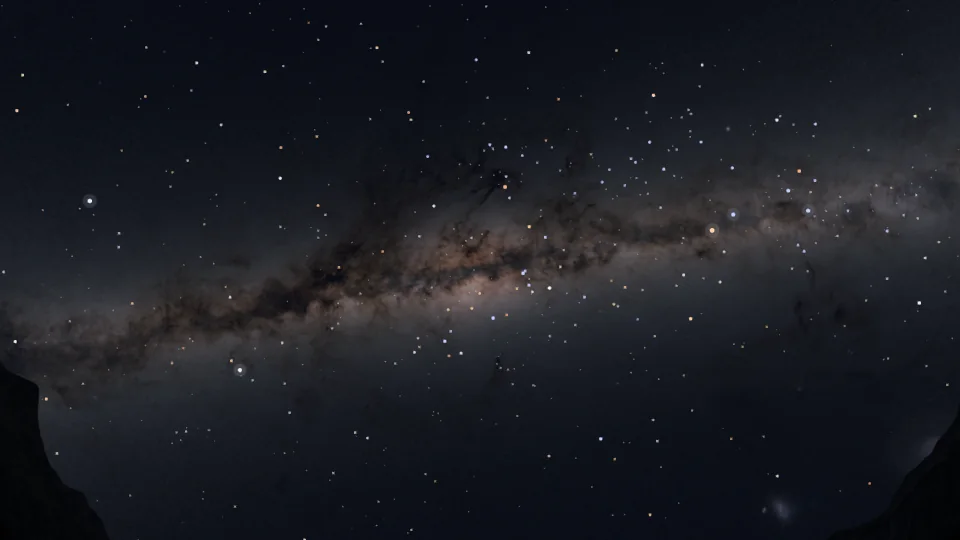
At the heart of the Milky Way
Our galaxy, seen from within.
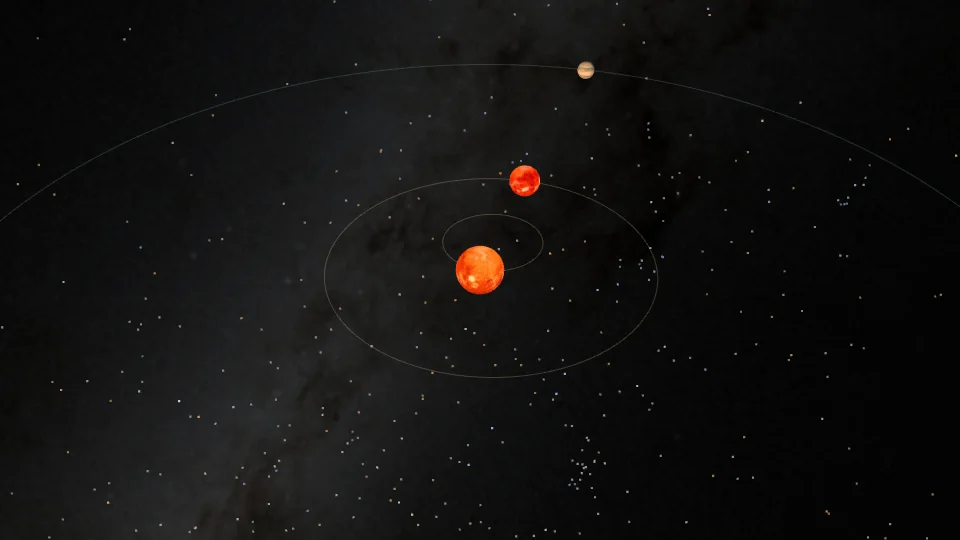
Kepler-16 · Beside star A
Follow one star with its companion in view.
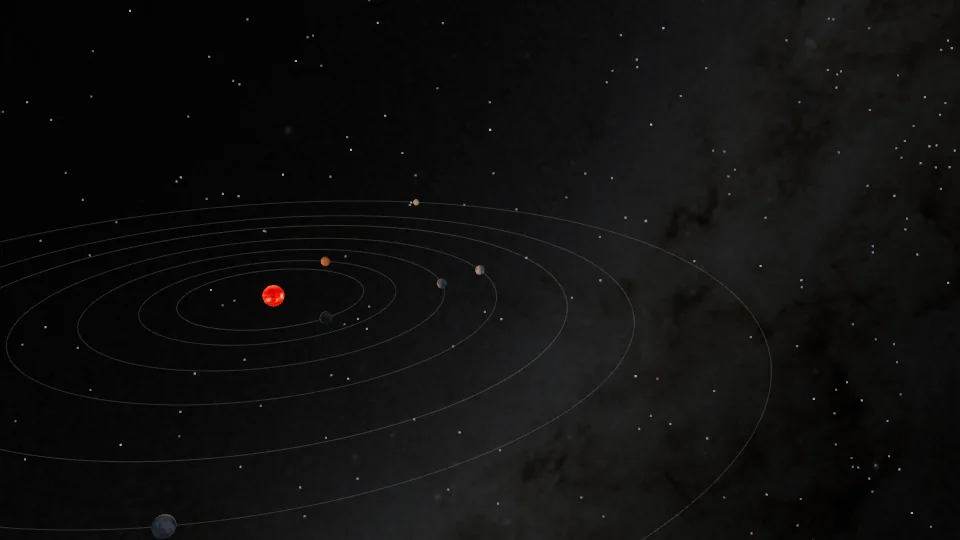
TRAPPIST-1 e · A planet and its star
Follow planet e within its compact system.
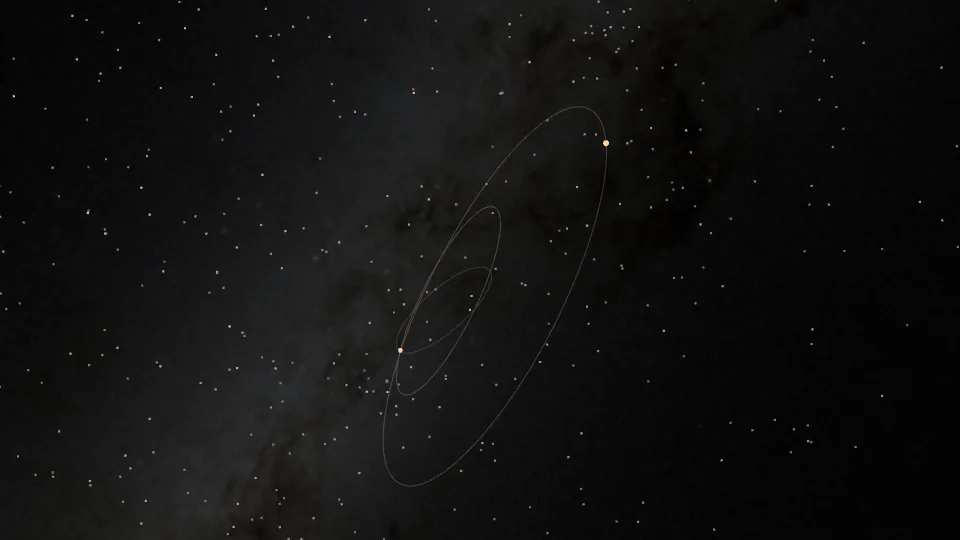
HD 196885 · A planet travels with its star
Giant planet Ab orbits star A, which moves with star B around their centre of mass.
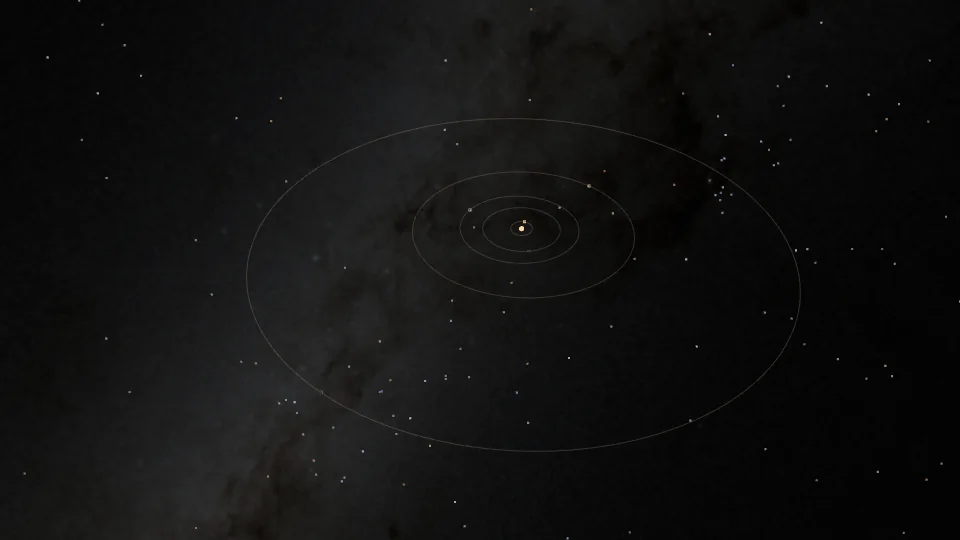
55 Cancri · A magma world
55 Cancri e is a scorching super-Earth. Observations suggest an atmosphere; a magma ocean is plausible.